
Top Stories
RTÉ Shows Resilience Amid Challenges with Eurovision Boycott

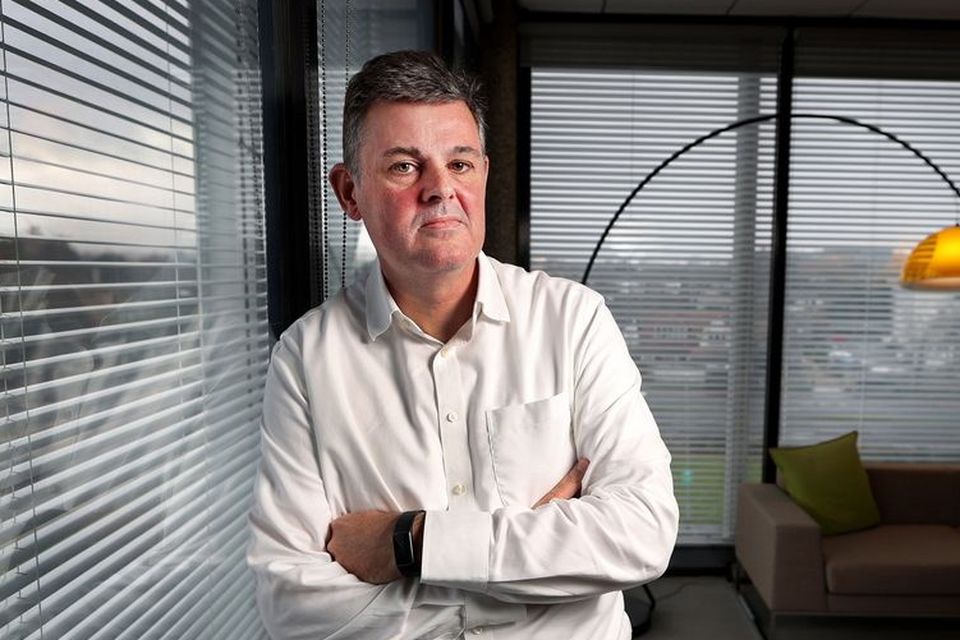
In a significant move, RTÉ, Ireland’s public broadcaster, has decided to boycott the upcoming Eurovision Song Contest, a decision that has sparked discussion about the organization’s current state and future direction. This announcement comes amid ongoing challenges for RTÉ, which has faced criticism regarding its management and financial stability.
RTÉ’s Resilience and Familiar Faces
Despite the hurdles, RTÉ appears to be demonstrating a renewed sense of purpose. The broadcaster recently unveiled its new presenter line-up, which features many of its well-known faces, including David McCullagh, Miriam O’Callaghan, Rachael English, and Brendan O’Connor. This strategic move aims to retain audience trust and comfort, as it continues to navigate a tumultuous period.
The decision to maintain familiar presenters is intended to reassure the public during a time when RTÉ is grappling with its identity and operational challenges. Although the broadcaster is not yet out of the woods, the latest developments suggest a willingness to adapt and evolve in the face of adversity.
While RTÉ’s decision to abstain from Eurovision may seem drastic, it reflects a deeper commitment to addressing its internal issues. By prioritizing a boycott, RTÉ is taking a stand on matters it deems important, potentially signaling a shift towards a more principled approach in its programming and public representation.
The Broader Context of the Boycott
The Eurovision Song Contest, set to take place on May 11, 2024, has been a staple in international music culture, attracting millions of viewers annually. RTÉ’s choice to refrain from participating could be seen as a way to draw attention to pressing concerns regarding the festival’s organization and its implications for national representation.
As RTÉ navigates its current challenges, the broadcaster’s actions are closely monitored by the public and media alike. The ongoing discourse surrounding its decisions is indicative of a larger conversation about the role of public broadcasting in contemporary society and the expectations that audiences have of these institutions.
In conclusion, while RTÉ is still in a phase of recovery, its recent choices suggest a commitment to maintaining its core values and addressing the issues at hand. Whether this path will lead to a full resurgence remains to be seen, but the signs indicate a willingness to confront challenges head-on.

Kyle McBride Clinches Billy Coleman Award Amid Stellar 2025

Chelsea’s Unbeaten Streak Ends as Everton Shocks with 1-0 Victory

Netanyahu to Meet Trump to Advance Gaza Peace Plan

Russia Embraces US National Security Strategy in Historic Shift

Over 43,000 Individuals Benefit from New Jobseeker Payment Scheme

Ryan Tubridy’s Wedding Rumours Heat Up at Abbeyglen Castle

Infant Boy in Critical Condition After Dundalk Car Crash

Power Outage Affects 1,500+ Properties in Killybegs NOW

Cliona Hagan Set to Dazzle as Fairy Godmother in Limerick Panto

Tributes Surge for 9-Year-Old Leon Briody After Cancer Battle

Aimee Osbourne Joins Family for Emotional Tribute to Ozzy

Danny Healy-Rae Considers Complaint After Altercation with Garda

Ireland Enjoys Summer Heat as Hurricane Erin Approaches Atlantic

Hawaii Commemorates 80 Years Since Hiroshima Bombing with Ceremony

Newcastle West Woman Patricia Foley Found Safe After Urgent Search

Fianna Fáil TDs Urgently Consider Maire Geoghegan-Quinn for Presidency

Couple Convicted of Murdering Two-Year-Old Grandson in Wales

Gaza Aid Distribution Tragedy: 20 Killed Amid Ongoing Violence
-
 Top Stories3 months ago
Tributes Surge for 9-Year-Old Leon Briody After Cancer Battle
-
 Entertainment4 months ago
Aimee Osbourne Joins Family for Emotional Tribute to Ozzy
-
 Politics4 months ago
Danny Healy-Rae Considers Complaint After Altercation with Garda
-
 Top Stories4 months ago
Ireland Enjoys Summer Heat as Hurricane Erin Approaches Atlantic
-
 World5 months ago
Hawaii Commemorates 80 Years Since Hiroshima Bombing with Ceremony
-
 Top Stories3 months ago
Newcastle West Woman Patricia Foley Found Safe After Urgent Search
-
 Top Stories5 months ago
Fianna Fáil TDs Urgently Consider Maire Geoghegan-Quinn for Presidency
-
 World5 months ago
Couple Convicted of Murdering Two-Year-Old Grandson in Wales
-
 World5 months ago
Gaza Aid Distribution Tragedy: 20 Killed Amid Ongoing Violence
-

 World5 months ago
Aristocrat Constance Marten and Partner Convicted of Infant Murder
-

 Top Stories4 months ago
Climbing Errigal: A Must-Do Summer Adventure in Donegal
-

 Top Stories4 months ago
Hike Donegal’s Errigal Mountain NOW for Unforgettable Summer Views