
Business
EU Faces Challenges in Achieving Ambitious Hydrogen Goals

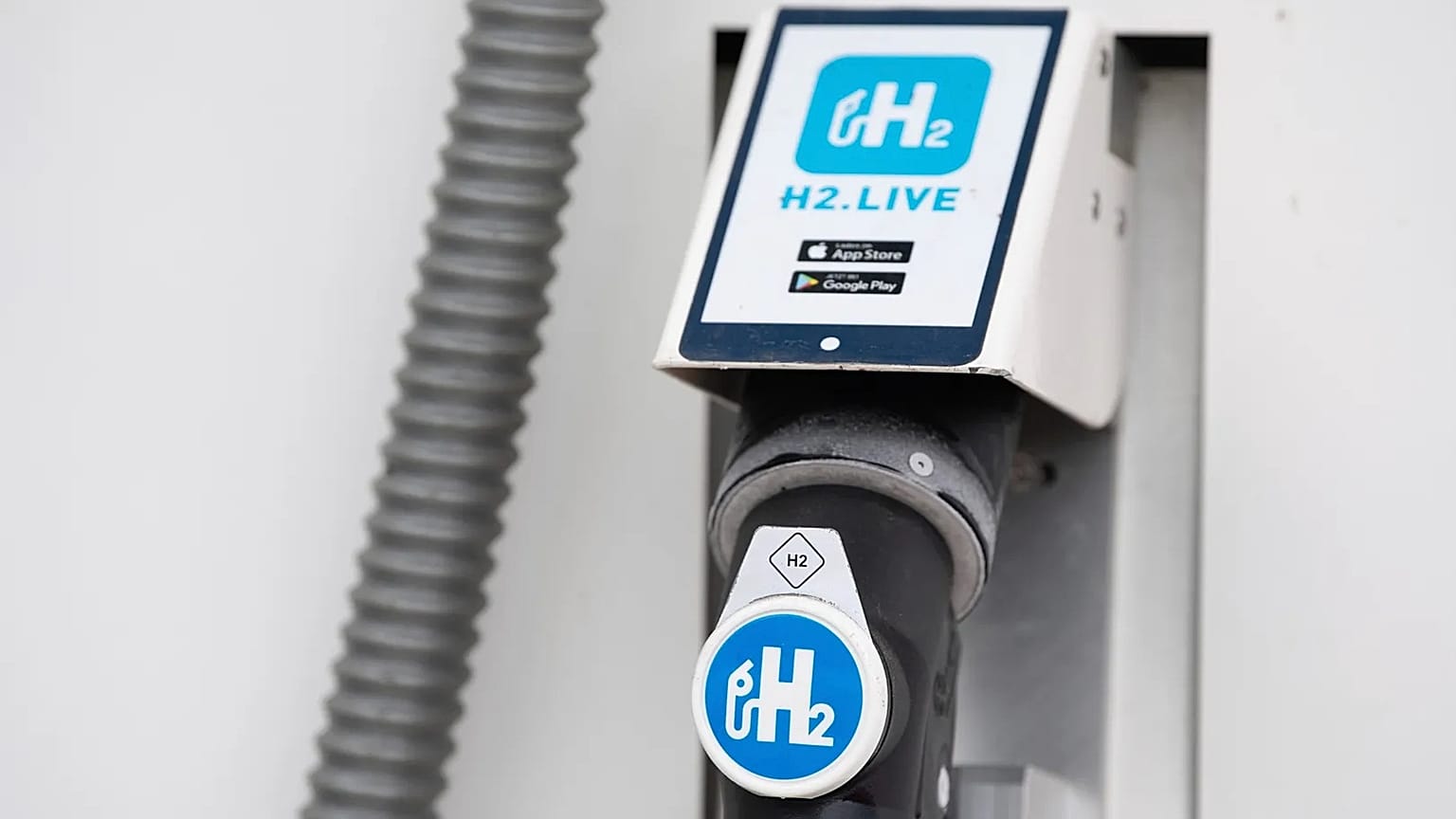
The European Union’s ambition to produce 10 million tonnes of renewable hydrogen annually by 2030 is increasingly at risk due to high production costs and regulatory uncertainties. A recent report from the Agency for the Cooperation of Energy Regulators (ACER) highlights significant challenges in developing a sustainable hydrogen market within the EU. The report underscores that current market conditions are not conducive to attracting the necessary investments.
Despite efforts to promote hydrogen projects aimed at reducing dependency on fossil fuels, critics warn that ongoing investments may inadvertently support less sustainable energy sources, including “dirty hydrogen” and natural gas. The hydrogen market in the EU is still in its infancy, and the costs associated with producing clean hydrogen remain prohibitively high.
The production of “green hydrogen,” which is generated using electrolysis to split water into hydrogen and oxygen with renewable energy sources like wind and solar, is currently hampered by these economic factors. In 2024, there was a notable 51% annual increase in installed electrolyser capacity across the EU, according to ACER. This brought online an additional 104 megawatts of capacity, resulting in a total of 308 megawatts, effectively doubling the capacity from 2022. However, this figure remains a small fraction of the 40 gigawatts planned for installation by 2030.
Critical Infrastructure and Regulatory Support Needed
ACER’s 2025 monitoring report indicates that focused coordination and targeted policy support are essential for the EU to accelerate the deployment of hydrogen technology. The report also states that approximately 50% of renewable hydrogen production costs are tied to electricity prices. ACER officials suggest that expediting the decarbonisation of the power sector—as proposed by the EU executive—could significantly reduce electricity costs and enhance the viability of green hydrogen production.
To facilitate greater production, ACER advocates for faster permitting processes and improved grid connections for both electrolysers and renewable energy projects.
In terms of infrastructure development, the European Hydrogen Observatory reports that only 55 kilometers of new hydrogen pipelines were commissioned in 2024. This brings the total length of the EU’s hydrogen networks to 1,636 kilometers, primarily concentrated in countries like Belgium, France, Germany, and the Netherlands.
The EU’s long-term strategy includes not only producing 10 million tonnes of renewable hydrogen annually but also importing an additional 10 million tonnes. The bloc is also focused on increasing the adoption of hydrogen-powered transport. The revised renewable energy law, passed in October 2023, sets a target for 1% of transport energy to come from synthetic fuels, including e-hydrogen, by 2030. The law aims for renewable energy to comprise 29% of the transport energy mix and 42% for industrial use.
Implementation Challenges Persist
Despite these ambitious targets, the implementation of the renewable energy law remains weak. Only Denmark and Ireland have fully transposed the law, which sets clear targets for e-fuels and encourages investor confidence in the hydrogen sector.
The EU’s energy regulators have called on member states to expedite the transposition and implementation of this law to ensure regulatory certainty and foster market development. Without decisive action, the EU risks falling short of its hydrogen production goals, undermining its broader climate objectives.
As the EU navigates these complexities, the path forward for the hydrogen market will depend on successful regulatory frameworks, infrastructure investments, and a clear commitment to renewable energy sources.

EU Council President Confirms Russian Drones Intruded During Zelenskyy Visit

Google Plans Space Data Centres by 2027 to Power AI

Askeaton Pool Reopens After €2.8 Million Renovation

Survey Reveals Half of Israelis Oppose Netanyahu’s Pardon Request

Man in His 60s Hospitalized After Serious Workplace Accident

EU Faces Challenges in Achieving Ambitious Hydrogen Goals

Cartoon Saloon Unveils Charity Christmas Card for Cois Nore

Storm Bram Knocks Out Power for 54,000; Major Travel Disruptions

Bob Vylan Files Defamation Suit Against RTE Over False Claims

Tributes Surge for 9-Year-Old Leon Briody After Cancer Battle

Aimee Osbourne Joins Family for Emotional Tribute to Ozzy

Danny Healy-Rae Considers Complaint After Altercation with Garda

Ireland Enjoys Summer Heat as Hurricane Erin Approaches Atlantic

Hawaii Commemorates 80 Years Since Hiroshima Bombing with Ceremony

Newcastle West Woman Patricia Foley Found Safe After Urgent Search

Fianna Fáil TDs Urgently Consider Maire Geoghegan-Quinn for Presidency

Couple Convicted of Murdering Two-Year-Old Grandson in Wales

Gaza Aid Distribution Tragedy: 20 Killed Amid Ongoing Violence
-
 Top Stories3 months ago
Tributes Surge for 9-Year-Old Leon Briody After Cancer Battle
-
 Entertainment4 months ago
Aimee Osbourne Joins Family for Emotional Tribute to Ozzy
-
 Politics5 months ago
Danny Healy-Rae Considers Complaint After Altercation with Garda
-
 Top Stories4 months ago
Ireland Enjoys Summer Heat as Hurricane Erin Approaches Atlantic
-
 World5 months ago
Hawaii Commemorates 80 Years Since Hiroshima Bombing with Ceremony
-
 Top Stories3 months ago
Newcastle West Woman Patricia Foley Found Safe After Urgent Search
-
 Top Stories5 months ago
Fianna Fáil TDs Urgently Consider Maire Geoghegan-Quinn for Presidency
-
 World5 months ago
Couple Convicted of Murdering Two-Year-Old Grandson in Wales
-
 World5 months ago
Gaza Aid Distribution Tragedy: 20 Killed Amid Ongoing Violence
-

 World5 months ago
Aristocrat Constance Marten and Partner Convicted of Infant Murder
-

 Top Stories4 months ago
Climbing Errigal: A Must-Do Summer Adventure in Donegal
-

 Top Stories4 months ago
Hike Donegal’s Errigal Mountain NOW for Unforgettable Summer Views