
Politics
Ireland Faces Security Gaps After Drone Incident Near Zelenskiy

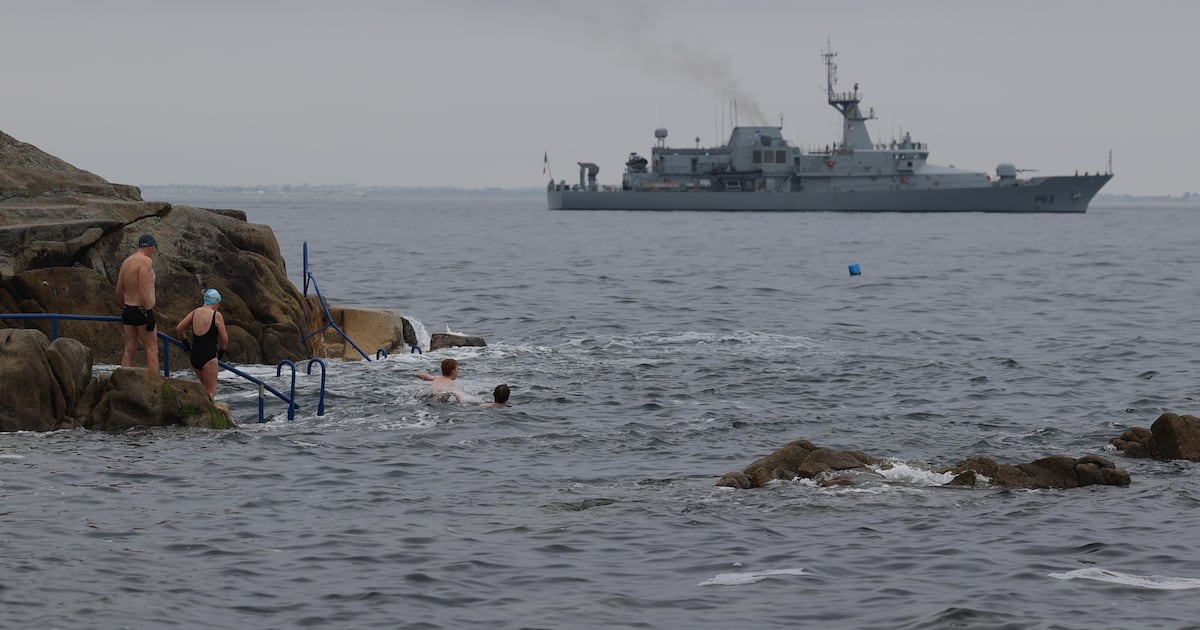
The recent drone incursion near Dublin involving Ukrainian President Volodymyr Zelenskiy has raised serious concerns about Ireland’s national security capabilities. As Zelenskiy’s aircraft approached the city, unauthorized drones were spotted, prompting a delayed response from the Irish government. Following a week of investigation, Minister for Justice Jim O’Callaghan described the incident as a “co-ordinated threat” from unidentified sources, highlighting systemic flaws within the country’s defense framework.
The timeline of the incident reveals significant shortcomings. The crew of the Irish Naval Service’s LÉ William Butler Yeats first detected the drones, yet it took a full week for officials to confirm the seriousness of the event. This delay underscores a troubling gap between the capabilities of the Irish Defence Forces and the evolving threats posed by modern warfare, particularly the use of drones.
Drones have swiftly become essential tools in military operations worldwide, yet Ireland’s military lacks the necessary resources to effectively combat these technologies. Currently, the Defence Forces do not possess primary radar systems to detect such threats, although one is reportedly being procured. Naval vessels, including the LÉ William Butler Yeats, lack vital air search radar, electronic jamming equipment, and other countermeasures for drones. As a result, the crew could only rely on the ship’s guns, which could have endangered civilian aircraft in the vicinity.
The command structure of the Defence Forces further complicates the situation. With no unified command overseeing both the Navy and the Air Corps, coordination during crises may be hindered. This fragmentation raises immediate questions about the government’s ability to respond effectively to threats, particularly as Ireland prepares to assume the presidency of the European Union in July 2025. This role will involve several high-profile summits and meetings, amplifying the need for enhanced security measures.
In light of these vulnerabilities, the government must address the gaps in national defense. While some equipment has been acquired to improve security, analysts argue that these measures may not be sufficient to fully remedy the issues exposed by the recent incident. It appears likely that Ireland will need to seek assistance from EU partners and potentially the UK to bolster its defense capabilities.
Beyond immediate security concerns, the incident raises broader questions about the role of the Defence Forces in an increasingly complex global landscape. The ability to monitor and secure Irish airspace and territorial waters is critical. Yet, the necessary organizational, personnel, and equipment strategies to achieve this have yet to be fully defined or agreed upon.
Amidst these challenges lies a fundamental ambiguity regarding Irish military neutrality. As the world evolves, the concept of neutrality must not equate to vulnerability. Ensuring that Ireland is not left defenseless is imperative as the nation navigates its future security policies. The recent drone sighting serves as a stark reminder that the country must reevaluate its defense posture in a rapidly changing international environment.

Storm Bram Leaves 25,000 Without Power; Further Outages Expected

Families of IRA Victims Demand Accountability After Kenova Report

Businessman Faces Tribunal Over €1,876 Pay Dispute with Coach

Angry Ginge Wins I’m a Celebrity 2024 but Loses Prize Money

Irish Runner Brenda O’Keeffe Completes 610 Marathons Amid Cancer Battle

Nnena Kalu Makes History as First Artist with Learning Disability to Win Turner Prize

Ireland Faces Security Gaps After Drone Incident Near Zelenskiy

Storm Bram Knocks Out Power to 54,000 as Travel Chaos Ensues

Heroic Act: 90-Year-Old Man Sacrifices Life to Save Woman

Tributes Surge for 9-Year-Old Leon Briody After Cancer Battle

Aimee Osbourne Joins Family for Emotional Tribute to Ozzy

Danny Healy-Rae Considers Complaint After Altercation with Garda

Ireland Enjoys Summer Heat as Hurricane Erin Approaches Atlantic

Hawaii Commemorates 80 Years Since Hiroshima Bombing with Ceremony

Newcastle West Woman Patricia Foley Found Safe After Urgent Search

Fianna Fáil TDs Urgently Consider Maire Geoghegan-Quinn for Presidency

Couple Convicted of Murdering Two-Year-Old Grandson in Wales

Gaza Aid Distribution Tragedy: 20 Killed Amid Ongoing Violence
-
 Top Stories3 months ago
Tributes Surge for 9-Year-Old Leon Briody After Cancer Battle
-
 Entertainment4 months ago
Aimee Osbourne Joins Family for Emotional Tribute to Ozzy
-
 Politics5 months ago
Danny Healy-Rae Considers Complaint After Altercation with Garda
-
 Top Stories4 months ago
Ireland Enjoys Summer Heat as Hurricane Erin Approaches Atlantic
-
 World5 months ago
Hawaii Commemorates 80 Years Since Hiroshima Bombing with Ceremony
-
 Top Stories3 months ago
Newcastle West Woman Patricia Foley Found Safe After Urgent Search
-
 Top Stories5 months ago
Fianna Fáil TDs Urgently Consider Maire Geoghegan-Quinn for Presidency
-
 World5 months ago
Couple Convicted of Murdering Two-Year-Old Grandson in Wales
-
 World5 months ago
Gaza Aid Distribution Tragedy: 20 Killed Amid Ongoing Violence
-

 World5 months ago
Aristocrat Constance Marten and Partner Convicted of Infant Murder
-

 Top Stories4 months ago
Climbing Errigal: A Must-Do Summer Adventure in Donegal
-

 Top Stories4 months ago
Hike Donegal’s Errigal Mountain NOW for Unforgettable Summer Views