
Politics
Kenova Report: No Evidence of British Collusion in 1974 Attacks

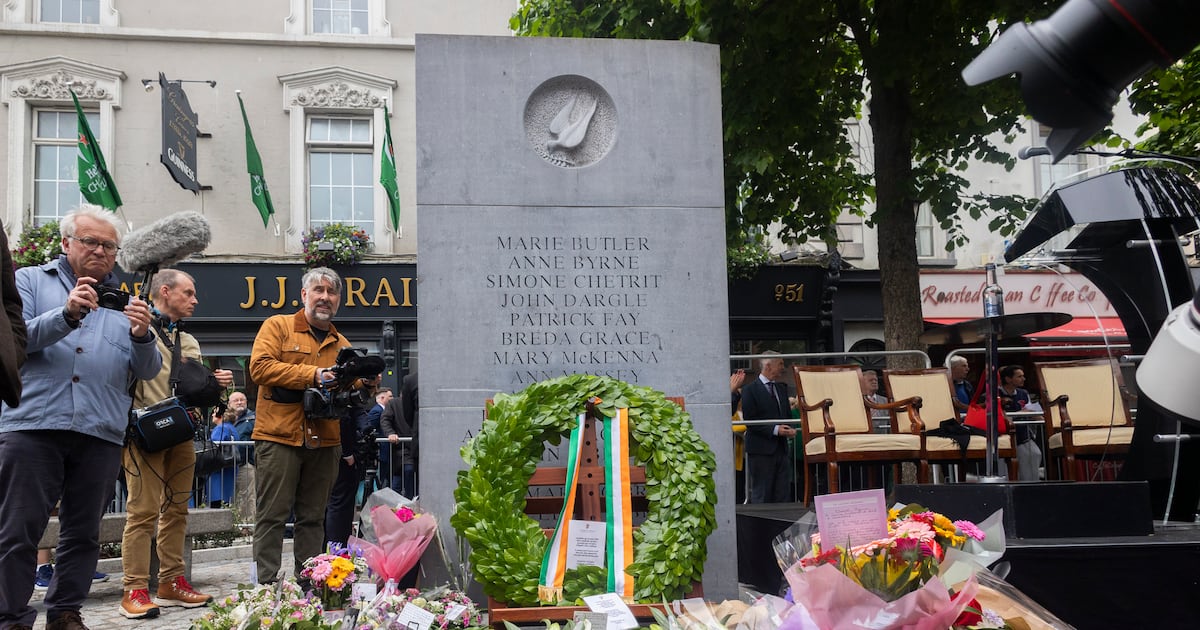
A recent report by the Kenova team investigating the 1974 bombings in Dublin and Monaghan has found “no evidence” of collusion between the British state and loyalist paramilitaries. However, the report indicates that such collusion “cannot be categorically excluded.” Published on March 15, 2024, the findings of Operation Denton highlight significant deficiencies in the investigation that followed the attacks, which resulted in the deaths of 34 individuals and injuries to over 300 others.
The report details how “legitimate questions” have arisen regarding the lack of information and intelligence recovered post-attacks and the “poor investigative response” that has fueled beliefs in state collusion. It concluded that the review team “has not identified any evidence or intelligence which would indicate that British security forces colluded with the Ulster Volunteer Force (UVF) to carry out the attacks.” Furthermore, there was “no specific intelligence which, if acted upon, could have prevented” the bombings.
According to the report, the UVF Brigade staff based in the Shankill area of Belfast were responsible for planning and executing the bombings. Operational support for the Monaghan bombing was provided by the Mid Ulster UVF. The investigation found no realistic opportunities for criminal re-investigation into these attacks, stating that without new evidence or confessions, successful prosecution remains unlikely.
Background on the 1974 Bombings
On May 17, 1974, three car bombs detonated in Dublin during the evening rush hour, followed by a fourth explosion in Monaghan about 90 minutes later. The UVF later claimed responsibility for the coordinated attacks. In addition to the casualties, the bombings created lasting trauma within the affected communities. No individuals have been convicted in connection with these events.
Operation Denton also reviewed allegations of collusion in 98 incidents known as the “Glenanne Series,” which involved attacks by loyalist paramilitaries in the 1970s, mainly orchestrated by the Mid Ulster UVF in conjunction with “corrupt members of the security forces, including the Royal Ulster Constabulary (RUC) and the Ulster Defence Regiment (UDR).” In several individual cases, the review identified “clear evidence of collusion with loyalist paramilitaries by state actors,” including the active involvement of security forces members in serious criminal activities.
The review confirmed that “paramilitary groups were being supplied with intelligence by corrupt members of the security forces” and that some police officers had inappropriate relationships with members of the Mid Ulster UVF. It also indicated that intelligence regarding prominent loyalist paramilitaries was often inadequately acted upon. Nonetheless, the report found “no evidence which indicates that the RUC at an organizational level was involved or complicit” with extremist activities.
Calls for Transparency and Accountability
The findings of Operation Denton were released as part of the final report of Operation Kenova, a £40 million independent investigation into the activities of Freddie Scappaticci, known as Stakeknife, who was a senior double agent during the Troubles. The interim report, published in 2024, concluded that Scappaticci’s actions may have resulted in more lives lost than saved. He was linked to 14 murders and 15 abductions before his death in 2023.
Iain Livingstone, the head of Kenova, emphasized that the “neither confirm nor deny” (NCND) policy should not shield agents who commit serious crimes from accountability. He stated, “There is a compelling ethical case for the UK government to derogate from NCND policy regarding the agent Stakeknife’s identity.” Livingstone argued it is in the public interest to officially confirm Stakeknife’s identity given the significant implications of his actions.
The final Kenova report called for a commitment to transparency, asserting that the lessons learned should inform current legacy legislation making its way through the UK Parliament. Livingstone stressed the need for rigorous investigations that prioritize the interests of affected families, emphasizing that “sufficient investigative powers and resources” should be allocated to a reformed Legacy Commission.
The scope of the Kenova inquiry, including its findings on the handling of intelligence and the oversight of agents, highlights the ongoing challenges of addressing the legacy of the Troubles in Northern Ireland. As the report underscores the necessity for accountability, it also raises critical questions about the role of state actors during a tumultuous period in Irish and British history.

Andrej Babiš Sworn in as Czech PM, Sparks Controversy and Concerns

Four Men Plead Guilty to Lesser Assault Charges in Branding Case

Health Inspectors Warn of Hazards in Killarney Nursing Home

Kenova Report: No Evidence of British Collusion in 1974 Attacks

Chernobyl’s Radiation Shield Compromised After Drone Strike

Sligo Rovers Secure Manager John Russell with Multi-Year Deal

EU Extends Nitrates Derogation for Irish Farmers by Three Years

Urgent Report: No Evidence of British Collusion in 1974 Bombings

Miss Universe Contestant in Critical Condition After Stage Fall

Tributes Surge for 9-Year-Old Leon Briody After Cancer Battle

Aimee Osbourne Joins Family for Emotional Tribute to Ozzy

Danny Healy-Rae Considers Complaint After Altercation with Garda

Ireland Enjoys Summer Heat as Hurricane Erin Approaches Atlantic

Hawaii Commemorates 80 Years Since Hiroshima Bombing with Ceremony

Newcastle West Woman Patricia Foley Found Safe After Urgent Search

Fianna Fáil TDs Urgently Consider Maire Geoghegan-Quinn for Presidency

Couple Convicted of Murdering Two-Year-Old Grandson in Wales

Gaza Aid Distribution Tragedy: 20 Killed Amid Ongoing Violence
-
 Top Stories3 months ago
Tributes Surge for 9-Year-Old Leon Briody After Cancer Battle
-
 Entertainment4 months ago
Aimee Osbourne Joins Family for Emotional Tribute to Ozzy
-
 Politics4 months ago
Danny Healy-Rae Considers Complaint After Altercation with Garda
-
 Top Stories4 months ago
Ireland Enjoys Summer Heat as Hurricane Erin Approaches Atlantic
-
 World5 months ago
Hawaii Commemorates 80 Years Since Hiroshima Bombing with Ceremony
-
 Top Stories3 months ago
Newcastle West Woman Patricia Foley Found Safe After Urgent Search
-
 Top Stories5 months ago
Fianna Fáil TDs Urgently Consider Maire Geoghegan-Quinn for Presidency
-
 World5 months ago
Couple Convicted of Murdering Two-Year-Old Grandson in Wales
-
 World5 months ago
Gaza Aid Distribution Tragedy: 20 Killed Amid Ongoing Violence
-

 World5 months ago
Aristocrat Constance Marten and Partner Convicted of Infant Murder
-

 Top Stories4 months ago
Climbing Errigal: A Must-Do Summer Adventure in Donegal
-

 Top Stories4 months ago
Hike Donegal’s Errigal Mountain NOW for Unforgettable Summer Views