
Top Stories
Andrej Babiš Sworn in as Czech PM, Sparks Controversy and Concerns

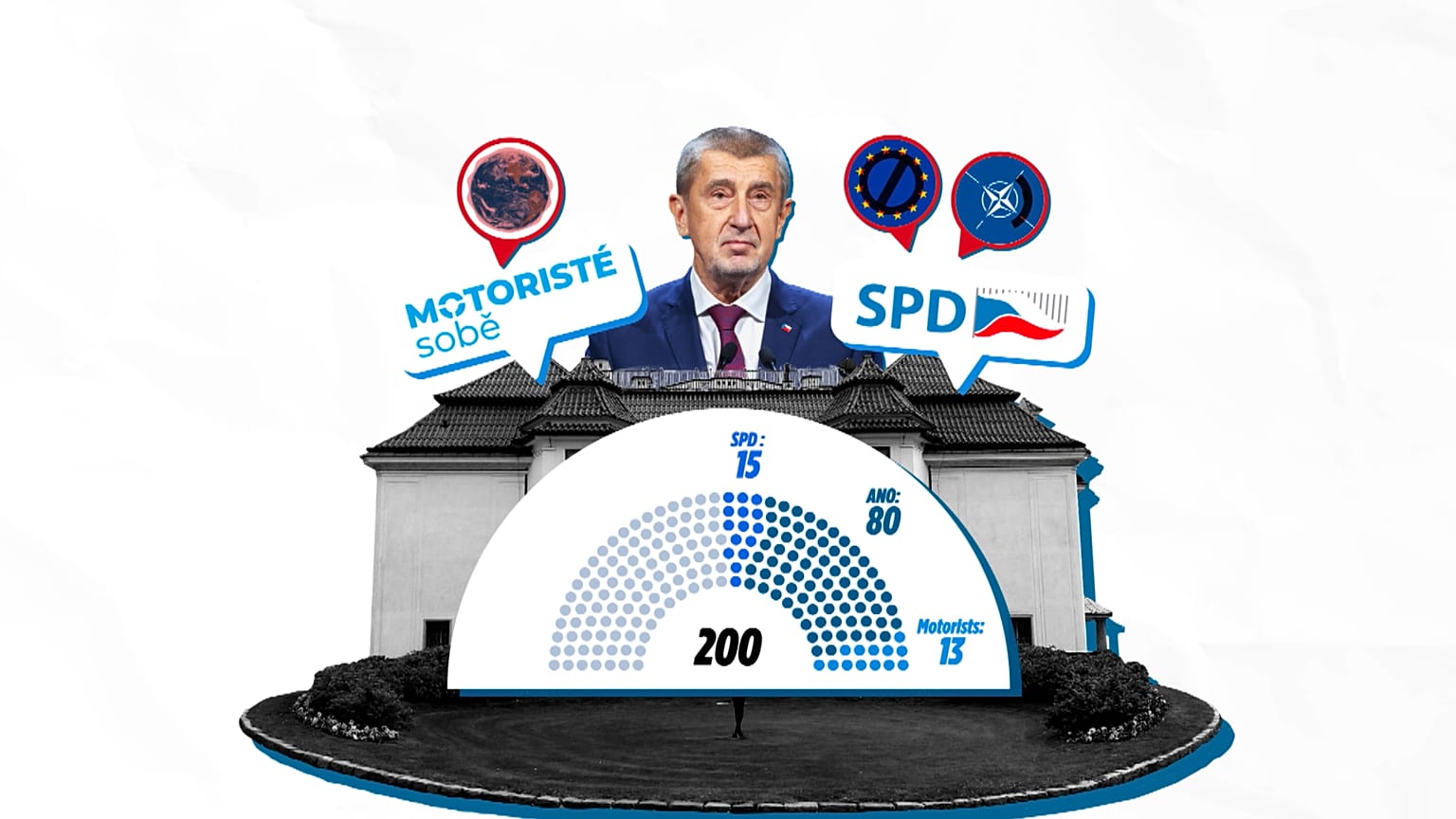
UPDATE: Andrej Babiš has officially returned as the Prime Minister of the Czech Republic on October 10, 2023, raising urgent questions about his government’s direction and its implications for Europe. This comes after a controversial electoral victory that has positioned him at the center of a political storm, with critics fearing a shift towards autocratic governance similar to that seen in Hungary.
Babiš’s appointment was initially stalled by President Petr Pavel, who demanded that Babiš transfer control of his substantial business empire, Agrofert, to independent administrators. This requirement highlights the significant conflict of interest and concerns regarding transparency in his leadership.
In a bold move, Babiš has formed a coalition government that includes the fiercely climate-skeptical Motorists Party and the SPD, known for its opposition to both the EU and NATO. With a cabinet of 16 members, the Motorists hold four seats while the SPD occupies three, but Babiš has retained nine key positions for his allies, ensuring he maintains control over critical aspects of governance.
As tensions rise, parallels are drawn between Babiš and Hungarian Prime Minister Viktor Orbán. However, political analysts caution against oversimplifying this comparison. Babiš is described more as a corporate leader than an ideologue, focusing on the needs of his constituents while navigating the complex landscape of European politics. He has indicated tough stances on supporting Ukraine, yet experts believe he will continue to allow Czech arms factories to supply ammunition to Kyiv, driven by profitability.
Babiš’s government is expected to challenge the EU’s Green Deal, primarily to safeguard the Czech automotive industry, which constitutes 10% of the nation’s GDP and a quarter of its exports. His approach suggests a willingness to negotiate from a position of strength, but many fear that he may threaten to dismantle essential EU frameworks to secure concessions.
As Babiš embarks on this new chapter, the European political landscape watches closely for his next moves. Will he push for reform within the EU, or could his leadership lead to deeper fractures? Observers are left pondering if he will indeed protect the EU’s integrity or prioritize national interests at the expense of collective unity.
In the days ahead, all eyes will be on Prague as Babiš’s coalition begins to unfold its agenda. The implications of his return could resonate throughout Europe, making it critical for citizens and leaders alike to stay informed on the developments of this new administration.
This story is developing, and further updates will provide insight into how Babiš’s leadership will influence both domestic policies and international relations.

Google Announces Launch of AI Glasses for 2026 – What to Expect

Andrej Babiš Sworn in as Czech PM, Sparks Controversy and Concerns

Four Men Plead Guilty to Lesser Assault Charges in Branding Case

Health Inspectors Warn of Hazards in Killarney Nursing Home

Kenova Report: No Evidence of British Collusion in 1974 Attacks

Chernobyl’s Radiation Shield Compromised After Drone Strike

Sligo Rovers Secure Manager John Russell with Multi-Year Deal

EU Extends Nitrates Derogation for Irish Farmers by Three Years

Urgent Report: No Evidence of British Collusion in 1974 Bombings

Tributes Surge for 9-Year-Old Leon Briody After Cancer Battle

Aimee Osbourne Joins Family for Emotional Tribute to Ozzy

Danny Healy-Rae Considers Complaint After Altercation with Garda

Ireland Enjoys Summer Heat as Hurricane Erin Approaches Atlantic

Hawaii Commemorates 80 Years Since Hiroshima Bombing with Ceremony

Newcastle West Woman Patricia Foley Found Safe After Urgent Search

Fianna Fáil TDs Urgently Consider Maire Geoghegan-Quinn for Presidency

Couple Convicted of Murdering Two-Year-Old Grandson in Wales

Gaza Aid Distribution Tragedy: 20 Killed Amid Ongoing Violence
-
 Top Stories3 months ago
Tributes Surge for 9-Year-Old Leon Briody After Cancer Battle
-
 Entertainment4 months ago
Aimee Osbourne Joins Family for Emotional Tribute to Ozzy
-
 Politics4 months ago
Danny Healy-Rae Considers Complaint After Altercation with Garda
-
 Top Stories4 months ago
Ireland Enjoys Summer Heat as Hurricane Erin Approaches Atlantic
-
 World5 months ago
Hawaii Commemorates 80 Years Since Hiroshima Bombing with Ceremony
-
 Top Stories3 months ago
Newcastle West Woman Patricia Foley Found Safe After Urgent Search
-
 Top Stories5 months ago
Fianna Fáil TDs Urgently Consider Maire Geoghegan-Quinn for Presidency
-
 World5 months ago
Couple Convicted of Murdering Two-Year-Old Grandson in Wales
-
 World5 months ago
Gaza Aid Distribution Tragedy: 20 Killed Amid Ongoing Violence
-

 World5 months ago
Aristocrat Constance Marten and Partner Convicted of Infant Murder
-

 Top Stories4 months ago
Climbing Errigal: A Must-Do Summer Adventure in Donegal
-

 Top Stories4 months ago
Hike Donegal’s Errigal Mountain NOW for Unforgettable Summer Views