
Politics
Global Report Reveals Two-Thirds Face Religious Freedom Violations

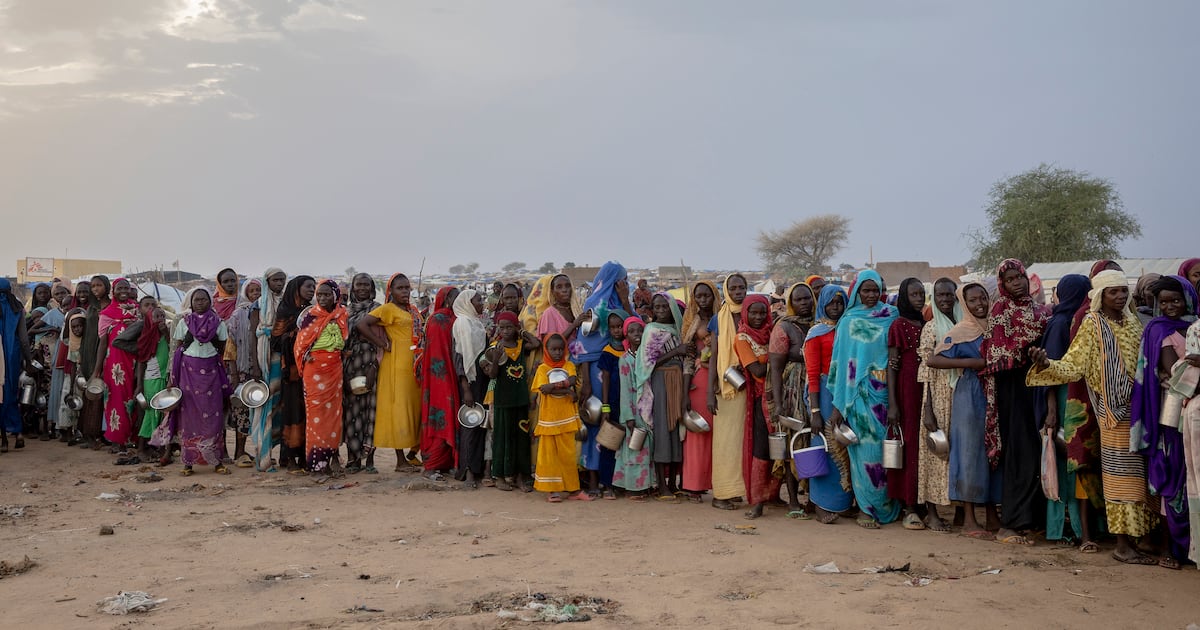
A recent report from the pontifical foundation Aid to the Church in Need reveals that approximately two-thirds of the global population lives in regions where their religious freedom is infringed upon. The findings, published last Thursday in the organization’s annual report on religious freedom, highlight a concerning trend of escalating violations across the world.
The right to freedom of thought, conscience, and religion is a fundamental principle protected under Article 18 of the Universal Declaration of Human Rights. Nevertheless, the latest analysis indicates that this basic right is increasingly under threat. The report emphasizes that religious freedom is not merely a privilege but a critical human right essential for the practice of faith without interference.
According to the report, over 5.4 billion people experience violations of their religious freedom, which manifest in various forms, including discrimination and persecution. The study reveals that serious violations are present in 62 out of 196 countries, with 24 classified as countries of persecution and 38 as countries of discrimination.
Regions Most Affected by Violations
The report highlights Africa as one of the regions most severely impacted by religious oppression. The rise of militant ideologies, particularly Jihadism, has led to widespread violence against Christians. In northern Nigeria, armed groups associated with radicalized Fulani herders have caused significant loss of life and mass displacement. Communities are facing famine, destruction of churches, and even massacres solely based on their Christian faith.
In the Sahel region, particularly in countries such as Burkina Faso, Niger, and Mali, entire villages have been obliterated by Islamist militias. Furthermore, civil conflict in Sudan has decimated age-old Christian communities, erasing their historical presence.
The report also notes an alarming trend where technological advancements are being misused to marginalize religious communities. Nations like China, Eritrea, Iran, and Nicaragua employ sophisticated surveillance and restrictive laws to suppress religious expression. This tactic is similarly reflected in India, where Christian and Muslim communities face a form of “hybrid persecution” driven by hostile political rhetoric and discriminatory laws.
Impact on Christian Communities
In Pakistan, Christians often face unfounded accusations under stringent blasphemy laws, which jeopardize their safety and hinder their ability to practice their faith. These charges frequently arise without evidence, aimed at silencing a small minority community.
While the situation in the West is less severe, there are troubling patterns regarding religious freedom. In Europe, Christians encounter increasing disapproval of their beliefs in public life, including media and politics. This social climate fosters what Pope Francis termed “polite persecution,” where disapproval manifests in subtle yet pervasive ways, undermining the core values of tolerance and inclusion.
The report starkly illustrates that more Christians have lost their lives for their faith in the last century than in the preceding 1,900 years of Christian history. As we approach 2025, the need for advocacy and action to protect religious freedoms remains urgent and critical. The findings serve as a reminder of the ongoing struggles faced by millions around the globe and the imperative to uphold the right to practice one’s faith freely and openly.

Mother Reveals Daughter’s Meningitis Seizure After Night Out

Major Oil Spill Disrupts Traffic in Donegal on March 16, 2026

Discovering Literature: The Joys of Rejoining a Public Library

Ted Season 2 Announced: Release Date & Trailer Updates Revealed

Research Ireland and UKRI Forge New Collaboration Agreement

David McGoldrick’s Impressive Scoring Streak Sparks World Cup Talk

Plane Crash Claims Lives of Publishing Heir, Pregnant Wife, and Pilot

Oscars Snub Brigitte Bardot Sparks Controversy Over In Memoriam

Meta Plans Major Layoffs to Offset Rising AI Investment Costs

Tributes Surge for 9-Year-Old Leon Briody After Cancer Battle

Aimee Osbourne Joins Family for Emotional Tribute to Ozzy

Danny Healy-Rae Considers Complaint After Altercation with Garda

Hawaii Commemorates 80 Years Since Hiroshima Bombing with Ceremony

Ireland Enjoys Summer Heat as Hurricane Erin Approaches Atlantic

Couple Convicted of Murdering Two-Year-Old Grandson in Wales

Gaza Aid Distribution Tragedy: 20 Killed Amid Ongoing Violence

Newcastle West Woman Patricia Foley Found Safe After Urgent Search

Fianna Fáil TDs Urgently Consider Maire Geoghegan-Quinn for Presidency
-
 Top Stories10 months ago
Tributes Surge for 9-Year-Old Leon Briody After Cancer Battle
-
 Entertainment12 months ago
Aimee Osbourne Joins Family for Emotional Tribute to Ozzy
-
 Politics12 months ago
Danny Healy-Rae Considers Complaint After Altercation with Garda
-
 World12 months ago
Hawaii Commemorates 80 Years Since Hiroshima Bombing with Ceremony
-
 Top Stories11 months ago
Ireland Enjoys Summer Heat as Hurricane Erin Approaches Atlantic
-
 World12 months ago
Couple Convicted of Murdering Two-Year-Old Grandson in Wales
-
 World12 months ago
Gaza Aid Distribution Tragedy: 20 Killed Amid Ongoing Violence
-
 Top Stories10 months ago
Newcastle West Woman Patricia Foley Found Safe After Urgent Search
-
 Top Stories12 months ago
Fianna Fáil TDs Urgently Consider Maire Geoghegan-Quinn for Presidency
-

 World12 months ago
Aristocrat Constance Marten and Partner Convicted of Infant Murder
-

 Top Stories11 months ago
Climbing Errigal: A Must-Do Summer Adventure in Donegal
-

 Top Stories11 months ago
Hike Donegal’s Errigal Mountain NOW for Unforgettable Summer Views