
World
European Nations Unveil Alternative Ukraine Peace Proposal Amid US Controversy

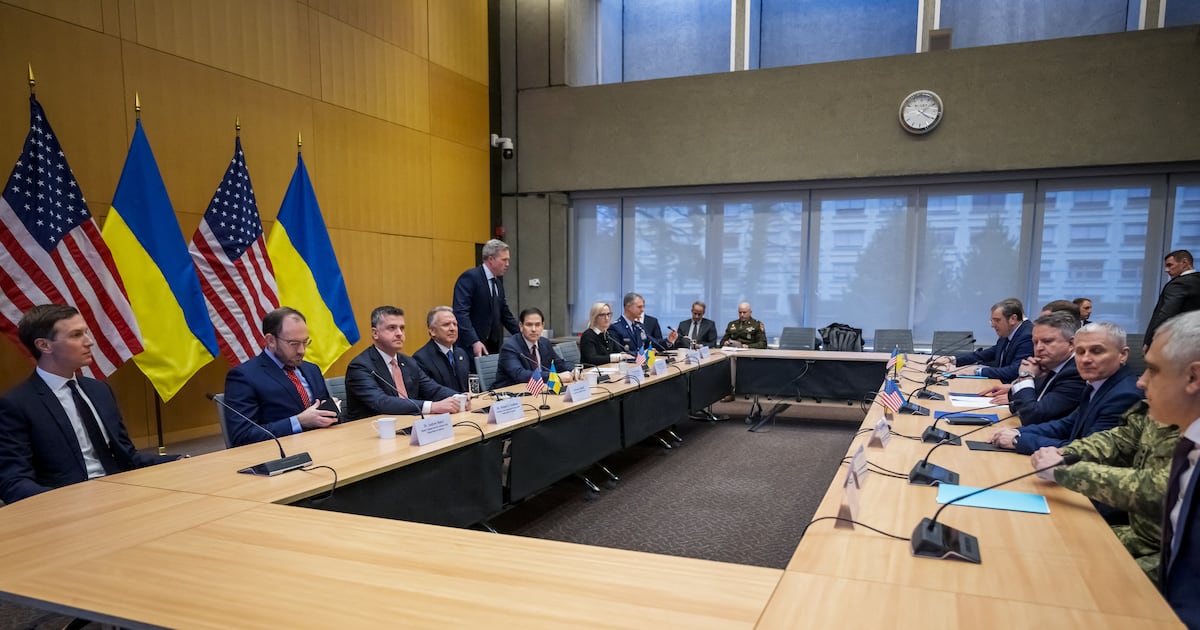
European countries have introduced a significant alternative peace plan for Ukraine, diverging sharply from the US-backed document that emerged last week. The new proposal aims to prioritize Ukraine’s sovereignty and has been put forth during negotiations taking place in Geneva, Switzerland. This development follows the leak of a controversial 28-point US plan that suggests Ukraine should concede territory to Russia and limit its military capabilities.
The US plan, which has drawn criticism for its pro-Russian elements, sparked immediate backlash. It demands that Ukraine refrain from pursuing the Kremlin for alleged war crimes and suggests military restrictions that Ukrainian leaders find unacceptable. In contrast, the European proposal emphasizes that discussions regarding territorial disputes should occur only after a ceasefire is established, starting from the current frontline.
At the Geneva talks, former US President Donald Trump commented that Ukraine has shown “zero gratitude” for American efforts to mediate the conflict. In response, Ukrainian President Volodymyr Zelenskiy expressed his appreciation for US military support, highlighting the importance of assistance such as Javelin missiles in saving lives.
This dialogue has been complicated by conflicting statements from US officials. Marco Rubio, the US Secretary of State, initially stated that the White House’s peace plan was conceived in Moscow, only to later affirm that the US authored it. Amid this confusion, Ukraine’s European allies moved swiftly to propose their own plan, which incorporates more favorable terms for Kyiv.
The European document notably does not require Ukraine to withdraw from cities under its control in the eastern Donbas region, nor does it exclude the possibility of Ukraine joining NATO. Instead, it acknowledges the lack of consensus on NATO membership while proposing that Russia return the occupied Zaporizhzhia Nuclear Power Station to the International Atomic Energy Agency. This arrangement would allow for shared control between Moscow and Kyiv.
Additionally, the European plan suggests capping Ukraine’s military to 800,000 personnel during peacetime, an increase of 200,000 compared to the US draft. It also proposes that frozen Russian assets be utilized for Ukraine’s reconstruction, rather than being partially allocated to US investors. In exchange for respecting a sustainable peace, the plan includes provisions for gradually easing sanctions against Russia and potentially reinstating it in the G8.
European leaders attending the recent G20 Summit in South Africa indicated that the US proposal requires “additional work.” Polish President Donald Tusk expressed uncertainty regarding the authorship of the US plan, suggesting it lacked clarity on its origins.
The origins of the US proposal have been further scrutinized, with reports indicating that it was developed by Kirill Dmitriev, a representative of President Vladimir Putin, alongside Trump’s special representative, Steve Witkoff. Some US senators claimed that the text was not genuinely American but rather a Russian document leaked to the US and subsequently delivered to Ukraine. Rubio later emphasized that the proposal was indeed authored by the US, incorporating insights from both Russia and Ukraine.
As discussions progress, Trump has softened his earlier stance, retracting his demand for Zelenskiy to endorse the deal by Thursday, describing it as “not my final offer.” Following his remarks, Rubio and Witkoff arrived in Geneva, engaging in talks with Zelenskiy’s chief of staff, Andriy Yermak. The discussions have been described as “very meaningful.”
European officials have been critical of the US draft in private conversations, arguing that it undermines Ukraine’s sovereignty and sets dangerous precedents for international relations. They assert that the plan would hinder Ukraine’s aspirations for EU membership and limit NATO’s operational capabilities within the country.
In light of these developments, Zelenskiy has faced immense pressure to align with US demands. He articulated the difficult position Ukraine finds itself in, balancing national interests with the need to maintain a vital alliance with the United States. As he stated, “The bloodshed must be stopped, and we must ensure that the war is never reignited.”
Professor Olexiy Haran from the Kyiv Mohyla Academy noted that the majority of Ukrainians reject the Trump plan and would favor the European alternative. He acknowledged that while freezing the frontline presents a challenging compromise, it is one that many would support, provided it does not involve conceding territory to Russia. Haran emphasized, “Any peace deal isn’t about Zelenskiy. Ultimately it’s about the Ukrainian people and their understanding of Ukraine as a nation.”

Donegal Hero Receives National Bravery Award for Life-Saving Rescue

Taxi Drivers Launch Urgent Protest in Galway Next Week

WPP Media Unveils Irish Language Advertising’s Dependency Dilemma

Rory McIlroy Eyes Comeback at Crown Australian Open

Nigel Farage Faces Growing Racism Allegations at Press Conference

Irishman James Graham Honored for Valor at Waterloo Battle

Ireland Joins Global Crackdown on Tax Evasion for Foreign Properties

Discover Ireland’s Rich Mythology: Legends and Folklore Explored

Irish Hero James Graham Honored as Bravest at Waterloo Battle

Tributes Surge for 9-Year-Old Leon Briody After Cancer Battle

Aimee Osbourne Joins Family for Emotional Tribute to Ozzy

Danny Healy-Rae Considers Complaint After Altercation with Garda

Ireland Enjoys Summer Heat as Hurricane Erin Approaches Atlantic

Hawaii Commemorates 80 Years Since Hiroshima Bombing with Ceremony

Newcastle West Woman Patricia Foley Found Safe After Urgent Search

Fianna Fáil TDs Urgently Consider Maire Geoghegan-Quinn for Presidency

Couple Convicted of Murdering Two-Year-Old Grandson in Wales

Gaza Aid Distribution Tragedy: 20 Killed Amid Ongoing Violence
-
 Top Stories3 months ago
Tributes Surge for 9-Year-Old Leon Briody After Cancer Battle
-
 Entertainment4 months ago
Aimee Osbourne Joins Family for Emotional Tribute to Ozzy
-
 Politics4 months ago
Danny Healy-Rae Considers Complaint After Altercation with Garda
-
 Top Stories4 months ago
Ireland Enjoys Summer Heat as Hurricane Erin Approaches Atlantic
-
 World5 months ago
Hawaii Commemorates 80 Years Since Hiroshima Bombing with Ceremony
-
 Top Stories3 months ago
Newcastle West Woman Patricia Foley Found Safe After Urgent Search
-
 Top Stories5 months ago
Fianna Fáil TDs Urgently Consider Maire Geoghegan-Quinn for Presidency
-
 World5 months ago
Couple Convicted of Murdering Two-Year-Old Grandson in Wales
-
 World5 months ago
Gaza Aid Distribution Tragedy: 20 Killed Amid Ongoing Violence
-

 World5 months ago
Aristocrat Constance Marten and Partner Convicted of Infant Murder
-

 Top Stories4 months ago
Climbing Errigal: A Must-Do Summer Adventure in Donegal
-

 Top Stories4 months ago
Hike Donegal’s Errigal Mountain NOW for Unforgettable Summer Views