
Science
Scholars Challenge Viking Myths, Highlight Historical Gaps

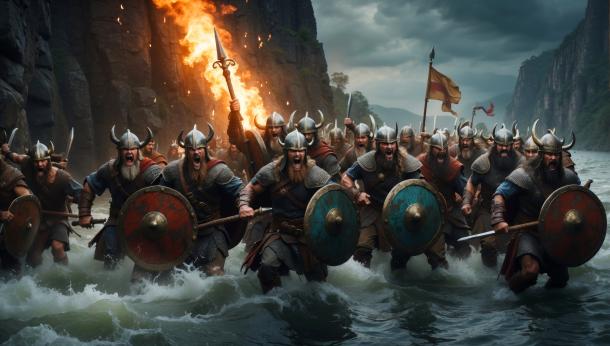
Recent research from the University of Münster reveals that many popular beliefs about Vikings and Norse mythology are rooted in medieval fiction rather than verifiable history. Scholars associated with the Cluster of Excellence “Religion and Politics” have emphasized the need to reassess long-held assumptions about the Viking age, which is often romanticized in modern culture.
According to Roland Scheel, a leading scholar in Scandinavian studies, the primary texts concerning Vikings were penned by Christian scholars significantly after the Viking period had concluded. This gap in documentation raises questions about the authenticity of the narratives surrounding this iconic civilization. Scheel noted that aside from brief runic inscriptions, little evidence from the era itself has survived, leading to what he describes as “memorialized history,” rather than genuine contemporary accounts.
Revisiting Viking Narratives
The research challenges the notion that modern interpretations of Norse warriors and their pagan beliefs are grounded in reliable historical evidence. The Viking age, which spanned from approximately 793 to 1066, has been characterized by tales of fierce warriors, intricate mythology, and a rich cultural legacy. Nevertheless, much of what is widely accepted today stems from later literature, often embellished by the perspectives of Christian authors who sought to convey their own narratives.
The findings have significant implications for how Viking culture is perceived and taught. Scholars urge educators and enthusiasts to differentiate between historically verified facts and the myths that have arisen from medieval literature. This distinction is crucial not only for academic integrity but also for the understanding of how history is shaped by cultural narratives.
Scheel’s team plans to further investigate the impact of these medieval texts on modern perceptions of Vikings and their society. As the research progresses, it may provide more clarity on how the Viking age has been misrepresented over the centuries.
The Importance of Primary Sources
The reliance on secondary sources and interpretations from later periods has obscured the true nature of Viking society. The absence of original texts from the Viking era means that much of what is known today is based on fragmented evidence and conjecture. This lack of primary documentation complicates efforts to create an accurate portrayal of Norse culture.
In light of these findings, scholars are calling for a more rigorous examination of the sources that shape public understanding of history. By scrutinizing the origins of these narratives, researchers aim to provide a clearer picture of the Vikings as they truly were, rather than as they have been depicted in popular culture.
The insights from the University of Münster highlight the need for ongoing dialogue between historical research and contemporary interpretations of cultural heritage. As the academic community continues to explore the nuances of Viking history, audiences are encouraged to approach the subject with a critical eye, recognizing the difference between myth and reality in the storied past of the Norse.

Donegal Secures Over €300,000 in Urgent Local Enhancement Fund

Justice Minister O’Callaghan Launches €2 Million Electronic Tagging Trial

Limerick Pool to Fully Reopen This Friday After Delay

Kilkenny Community Rallies for Fran’s Kickathon Charity Effort

Ballymun Set to Gain 9,000 Jobs and 2,000 Homes with MetroLink

Hugh Wallace Remembered as Charismatic Architect at Funeral

University Hospital Galway Urges Caution Amid Rising Flu Cases

St Eunan’s College Celebrates Student Achievements at Junior Awards

French Woman Calls for Justice After Alleged Drugging by Official

Tributes Surge for 9-Year-Old Leon Briody After Cancer Battle

Aimee Osbourne Joins Family for Emotional Tribute to Ozzy

Danny Healy-Rae Considers Complaint After Altercation with Garda

Ireland Enjoys Summer Heat as Hurricane Erin Approaches Atlantic

Hawaii Commemorates 80 Years Since Hiroshima Bombing with Ceremony

Newcastle West Woman Patricia Foley Found Safe After Urgent Search

Fianna Fáil TDs Urgently Consider Maire Geoghegan-Quinn for Presidency

Couple Convicted of Murdering Two-Year-Old Grandson in Wales

Gaza Aid Distribution Tragedy: 20 Killed Amid Ongoing Violence
-
 Top Stories3 months ago
Tributes Surge for 9-Year-Old Leon Briody After Cancer Battle
-
 Entertainment4 months ago
Aimee Osbourne Joins Family for Emotional Tribute to Ozzy
-
 Politics4 months ago
Danny Healy-Rae Considers Complaint After Altercation with Garda
-
 Top Stories4 months ago
Ireland Enjoys Summer Heat as Hurricane Erin Approaches Atlantic
-
 World5 months ago
Hawaii Commemorates 80 Years Since Hiroshima Bombing with Ceremony
-
 Top Stories3 months ago
Newcastle West Woman Patricia Foley Found Safe After Urgent Search
-
 Top Stories5 months ago
Fianna Fáil TDs Urgently Consider Maire Geoghegan-Quinn for Presidency
-
 World5 months ago
Couple Convicted of Murdering Two-Year-Old Grandson in Wales
-
 World5 months ago
Gaza Aid Distribution Tragedy: 20 Killed Amid Ongoing Violence
-

 World5 months ago
Aristocrat Constance Marten and Partner Convicted of Infant Murder
-

 Top Stories4 months ago
Climbing Errigal: A Must-Do Summer Adventure in Donegal
-

 Top Stories4 months ago
Hike Donegal’s Errigal Mountain NOW for Unforgettable Summer Views