
Health
HPV Vaccine Reduces Cervical Cancer Risk by 80% with Minimal Side Effects

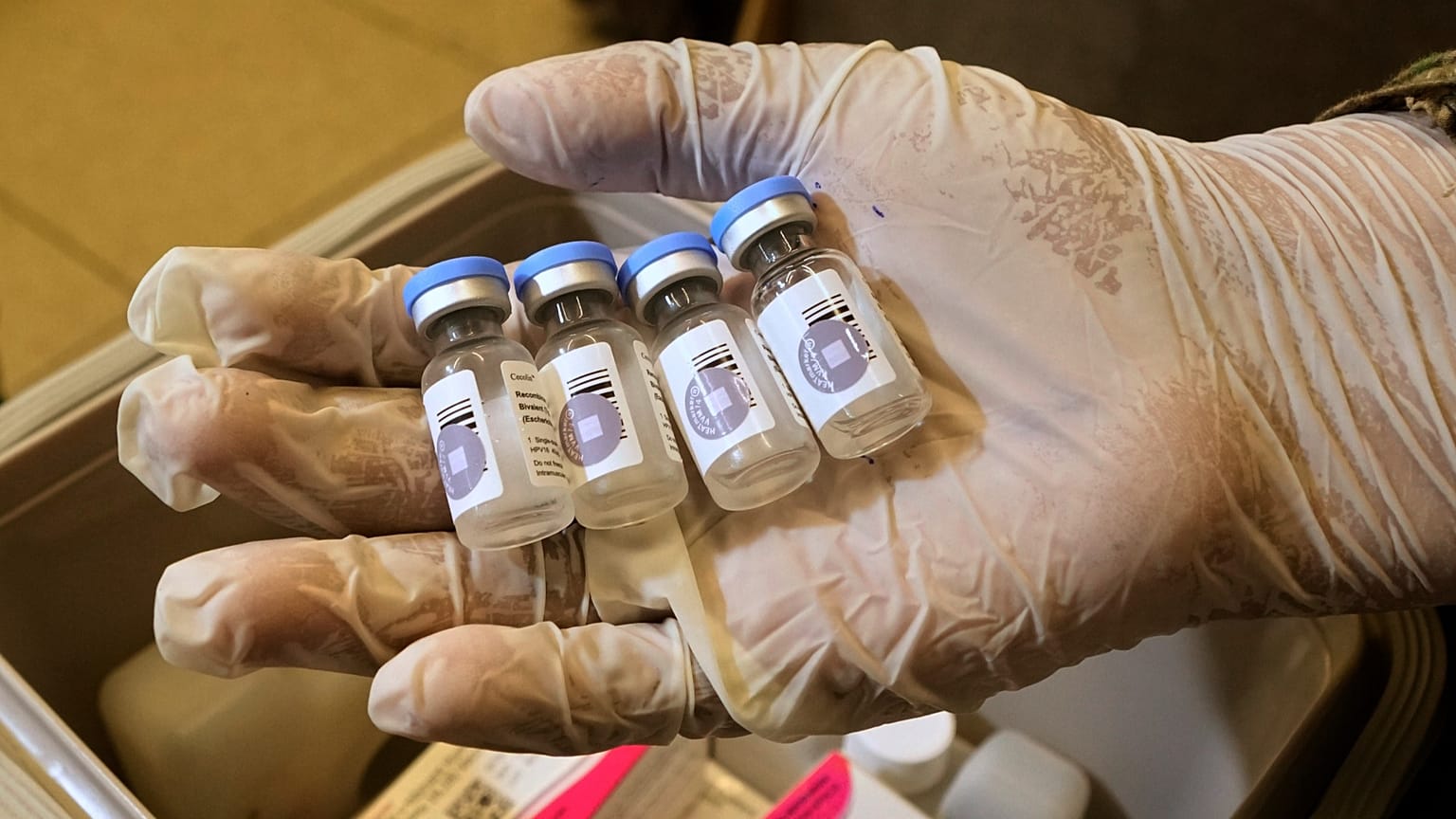
A comprehensive review by the nonprofit research group Cochrane has confirmed that the human papillomavirus (HPV) vaccine significantly lowers the risk of cervical cancer among girls vaccinated before the age of 16. According to the findings, these girls are 80 percent less likely to develop cervical cancer compared to their unvaccinated peers. The study indicates that the vaccine is effective in preventing precancerous changes in cervical and other tissues, especially when administered prior to exposure to the virus.
This extensive analysis included clinical trials and real-world studies involving over 132 million individuals. “We now have clear and consistent evidence from around the world that HPV vaccination prevents cervical cancer,” stated Nicholas Henschke, a lead author of the study and head of Cochrane Response.
The HPV virus comprises a family of common viruses, some of which can lead to various cancers, including those of the cervix, anus, penis, vulva, vagina, mouth, and throat. Cervical cancer remains one of the most prevalent cancers among women, with approximately 660,000 new cases and around 350,000 deaths reported globally in 2022, according to the World Health Organization (WHO). The disease disproportionately affects younger women, making vaccination crucial.
Addressing Concerns Over Side Effects
HPV vaccines such as Cervarix and Gardasil have been heralded as major advancements in preventing cervical cancer since their introduction in the early 2000s. However, they have also faced controversy, particularly surrounding claims made against their safety. Merck & Co, the manufacturer of Gardasil, has been entangled in lawsuits alleging that the company misrepresented the vaccine’s safety. Earlier this year, a U.S. judge ruled in favor of Merck, deeming these claims “speculative inferences.”
Despite the controversies, vaccination rates have improved in some European nations, such as Spain and Germany, while they have declined in others like the United Kingdom and Italy. The Cochrane researchers highlighted social media misinformation as a significant factor contributing to fluctuating vaccination rates and sought to determine the validity of these concerns.
Dr. Jo Morrison, a co-author of the study and a gynaecological oncologist, emphasized the importance of providing an independent and thorough review of existing literature. She noted that their findings indicate HPV vaccinations primarily cause minor side effects, such as temporary soreness at the injection site. After comparing reports of severe safety issues with real-world follow-up data, the researchers found no evidence linking serious side effects to vaccination. Notably, adverse reactions were found to occur at similar rates in both vaccinated and unvaccinated groups.
Supporting Global Vaccination Efforts
The findings from the Cochrane reviews reinforce recommendations for both girls and boys to receive the HPV vaccine, ideally before the age of 16. Vaccination prior to exposure to the virus or sexual activity provides the greatest protection. While initially recommended only for females, many countries are now expanding their vaccination programs to include males as well. “Vaccinating boys as well as girls boosts protection for everyone,” Dr. Morrison stated.
The Cochrane team also identified gaps in the existing evidence base regarding HPV vaccination, noting that most research has been conducted in wealthier countries. More studies are necessary in lower-income nations, where the burden of cervical cancer is significantly higher. The researchers anticipate that further investigations will elucidate how the HPV vaccine may impact other cancers associated with the virus, which often manifest later in life. “It will take decades to fully understand the impact of vaccination,” Dr. Morrison concluded.
As public health initiatives continue to promote HPV vaccination, the findings from this major review offer a robust endorsement of the vaccine’s effectiveness and safety, highlighting its critical role in preventing cervical cancer globally.

Mother Reveals Daughter’s Meningitis Seizure After Night Out

Major Oil Spill Disrupts Traffic in Donegal on March 16, 2026

Discovering Literature: The Joys of Rejoining a Public Library

Ted Season 2 Announced: Release Date & Trailer Updates Revealed

Research Ireland and UKRI Forge New Collaboration Agreement

David McGoldrick’s Impressive Scoring Streak Sparks World Cup Talk

Plane Crash Claims Lives of Publishing Heir, Pregnant Wife, and Pilot

Oscars Snub Brigitte Bardot Sparks Controversy Over In Memoriam

Meta Plans Major Layoffs to Offset Rising AI Investment Costs

Tributes Surge for 9-Year-Old Leon Briody After Cancer Battle

Aimee Osbourne Joins Family for Emotional Tribute to Ozzy

Danny Healy-Rae Considers Complaint After Altercation with Garda

Hawaii Commemorates 80 Years Since Hiroshima Bombing with Ceremony

Ireland Enjoys Summer Heat as Hurricane Erin Approaches Atlantic

Couple Convicted of Murdering Two-Year-Old Grandson in Wales

Gaza Aid Distribution Tragedy: 20 Killed Amid Ongoing Violence

Newcastle West Woman Patricia Foley Found Safe After Urgent Search

Fianna Fáil TDs Urgently Consider Maire Geoghegan-Quinn for Presidency
-
 Top Stories10 months ago
Tributes Surge for 9-Year-Old Leon Briody After Cancer Battle
-
 Entertainment12 months ago
Aimee Osbourne Joins Family for Emotional Tribute to Ozzy
-
 Politics12 months ago
Danny Healy-Rae Considers Complaint After Altercation with Garda
-
 World12 months ago
Hawaii Commemorates 80 Years Since Hiroshima Bombing with Ceremony
-
 Top Stories11 months ago
Ireland Enjoys Summer Heat as Hurricane Erin Approaches Atlantic
-
 World12 months ago
Couple Convicted of Murdering Two-Year-Old Grandson in Wales
-
 World12 months ago
Gaza Aid Distribution Tragedy: 20 Killed Amid Ongoing Violence
-
 Top Stories10 months ago
Newcastle West Woman Patricia Foley Found Safe After Urgent Search
-
 Top Stories12 months ago
Fianna Fáil TDs Urgently Consider Maire Geoghegan-Quinn for Presidency
-

 World12 months ago
Aristocrat Constance Marten and Partner Convicted of Infant Murder
-

 Top Stories11 months ago
Climbing Errigal: A Must-Do Summer Adventure in Donegal
-

 Top Stories11 months ago
Hike Donegal’s Errigal Mountain NOW for Unforgettable Summer Views