
World
Ukraine Negotiators Push for Changes to Trump’s Peace Plan

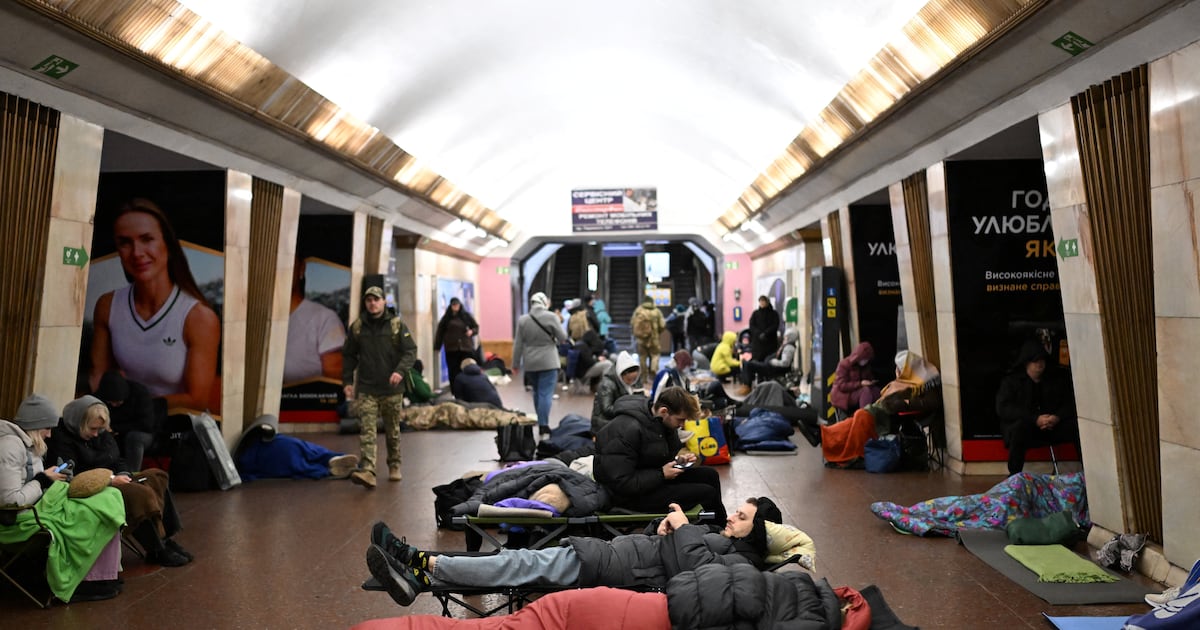
Ukrainian negotiators have reportedly secured modifications to a 28-point peace plan proposed by the United States. Discussions between Donald Trump and Volodymyr Zelenskiy will address the most contentious issues, with significant implications for Ukraine’s future. The outcome of these talks could determine the level of support Ukraine receives from its European allies.
Following the initial reaction to the proposed plan, which raised concerns among European capitals, negotiators convened in Geneva over the recent weekend to present a counterproposal. Ukraine successfully persuaded Washington to condense the plan to 19 points, temporarily excluding several international elements deemed outside Ukraine’s jurisdiction.
As part of the evolving negotiations, Trump has abandoned his earlier deadline for Ukraine to accept the proposal by Thanksgiving. It is anticipated that the meeting between the two leaders will take place next week, where they will discuss key issues such as territorial concessions and the nature of U.S. security guarantees against further Russian aggression.
European leaders appear to align with the stance that Ukraine should not pursue the recovery of lost territories, advocating instead for negotiations to commence from the current front lines. They propose that the security arrangements should resemble NATO’s Article 5 commitment, albeit with the understanding that NATO would not station troops in Ukraine during peacetime.
Both the U.S. and Europe are in agreement regarding a gradual lifting of sanctions on Russia and the potential for Russia’s return to the Group of Eight (G8). However, disagreements remain regarding the future of Russian financial assets frozen in Europe. The European Union is exploring options to utilize these assets as collateral for loans intended to support Ukraine’s military efforts. This approach aims to earmark the assets for future reparations from Russia.
In contrast, the U.S. has expressed a desire to unfreeze these assets, proposing to allocate $100 billion for reconstruction efforts in Ukraine, with the U.S. government claiming half of any ensuing profits. This funding strategy places additional financial pressure on European nations, which may face demands to contribute an equivalent amount from their own resources.
Ukraine’s military operations depend heavily on American weaponry, which is largely financed by European nations. Furthermore, U.S. intelligence plays a crucial role in providing warnings about impending Russian strikes. Trump has previously suspended intelligence sharing as a means to exert pressure on Ukraine, and this tactic could resurface in the ongoing negotiations. The loss of U.S. intelligence would significantly hinder Ukraine’s defensive capabilities, as European allies would struggle to fill that void.
If Trump withdraws support, Kyiv’s European allies may find themselves with limited options. The EU would likely face challenges in garnering unanimous support for seizing Russian assets to bolster Ukraine’s military assistance. The impact of lifting U.S. sanctions would also diminish the effectiveness of European economic sanctions on Russia.
In this complex dynamic, Ukraine and its European partners can exert some influence over Trump, particularly if Vladimir Putin remains unyielding. However, it appears that they may ultimately need to accept some iteration of his peace plan.
The situation is marked by a tragic irony: Ukraine and Russia nearly reached a peace agreement in April 2022, shortly after the onset of the full-scale invasion. That draft, stemming from talks in Istanbul on April 15, included more robust security guarantees, such as a no-fly zone in the event of renewed aggression. It also did not require extensive territorial concessions from Ukraine and treated many territorial disputes as unresolved.
Under that earlier proposal, Ukraine would have adopted a neutral stance and renounced NATO membership while being permitted to pursue EU membership. Both plans reaffirmed Ukraine’s non-nuclear status and included provisions for judicial amnesty concerning war crimes.
Since the beginning of the conflict, approximately 1.4 million people—including one million Russians and 400,000 Ukrainians—have lost their lives, with most casualties occurring after the failed Istanbul talks. As the international community watches closely, the stakes for Ukraine’s future remain high, with the potential for significant changes on the horizon.

Urgent Hack to Prevent Bedroom Condensation This Winter

Irish Stone Lifting Revolution Gains Momentum Amid Covid Recovery

Health Insurers Hike Prices Again; Average Premiums Near €2,000

Health Insurers Hike Prices Again: Average Premiums Soar 8%

Dublin Man Gets 20-Month Suspended Sentence for Money Laundering

Transforming Teen Anxiety: Building Self-Belief Through Experience

Helen Flanagan Dazzles in Red Lingerie Amid Online Criticism

Former Councillor Receives Suspended Sentence for Harassment

New Research Reveals Connection’s Role in Audio Consumption

Tributes Surge for 9-Year-Old Leon Briody After Cancer Battle

Aimee Osbourne Joins Family for Emotional Tribute to Ozzy

Danny Healy-Rae Considers Complaint After Altercation with Garda

Ireland Enjoys Summer Heat as Hurricane Erin Approaches Atlantic

Hawaii Commemorates 80 Years Since Hiroshima Bombing with Ceremony

Newcastle West Woman Patricia Foley Found Safe After Urgent Search

Fianna Fáil TDs Urgently Consider Maire Geoghegan-Quinn for Presidency

Couple Convicted of Murdering Two-Year-Old Grandson in Wales

Gaza Aid Distribution Tragedy: 20 Killed Amid Ongoing Violence
-
 Top Stories3 months ago
Tributes Surge for 9-Year-Old Leon Briody After Cancer Battle
-
 Entertainment4 months ago
Aimee Osbourne Joins Family for Emotional Tribute to Ozzy
-
 Politics4 months ago
Danny Healy-Rae Considers Complaint After Altercation with Garda
-
 Top Stories4 months ago
Ireland Enjoys Summer Heat as Hurricane Erin Approaches Atlantic
-
 World5 months ago
Hawaii Commemorates 80 Years Since Hiroshima Bombing with Ceremony
-
 Top Stories3 months ago
Newcastle West Woman Patricia Foley Found Safe After Urgent Search
-
 Top Stories5 months ago
Fianna Fáil TDs Urgently Consider Maire Geoghegan-Quinn for Presidency
-
 World5 months ago
Couple Convicted of Murdering Two-Year-Old Grandson in Wales
-
 World5 months ago
Gaza Aid Distribution Tragedy: 20 Killed Amid Ongoing Violence
-

 World5 months ago
Aristocrat Constance Marten and Partner Convicted of Infant Murder
-

 Top Stories4 months ago
Climbing Errigal: A Must-Do Summer Adventure in Donegal
-

 Top Stories4 months ago
Hike Donegal’s Errigal Mountain NOW for Unforgettable Summer Views