
Health
Ireland’s Nursing Workforce Grows, Yet Overseas Staff Remain Essential

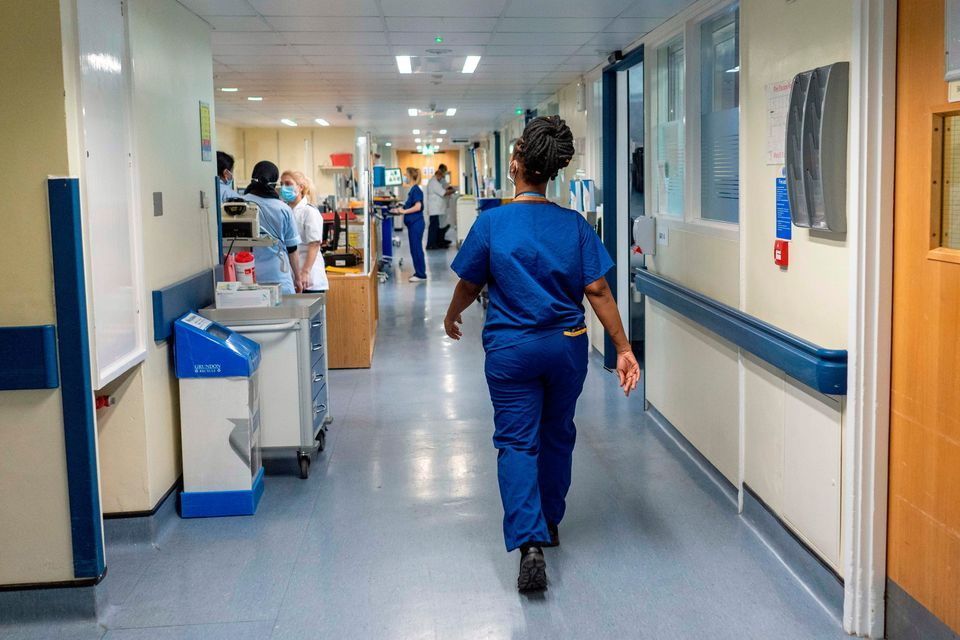
Ireland’s healthcare system has reached a milestone with a record number of registered nurses, yet it remains heavily dependent on overseas professionals to provide patient care. According to the latest annual report from the Nursing and Midwifery Board of Ireland (NMBI), as of June this year, there are 92,385 nurses and midwives on the register, marking a 3 percent increase from the previous year. Despite the growing domestic workforce, international nurses continue to play a critical role in delivering healthcare services across the nation.
The report indicates a positive trend in the number of nurses educated in Ireland choosing to remain and work within the country. The total number of practicing and patient-facing nurses has now risen to 86,948. Over the past four years, the number of registered nurses and midwives has increased by 13.45 percent, reflecting a gradual shift towards a more locally educated workforce.
While there has been a notable decrease in the number of new registrants educated abroad, the NMBI highlights a steady influx of Irish graduates joining the register. In 2025, 1,649 new Irish-educated nurses and midwives were added, a 5 percent increase compared to 2024. This shift indicates a growing commitment among domestic graduates to contribute to the local healthcare system.
Despite these encouraging statistics, the NMBI underscores the ongoing reliance on overseas nurses. Among the practicing nurses, 41,938 are Irish-educated, while 42,432 are from non-EU countries, with another 2,578 coming from EU nations. The majority of these international nurses hail from India and the Philippines, highlighting the global nature of Ireland’s nursing workforce.
A significant factor in this trend is the decreasing number of nurses seeking a Certificate of Current Professional Status (CCPS) to work abroad. The NMBI reported a steady decline in CCPS applications, suggesting that fewer nurses are opting to register in other jurisdictions. This change may reflect a shift in priorities as more professionals choose to practice within Ireland.
In light of these developments, Minister for Health Jennifer Carroll MacNeill expressed optimism about the increasing number of Irish-educated nurses entering the workforce. She stated, “The number of Irish-educated graduate nurses and midwives coming onto the NMBI Register is increasing year on year. In addition, Irish-educated and registered nurses and midwives are opting to stay and practice in Ireland. This is positive news and is important for workforce planning and long-term stability in our health services.”
The NMBI’s Chief Executive Officer, Carolyn Donohoe, also highlighted the importance of these figures, saying, “The comprehensive data, provided in the NMBI State of the Register, supports our collective efforts to ensure the Irish healthcare system is equipped to meet future needs. It is heartening to note that there are now 92,385 nurses and midwives on the NMBI Register, which is a 3 percent increase on the previous year, and the highest number recorded to date.”
As Ireland continues to develop its nursing workforce, the balance between domestic and international staff will be crucial in ensuring the sustainability and effectiveness of its healthcare services. The commitment of both locally educated nurses and those from abroad will undoubtedly shape the future landscape of healthcare in Ireland.

Mother Reveals Daughter’s Meningitis Seizure After Night Out

Major Oil Spill Disrupts Traffic in Donegal on March 16, 2026

Discovering Literature: The Joys of Rejoining a Public Library

Ted Season 2 Announced: Release Date & Trailer Updates Revealed

Research Ireland and UKRI Forge New Collaboration Agreement

David McGoldrick’s Impressive Scoring Streak Sparks World Cup Talk

Plane Crash Claims Lives of Publishing Heir, Pregnant Wife, and Pilot

Oscars Snub Brigitte Bardot Sparks Controversy Over In Memoriam

Meta Plans Major Layoffs to Offset Rising AI Investment Costs

Tributes Surge for 9-Year-Old Leon Briody After Cancer Battle

Aimee Osbourne Joins Family for Emotional Tribute to Ozzy

Danny Healy-Rae Considers Complaint After Altercation with Garda

Hawaii Commemorates 80 Years Since Hiroshima Bombing with Ceremony

Ireland Enjoys Summer Heat as Hurricane Erin Approaches Atlantic

Couple Convicted of Murdering Two-Year-Old Grandson in Wales

Gaza Aid Distribution Tragedy: 20 Killed Amid Ongoing Violence

Newcastle West Woman Patricia Foley Found Safe After Urgent Search

Fianna Fáil TDs Urgently Consider Maire Geoghegan-Quinn for Presidency
-
 Top Stories10 months ago
Tributes Surge for 9-Year-Old Leon Briody After Cancer Battle
-
 Entertainment12 months ago
Aimee Osbourne Joins Family for Emotional Tribute to Ozzy
-
 Politics12 months ago
Danny Healy-Rae Considers Complaint After Altercation with Garda
-
 World12 months ago
Hawaii Commemorates 80 Years Since Hiroshima Bombing with Ceremony
-
 Top Stories11 months ago
Ireland Enjoys Summer Heat as Hurricane Erin Approaches Atlantic
-
 World12 months ago
Couple Convicted of Murdering Two-Year-Old Grandson in Wales
-
 World12 months ago
Gaza Aid Distribution Tragedy: 20 Killed Amid Ongoing Violence
-
 Top Stories10 months ago
Newcastle West Woman Patricia Foley Found Safe After Urgent Search
-
 Top Stories12 months ago
Fianna Fáil TDs Urgently Consider Maire Geoghegan-Quinn for Presidency
-

 World12 months ago
Aristocrat Constance Marten and Partner Convicted of Infant Murder
-

 Top Stories11 months ago
Climbing Errigal: A Must-Do Summer Adventure in Donegal
-

 Top Stories11 months ago
Hike Donegal’s Errigal Mountain NOW for Unforgettable Summer Views