
Health
Urgent Action Needed as HIV Diagnoses Surge Across Europe

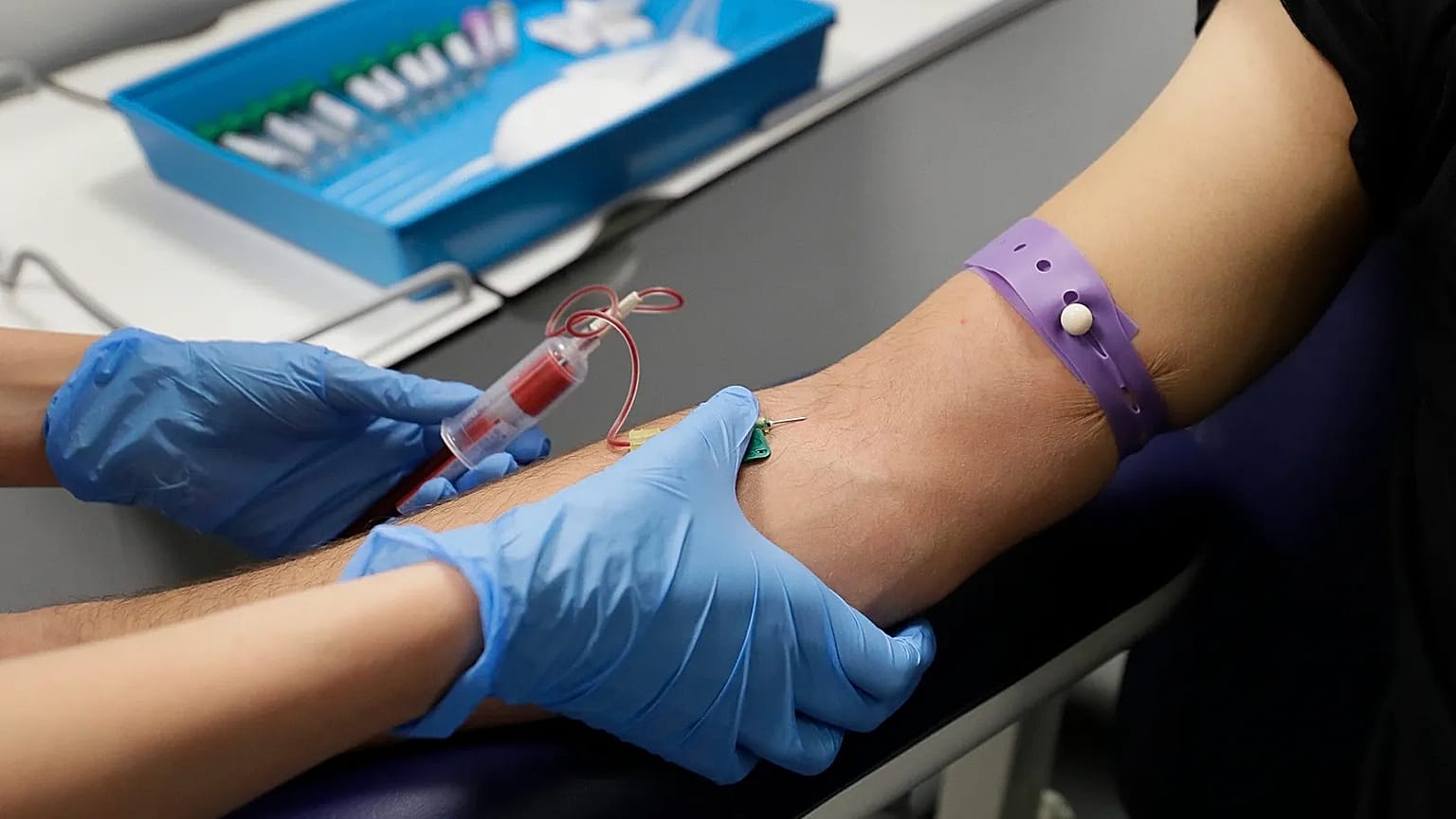
A new report from the World Health Organization (WHO) and the European Centre for Disease Prevention and Control has revealed a concerning trend regarding HIV diagnoses in Europe. Over half of the individuals diagnosed with HIV in 2024 received their diagnosis too late for effective treatment. This delay poses significant health risks and highlights an urgent need for improved prevention, testing, and public awareness efforts across the continent.
The report, published on March 14, 2024, indicates that a total of 105,922 people were diagnosed with HIV in Europe last year. Alarmingly, more than half of these diagnoses were classified as late, with 33.6% of cases detected at an advanced stage of the virus. Cumulatively, since the 1980s, Europe has reported 2.68 million HIV diagnoses, underscoring the ongoing challenge of managing this public health issue.
Dr. Henri Kluge, the regional director for WHO Europe, emphasized the critical importance of early diagnosis. He stated, “We are not doing enough to remove the deadly barriers of stigma and discrimination that prevent people from seeking out a simple test.” Early diagnosis is essential, he noted, as it is not merely a privilege but a gateway to a long, healthy life and crucial for halting the progression of HIV.
Rising Numbers of Undiagnosed Cases
The report also highlights a troubling increase in the number of people living with undiagnosed HIV. This rise is indicated by discrepancies between expected and reported cases, which Dr. Kluge referred to as “a silent crisis that’s fuelling transmission.” While reported infections in Europe have generally decreased over the past decade, the report warns that this decline may be misleading. Many countries experienced a spike in testing following the COVID-19 pandemic, which may have temporarily inflated figures.
Countries with the highest rates of late diagnoses include Bosnia and Herzegovina at 80.6%, North Macedonia at 74.5%, and Croatia at 68.3%. Conversely, Finland and Cyprus reported the lowest proportions of late diagnoses, at 27% and 41%, respectively. These statistics reveal a stark contrast in testing and treatment access across the region.
Transmission and Treatment Insights
HIV attacks the immune system, leaving individuals vulnerable to other infections. Without proper treatment, the virus can progress to AIDS. While a cure remains elusive, effective treatment options allow those living with HIV to lead normal lives. Last year, 7,161 AIDS diagnoses were recorded in the European region; however, the report notes that significant countries, including Germany, Spain, and Sweden, did not submit data, suggesting that the actual figures may be much higher.
In 2024, the primary mode of HIV transmission was heterosexual sex, accounting for 62% of diagnosed cases. This was followed by sex between men, which represented 13%, and injecting drug use at 12%.
The findings from this report serve as a call to action for European nations to enhance their public health strategies, focusing on breaking down the stigma surrounding HIV and ensuring that testing and treatment are accessible to all. As Dr. Kluge aptly put it, addressing these challenges is essential to prevent further transmission and improve health outcomes for those affected by this virus.

Mother Reveals Daughter’s Meningitis Seizure After Night Out

Major Oil Spill Disrupts Traffic in Donegal on March 16, 2026

Discovering Literature: The Joys of Rejoining a Public Library

Ted Season 2 Announced: Release Date & Trailer Updates Revealed

Research Ireland and UKRI Forge New Collaboration Agreement

David McGoldrick’s Impressive Scoring Streak Sparks World Cup Talk

Plane Crash Claims Lives of Publishing Heir, Pregnant Wife, and Pilot

Oscars Snub Brigitte Bardot Sparks Controversy Over In Memoriam

Meta Plans Major Layoffs to Offset Rising AI Investment Costs

Tributes Surge for 9-Year-Old Leon Briody After Cancer Battle

Aimee Osbourne Joins Family for Emotional Tribute to Ozzy

Danny Healy-Rae Considers Complaint After Altercation with Garda

Hawaii Commemorates 80 Years Since Hiroshima Bombing with Ceremony

Ireland Enjoys Summer Heat as Hurricane Erin Approaches Atlantic

Couple Convicted of Murdering Two-Year-Old Grandson in Wales

Gaza Aid Distribution Tragedy: 20 Killed Amid Ongoing Violence

Newcastle West Woman Patricia Foley Found Safe After Urgent Search

Fianna Fáil TDs Urgently Consider Maire Geoghegan-Quinn for Presidency
-
 Top Stories10 months ago
Tributes Surge for 9-Year-Old Leon Briody After Cancer Battle
-
 Entertainment12 months ago
Aimee Osbourne Joins Family for Emotional Tribute to Ozzy
-
 Politics12 months ago
Danny Healy-Rae Considers Complaint After Altercation with Garda
-
 World1 year ago
Hawaii Commemorates 80 Years Since Hiroshima Bombing with Ceremony
-
 Top Stories11 months ago
Ireland Enjoys Summer Heat as Hurricane Erin Approaches Atlantic
-
 World1 year ago
Couple Convicted of Murdering Two-Year-Old Grandson in Wales
-
 World1 year ago
Gaza Aid Distribution Tragedy: 20 Killed Amid Ongoing Violence
-
 Top Stories10 months ago
Newcastle West Woman Patricia Foley Found Safe After Urgent Search
-
 Top Stories12 months ago
Fianna Fáil TDs Urgently Consider Maire Geoghegan-Quinn for Presidency
-

 World1 year ago
Aristocrat Constance Marten and Partner Convicted of Infant Murder
-

 Top Stories12 months ago
Climbing Errigal: A Must-Do Summer Adventure in Donegal
-

 Top Stories12 months ago
Hike Donegal’s Errigal Mountain NOW for Unforgettable Summer Views