
Health
Documentary Highlights Coercive Control’s Hidden Impact on Lives

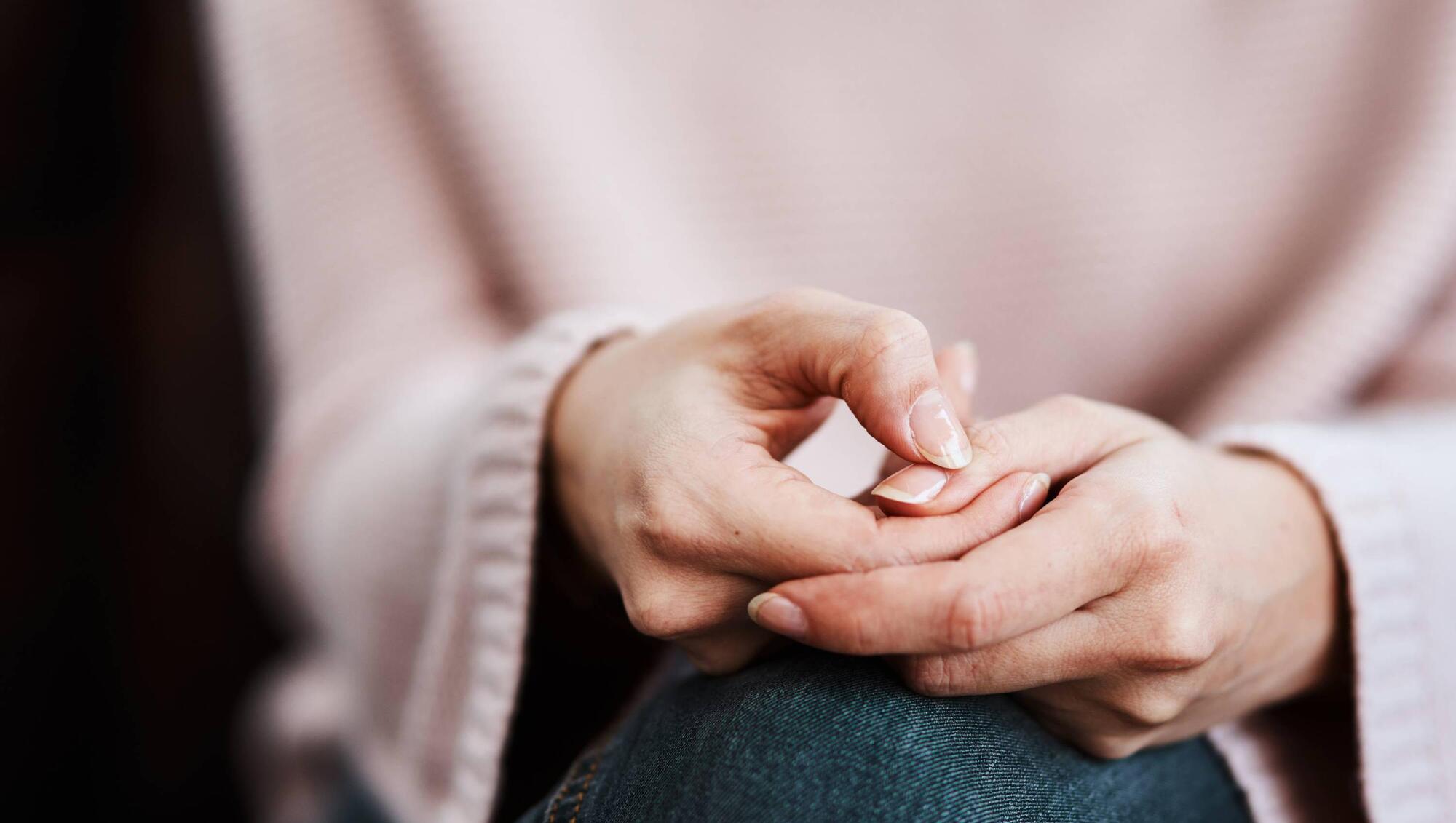
A recent documentary titled Taking Back Control aired on RTÉ, bringing critical attention to the issue of coercive control in relationships. The film features the personal account of Nicola Hanney, who shared her experience of surviving coercive control perpetrated by a member of An Garda Síochána. This documentary serves not only as a personal narrative but also as an essential resource for understanding the dynamics and warning signs of coercive control.
Understanding Coercive Control
Coercive control is defined by Women’s Aid as a persistent pattern of controlling, coercive, and threatening behaviour. It encompasses various forms of domestic abuse, including emotional, financial, physical, and sexual violence. Such control can be exerted by a current partner or an ex-partner and can create an environment where the victim feels trapped, making it difficult or dangerous to escape. Recognizing the gravity of this issue, Ireland has classified coercive control as a criminal offence under Section 39 of the Domestic Violence Act 2018.
The signs of coercive control can manifest in numerous ways. According to Safe Ireland, common behaviours include stalking, making threats, isolation from friends and family, intimidation, and various forms of coercion. Mary Crilly, CEO of the Sexual Violence Centre Cork, emphasized that coercive control often involves isolating victims and depriving them of basic necessities, such as food and electricity.
Identifying the Signs
Victims may experience a total loss of autonomy, with abusers closely monitoring their actions. This includes tracking mileage on vehicles or scrutinizing online communications. Isolation is a critical tactic, as abusers often undermine the support systems of their victims, further entrenching them in a cycle of control. Mary-Louise Lynch, founder of Sisi, a collective of women survivors of intimate abuse, noted that victims may also face tactics designed to degrade them, such as consistently belittling their self-worth or threatening to disclose private information.
The emotional and physical impacts of coercive control can be profound. As highlighted by Women’s Aid, victims may find themselves cut off from family and friends or forced to leave their jobs, leading to significant long-term consequences for their well-being.
For those concerned about individuals they suspect may be experiencing coercive control, support is available. Women’s Aid provides a range of resources and advice on how to approach sensitive situations. Lynch advises friends and family to remain persistent and supportive, even if the victim appears to withdraw. Regular check-ins can reinforce that support is available when the victim is ready to seek help.
For individuals who recognize these signs in their own relationships, immediate action is crucial. The Women’s Aid 24-hour National Freephone Helpline is available at 1800 341 900 for anyone seeking confidential advice and support. Additional resources can be found on safeireland.ie and information about reporting coercive control is accessible at garda.ie.
The documentary Taking Back Control emphasizes the urgency of addressing coercive control and the importance of awareness in preventing further abuse. By understanding the signs and knowing where to seek help, individuals can take crucial steps toward reclaiming their autonomy and safety.

Urgent Hack to Prevent Bedroom Condensation This Winter

Irish Stone Lifting Revolution Gains Momentum Amid Covid Recovery

Health Insurers Hike Prices Again; Average Premiums Near €2,000

Health Insurers Hike Prices Again: Average Premiums Soar 8%

Dublin Man Gets 20-Month Suspended Sentence for Money Laundering

Transforming Teen Anxiety: Building Self-Belief Through Experience

Helen Flanagan Dazzles in Red Lingerie Amid Online Criticism

Former Councillor Receives Suspended Sentence for Harassment

New Research Reveals Connection’s Role in Audio Consumption

Tributes Surge for 9-Year-Old Leon Briody After Cancer Battle

Aimee Osbourne Joins Family for Emotional Tribute to Ozzy

Danny Healy-Rae Considers Complaint After Altercation with Garda

Ireland Enjoys Summer Heat as Hurricane Erin Approaches Atlantic

Hawaii Commemorates 80 Years Since Hiroshima Bombing with Ceremony

Newcastle West Woman Patricia Foley Found Safe After Urgent Search

Fianna Fáil TDs Urgently Consider Maire Geoghegan-Quinn for Presidency

Couple Convicted of Murdering Two-Year-Old Grandson in Wales

Gaza Aid Distribution Tragedy: 20 Killed Amid Ongoing Violence
-
 Top Stories3 months ago
Tributes Surge for 9-Year-Old Leon Briody After Cancer Battle
-
 Entertainment4 months ago
Aimee Osbourne Joins Family for Emotional Tribute to Ozzy
-
 Politics4 months ago
Danny Healy-Rae Considers Complaint After Altercation with Garda
-
 Top Stories4 months ago
Ireland Enjoys Summer Heat as Hurricane Erin Approaches Atlantic
-
 World5 months ago
Hawaii Commemorates 80 Years Since Hiroshima Bombing with Ceremony
-
 Top Stories3 months ago
Newcastle West Woman Patricia Foley Found Safe After Urgent Search
-
 Top Stories5 months ago
Fianna Fáil TDs Urgently Consider Maire Geoghegan-Quinn for Presidency
-
 World5 months ago
Couple Convicted of Murdering Two-Year-Old Grandson in Wales
-
 World5 months ago
Gaza Aid Distribution Tragedy: 20 Killed Amid Ongoing Violence
-

 World5 months ago
Aristocrat Constance Marten and Partner Convicted of Infant Murder
-

 Top Stories4 months ago
Climbing Errigal: A Must-Do Summer Adventure in Donegal
-

 Top Stories4 months ago
Hike Donegal’s Errigal Mountain NOW for Unforgettable Summer Views