
World
New Orleans Faces Challenges as ICE Agents Prepare for Operation

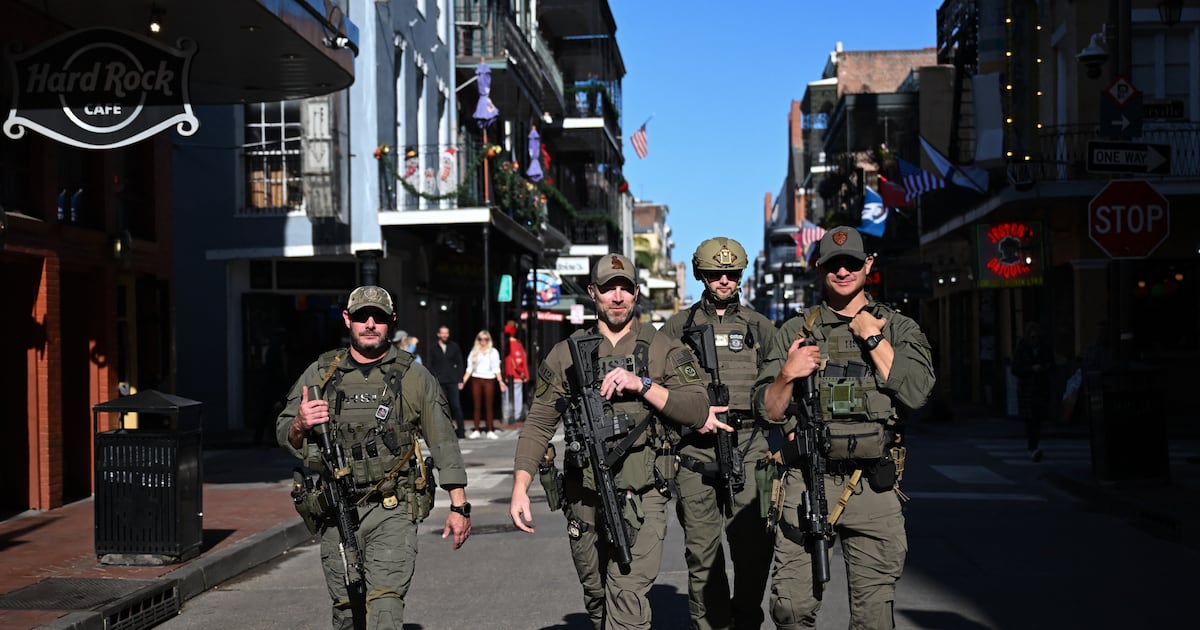
New Orleans is bracing for significant changes as federal agents prepare to launch a major immigration enforcement operation, known as “Operation Swamp Sweep,” in December. This initiative will impact approximately 5,000 undocumented individuals in the city and surrounding areas. The announcement has generated a wave of anxiety among residents, particularly within immigrant communities that have played crucial roles in the city’s recovery since Hurricane Katrina.
The city, affectionately known as “The Big Easy,” has a rich history of resilience and cultural vibrancy, yet it faces ongoing challenges. In 2025, New Orleans marked the somber 20th anniversary of Hurricane Katrina, reflecting on its recovery journey while confronting new obstacles. Earlier this year, a tragic vehicle attack occurred in the French Quarter on New Year’s Day, leaving the community shaken. Following this, newly elected mayor Helena Moreno revealed plans for severe budget cuts to address an inherited debt of $87 million, further complicating the city’s financial landscape.
Tensions between New Orleans and the state of Louisiana are longstanding. Governor Jeff Landry has shown resistance to the city’s attempts to secure financial support, even rejecting a request for a $125 million bond bailout aimed at ensuring payroll commitments. Local residents perceive this as indicative of a broader resentment from state officials towards New Orleans, a city that historically generates substantial revenue for Louisiana.
As part of the ongoing migration of residents back to the city, many have shared their stories of displacement during Hurricane Katrina. The storm, which made landfall on August 29, 2005, caused catastrophic flooding, resulting in a dramatic drop in the city’s population from around 460,000 in 2004 to just 200,000 shortly after the disaster. The current population stands at approximately 384,000.
In the Lower Ninth Ward, a historically Black community that suffered significantly during the flooding, local leaders like Laura Paul have dedicated themselves to supporting “legacy” residents—those who lived in the area prior to the storm. Paul runs a non-profit organization, lowernine.org, focused on helping residents rebuild their homes. This area, characterized by its unique architectural style, has seen both revitalization and gentrification in the years since Katrina.
Paul and her volunteers often educate visitors about the ongoing struggles faced by the Lower Ninth Ward. The community was declared uninhabitable after the flood, and there was significant debate about the justification for rebuilding. As they navigate the complexities of recovery, volunteers often work to restore homes that adhere to the strict guidelines set by the Historic Districts Landmarks Commission.
The Lower Ninth Ward is not just a geographical entity; it embodies the spirit and resilience of New Orleans. While the area has made strides in recovery, the threat of gentrification looms large. As Paul notes, property values have soared since the storm, leading to increased taxation that can drive long-time residents out. For example, a home that once valued at $56,000 before Katrina is now selling for upwards of $350,000, reflecting the drastic shift in the housing market.
Meanwhile, the cultural essence of New Orleans remains intact. Despite looming challenges, local residents express a strong commitment to their city. Long-term resident Jason Berry emphasizes the importance of community and the need to embrace the city’s unique rhythm. He believes that the roots of the historical tension between the city and state officials are deeply entrenched, often stemming from systemic racism and class divides.
As the city prepares for the impending immigration operation, anxiety is palpable. Moreno has initiated a “Know Your Rights” program to inform residents amid fears of increased enforcement actions. Local activists and community leaders warn that these measures could disproportionately affect the very individuals who contributed to the city’s recovery following the devastation of Hurricane Katrina.
With a significant drop in violent crime—New Orleans reported a 20 percent decrease in overall violent crime in the first half of 2024—many residents express hope that the cultural richness of the city will endure. Laura Paul reflects on the unique challenges of the Lower Ninth Ward, noting that despite the complexities, the spirit of community and resilience persists.
As New Orleans navigates these tumultuous waters, the city’s character remains defined by its rich history and vibrant culture. The upcoming operation and budget cuts present new challenges, yet the community’s resilience continues to shine through, reinforcing the notion that the spirit of New Orleans is not easily extinguished.

Irish Stone Lifting Revolution Gains Momentum Amid Covid Recovery

Health Insurers Hike Prices Again; Average Premiums Near €2,000

Health Insurers Hike Prices Again: Average Premiums Soar 8%

Dublin Man Gets 20-Month Suspended Sentence for Money Laundering

Transforming Teen Anxiety: Building Self-Belief Through Experience

Helen Flanagan Dazzles in Red Lingerie Amid Online Criticism

Former Councillor Receives Suspended Sentence for Harassment

New Research Reveals Connection’s Role in Audio Consumption

Neville Critiques Manchester United’s Softness After West Ham Draw

Tributes Surge for 9-Year-Old Leon Briody After Cancer Battle

Aimee Osbourne Joins Family for Emotional Tribute to Ozzy

Danny Healy-Rae Considers Complaint After Altercation with Garda

Ireland Enjoys Summer Heat as Hurricane Erin Approaches Atlantic

Hawaii Commemorates 80 Years Since Hiroshima Bombing with Ceremony

Newcastle West Woman Patricia Foley Found Safe After Urgent Search

Fianna Fáil TDs Urgently Consider Maire Geoghegan-Quinn for Presidency

Couple Convicted of Murdering Two-Year-Old Grandson in Wales

Gaza Aid Distribution Tragedy: 20 Killed Amid Ongoing Violence
-
 Top Stories3 months ago
Tributes Surge for 9-Year-Old Leon Briody After Cancer Battle
-
 Entertainment4 months ago
Aimee Osbourne Joins Family for Emotional Tribute to Ozzy
-
 Politics4 months ago
Danny Healy-Rae Considers Complaint After Altercation with Garda
-
 Top Stories4 months ago
Ireland Enjoys Summer Heat as Hurricane Erin Approaches Atlantic
-
 World5 months ago
Hawaii Commemorates 80 Years Since Hiroshima Bombing with Ceremony
-
 Top Stories3 months ago
Newcastle West Woman Patricia Foley Found Safe After Urgent Search
-
 Top Stories5 months ago
Fianna Fáil TDs Urgently Consider Maire Geoghegan-Quinn for Presidency
-
 World5 months ago
Couple Convicted of Murdering Two-Year-Old Grandson in Wales
-
 World5 months ago
Gaza Aid Distribution Tragedy: 20 Killed Amid Ongoing Violence
-

 World5 months ago
Aristocrat Constance Marten and Partner Convicted of Infant Murder
-

 Top Stories4 months ago
Climbing Errigal: A Must-Do Summer Adventure in Donegal
-

 Top Stories4 months ago
Hike Donegal’s Errigal Mountain NOW for Unforgettable Summer Views