
Top Stories
Bluetongue Virus Outbreak Investigated in Co Down Cattle

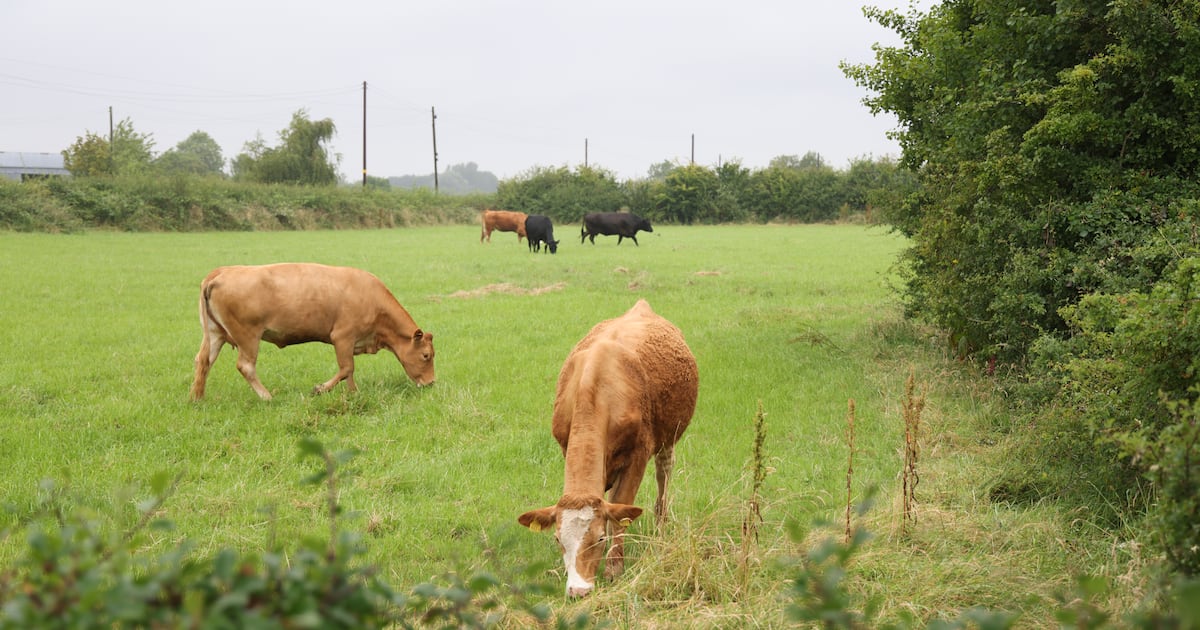
The first suspected outbreak of the bluetongue virus has been detected in cattle in Co Down, Northern Ireland. Authorities are currently investigating cases involving two cows near Bangor. In response to this potential health threat, the Department of Agriculture, Environment and Rural Affairs (Daera) has established a temporary control zone extending 20 kilometers around the affected area.
As of now, moving susceptible species into or out of this zone is prohibited. However, a general licence permits the direct movement of animals to slaughter facilities. Bluetongue is a viral disease impacting livestock such as cattle, sheep, goats, deer, and llamas. Symptoms include a distinct blue and swollen tongue, fever, reduced milk yield, and, in severe cases, death. Importantly, the virus does not affect human health or food safety and is primarily spread by midges.
Martin Heydon, the Minister for Agriculture, expressed concern regarding the outbreak, stating, “The news of a suspect bluetongue outbreak in Northern Ireland is unwelcome. My thoughts are first and foremost with the affected farm family, and those farmers in the locality who will be worried about their own herds now.” He emphasized the potential consequences for animal health and welfare, as well as the emotional and financial stress this situation could bring to farmers.
In a similar vein, Northern Ireland Agriculture Minister Andrew Muir urged all producers affected by the new control measures to take action to limit the virus’s spread. “While there was always a potential for bluetongue to arrive here, given its prevalence in Great Britain and the European Union, we must now do all we can to protect our livestock and limit the spread of the disease,” he stated.
The suspected cases were identified through Daera’s active surveillance efforts. In a related development, the first confirmed case of bluetongue serotype 3 (BTV-3) in England since early March 2024 was reported on August 26, 2024, involving a sheep in Norfolk. Currently, over 260 premises in England have been affected, prompting a suspension of direct movements of all ruminants and camelids from Britain to Northern Ireland. This restriction will remain until the UK regains its EU-recognised disease-free status for bluetongue.
Daera’s chief veterinary officer, Brian Dooher, highlighted the unpredictable nature of the virus, noting that it can spread rapidly among flocks and herds. “Colleagues have been preparing for a possible incursion of this disease and have been working closely with our colleagues in the Republic of Ireland to ensure a coordinated response in tackling any incursion,” he added.
Farmers and livestock owners are urged to report any symptoms to a veterinarian, local divisional veterinary office, or the Daera helpline at 0300 200 7840. As the situation develops, authorities remain vigilant in monitoring and controlling the potential spread of this serious animal disease.

WPP Media Reveals Irish Language Advertising’s ‘Dependency Dilemma’

Frank Gehry, Visionary Architect, Passes Away at 96

Meghan Markle Reaches Out to Father After Critical Surgery

Over 115,000 Irish Citizens Must Repay €157.5 Million in Welfare

Meghan Markle Reaches Out to Father After Emergency Surgery

Meghan Markle Reaches Out to Father Following Life-Saving Amputation

Urgent Recall: Popular Ingredient Found with High Opium Levels

Donegal Eateries Win Prestigious Food Awards—Winners Announced!

Urgent Recall: Children’s Tableware Labeled Microwavable Unsafe

Tributes Surge for 9-Year-Old Leon Briody After Cancer Battle

Aimee Osbourne Joins Family for Emotional Tribute to Ozzy

Danny Healy-Rae Considers Complaint After Altercation with Garda

Ireland Enjoys Summer Heat as Hurricane Erin Approaches Atlantic

Hawaii Commemorates 80 Years Since Hiroshima Bombing with Ceremony

Newcastle West Woman Patricia Foley Found Safe After Urgent Search

Fianna Fáil TDs Urgently Consider Maire Geoghegan-Quinn for Presidency

Couple Convicted of Murdering Two-Year-Old Grandson in Wales

Gaza Aid Distribution Tragedy: 20 Killed Amid Ongoing Violence
-
 Top Stories3 months ago
Tributes Surge for 9-Year-Old Leon Briody After Cancer Battle
-
 Entertainment4 months ago
Aimee Osbourne Joins Family for Emotional Tribute to Ozzy
-
 Politics4 months ago
Danny Healy-Rae Considers Complaint After Altercation with Garda
-
 Top Stories4 months ago
Ireland Enjoys Summer Heat as Hurricane Erin Approaches Atlantic
-
 World5 months ago
Hawaii Commemorates 80 Years Since Hiroshima Bombing with Ceremony
-
 Top Stories3 months ago
Newcastle West Woman Patricia Foley Found Safe After Urgent Search
-
 Top Stories5 months ago
Fianna Fáil TDs Urgently Consider Maire Geoghegan-Quinn for Presidency
-
 World5 months ago
Couple Convicted of Murdering Two-Year-Old Grandson in Wales
-
 World5 months ago
Gaza Aid Distribution Tragedy: 20 Killed Amid Ongoing Violence
-

 World5 months ago
Aristocrat Constance Marten and Partner Convicted of Infant Murder
-

 Top Stories4 months ago
Climbing Errigal: A Must-Do Summer Adventure in Donegal
-

 Top Stories4 months ago
Hike Donegal’s Errigal Mountain NOW for Unforgettable Summer Views