
Health
WHO Warns Obesity Crisis Demands More Than Just Weight Loss Jabs

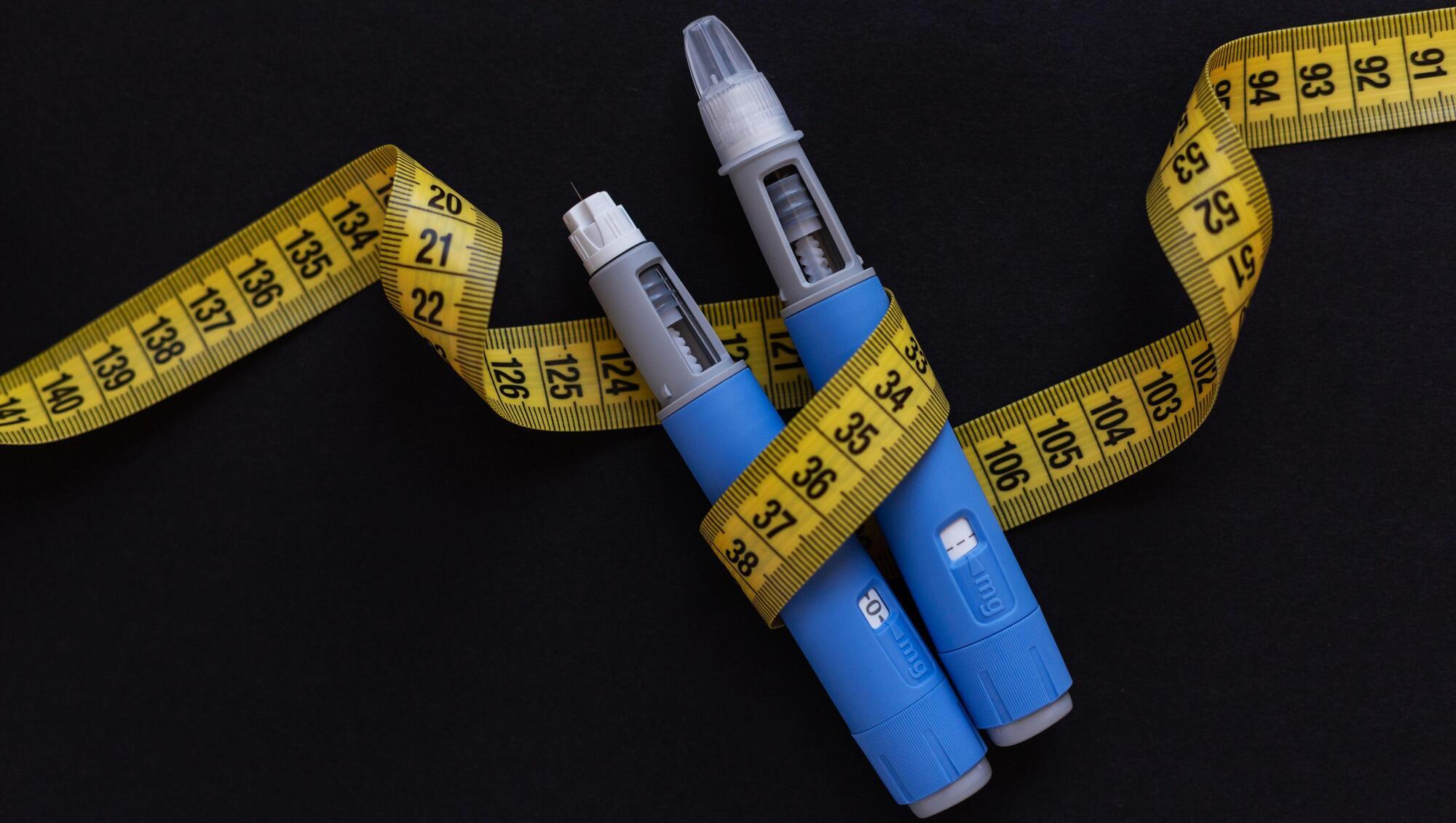
The World Health Organization (WHO) has issued a stark warning that addressing the global obesity crisis requires more than just the availability of weight loss medications. As obesity rates are projected to double by 2030, affecting up to two billion people, the WHO has released its first guidelines on the use of weight loss drugs, commonly referred to as “skinny jabs,” such as Ozempic and Mounjaro.
Dr. Tedros Adhanom Ghebreyesus, the WHO Director-General, emphasized that while these medications can provide hope for many, they are not a standalone solution. “Obesity is one of the most serious public health challenges of our time,” he stated, noting that more than one billion people currently live with obesity. He called for comprehensive and lifelong care, highlighting that medication alone is insufficient to combat this complex disease.
The WHO’s guidelines stress the importance of creating healthier environments to promote well-being and prevent obesity. Dr. Ghebreyesus pointed out that individuals at high risk of obesity should have early access to treatment, which must be coupled with lifestyle changes. “Crucially, the use of GLP-1s does not replace the need for a healthy diet and physical activity,” he added.
The recent surge in the use of GLP-1 therapies, initially developed for diabetes management, has raised hopes for effective obesity treatment. However, the WHO cautioned that there is a need for more long-term data regarding the safety and effectiveness of these medications, especially concerning the outcomes when patients discontinue their use.
Economic Implications and Accessibility Concerns
The WHO has also expressed significant concern over the financial implications of these treatments, which could exacerbate existing inequalities. Dr. Ghebreyesus warned that the costs associated with these weight loss medications might widen the gap between the wealthy and the poor. In Ireland, for instance, the medication Saxenda is funded for weight loss, yet Ozempic is only covered for diabetes treatment, costing approximately €150 monthly for weight loss. Meanwhile, Mounjaro, which is under consideration for funding, costs around €275 per month when purchased privately.
The WHO’s guidelines highlighted that these therapies are projected to reach fewer than 10% of individuals who could potentially benefit from them by 2030. To address accessibility issues, the organization suggested considering pooled procurement, tiered pricing, and voluntary licensing to ensure that more people can access these crucial treatments.
In conclusion, while weight loss drugs represent a promising development in tackling obesity, the WHO’s guidelines underscore the necessity of a multifaceted approach. Comprehensive care, lifestyle changes, and equitable access to treatment are critical components in the fight against the growing obesity epidemic.

UK Manufacturing PMI Surges to 14-Month High, Recovery Signs Emerge

Donegal Hero Receives National Bravery Award for Life-Saving Rescue

Taxi Drivers Launch Urgent Protest in Galway Next Week

WPP Media Unveils Irish Language Advertising’s Dependency Dilemma

Rory McIlroy Eyes Comeback at Crown Australian Open

Nigel Farage Faces Growing Racism Allegations at Press Conference

Irishman James Graham Honored for Valor at Waterloo Battle

Ireland Joins Global Crackdown on Tax Evasion for Foreign Properties

Discover Ireland’s Rich Mythology: Legends and Folklore Explored

Tributes Surge for 9-Year-Old Leon Briody After Cancer Battle

Aimee Osbourne Joins Family for Emotional Tribute to Ozzy

Danny Healy-Rae Considers Complaint After Altercation with Garda

Ireland Enjoys Summer Heat as Hurricane Erin Approaches Atlantic

Hawaii Commemorates 80 Years Since Hiroshima Bombing with Ceremony

Newcastle West Woman Patricia Foley Found Safe After Urgent Search

Fianna Fáil TDs Urgently Consider Maire Geoghegan-Quinn for Presidency

Couple Convicted of Murdering Two-Year-Old Grandson in Wales

Gaza Aid Distribution Tragedy: 20 Killed Amid Ongoing Violence
-
 Top Stories3 months ago
Tributes Surge for 9-Year-Old Leon Briody After Cancer Battle
-
 Entertainment4 months ago
Aimee Osbourne Joins Family for Emotional Tribute to Ozzy
-
 Politics4 months ago
Danny Healy-Rae Considers Complaint After Altercation with Garda
-
 Top Stories4 months ago
Ireland Enjoys Summer Heat as Hurricane Erin Approaches Atlantic
-
 World5 months ago
Hawaii Commemorates 80 Years Since Hiroshima Bombing with Ceremony
-
 Top Stories3 months ago
Newcastle West Woman Patricia Foley Found Safe After Urgent Search
-
 Top Stories5 months ago
Fianna Fáil TDs Urgently Consider Maire Geoghegan-Quinn for Presidency
-
 World5 months ago
Couple Convicted of Murdering Two-Year-Old Grandson in Wales
-
 World5 months ago
Gaza Aid Distribution Tragedy: 20 Killed Amid Ongoing Violence
-

 World5 months ago
Aristocrat Constance Marten and Partner Convicted of Infant Murder
-

 Top Stories4 months ago
Climbing Errigal: A Must-Do Summer Adventure in Donegal
-

 Top Stories4 months ago
Hike Donegal’s Errigal Mountain NOW for Unforgettable Summer Views