
Science
Gene Editing Revolutionizes Farming in Southern Spain

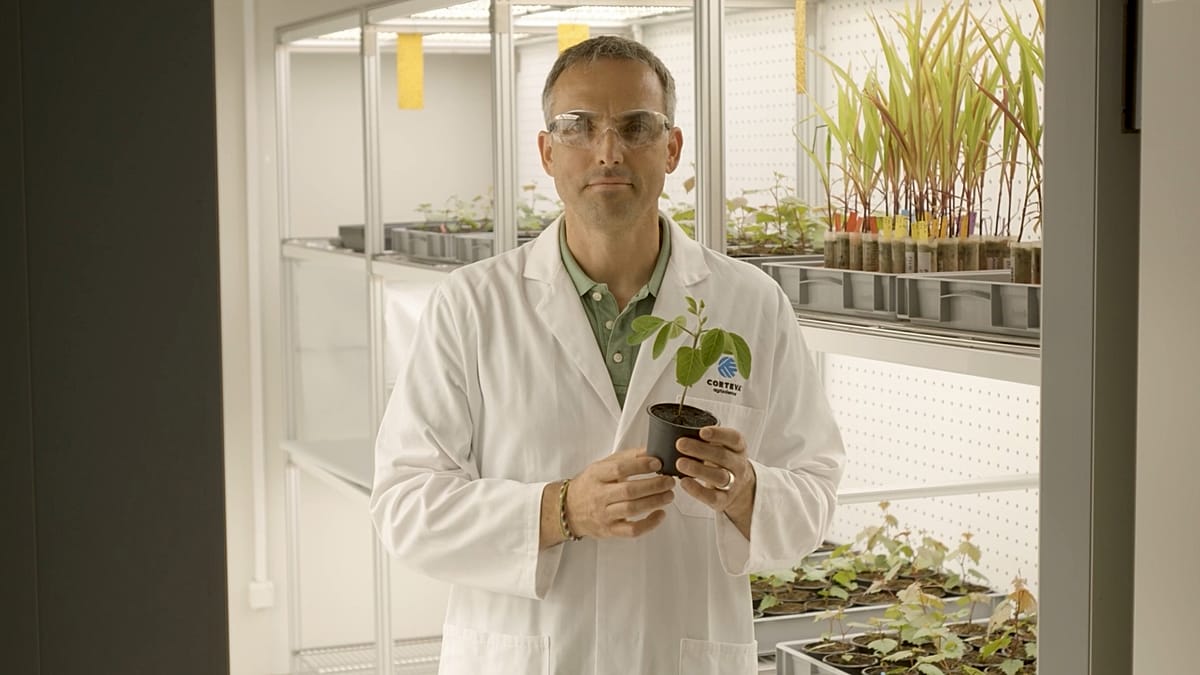
In Southern Spain, a new kind of maize is emerging, offering a glimpse into the future of agriculture. Developed by Corteva, a global agricultural technology company, this gene-edited maize is designed to withstand extreme weather conditions and improve crop yields. As farmers across Europe grapple with changing weather patterns, evolving regulations, and increasing pest pressures, innovations like this could play a crucial role in enhancing food security.
The challenges facing European farmers are growing. In particular, regions like Southern Spain are experiencing environmental stresses that may soon affect other areas. “Every time it rains, it rains more than it should,” says Pedro Fernández, a farmer from the Seville area. He notes that prolonged rainfall and drought periods, combined with new pests, complicate agricultural production. “One of the many problems posed by extreme weather conditions is that they can lead to complete harvest losses,” adds Frank Röber, Europe Breeding Alliances Lead at Corteva. “Taken in the aggregate, that has an impact on food security.”
Gene editing could provide a much-needed solution for farmers like Fernández. “With gene editing, we will have more food security and be able to take better care of the environment,” he states. “If we do things right, we have a great future ahead, but first we have to accept the new technology.”
Understanding Gene Editing in Agriculture
Gene editing is a groundbreaking technology that allows scientists to make precise alterations to a plant’s own DNA without inserting foreign DNA. It enables researchers to delete, edit, or reposition genes, enhancing the plant’s resilience to diseases, pests, and environmental challenges such as droughts and floods. This technique mirrors traditional breeding practices but accomplishes it in a more efficient and cost-effective manner.
Corteva invests nearly €3.5 million daily in research and development, with its La Rinconada research center in Seville and the Eschbach Research Center in Germany at the forefront of gene editing advancements. The company conducts field tests to evaluate how gene-edited crops perform under real-world conditions. This summer’s trials in Seville aim to demonstrate the potential resilience of these crops amid future climate pressures.
“Gene editing allows us to create more genetic variation,” Röber explains. “It can be used to stop negative or enhance positive genes to achieve better on-farm performance.”
Broader Applications and Implications
The opportunities presented by gene editing extend beyond maize. Innovators in both the public and private sectors are harnessing this technology to create more robust crop varieties. For instance, scientists at the UK’s Rothamsted Research have developed wheat with enhanced qualities that are now advancing from small field trials to larger tests. They have also bred a barley variety that contains nearly twice as much fat as conventional types, making it a more energy-dense feed that could reduce emissions from livestock.
Another notable example comes from Tropic Biosciences, where researchers are working on gene-edited Cavendish bananas, aiming to improve taste and shelf life while reducing food waste.
As Europe navigates the intersection of technology and sustainability, gene editing stands at a crucial crossroads. The European Union (EU) is encouraging innovation within the agri-food system to strengthen strategic autonomy and support the development of resilient crops. However, the future of gene editing technology in Europe hinges on regulatory developments and public acceptance.
In 2023, the European Commission proposed a comprehensive legal definition for gene editing, termed New Genomic Techniques (NGTs). While the EU Council has endorsed a draft that treats gene-edited plants similarly to conventionally bred ones, final agreements among lawmakers are still pending. The outcome of these discussions will significantly influence the agricultural landscape and the broader economy.
The stakes are high, as the potential for gene editing to transition from scientific promise to a key component of European agriculture could redefine food production and security across the continent. The ongoing dialogue around this technology will ultimately shape its role in future farming practices and the resilience of Europe’s agricultural system.

Renowned Architect Frank Gehry Dies at 96, Leaves Legacy of Innovation

Watergate Urban Park in Kilkenny Opens December 19 with Concert

WPP Media Reveals Irish Language Advertising’s ‘Dependency Dilemma’

Frank Gehry, Visionary Architect, Passes Away at 96

Meghan Markle Reaches Out to Father After Critical Surgery

Over 115,000 Irish Citizens Must Repay €157.5 Million in Welfare

Meghan Markle Reaches Out to Father After Emergency Surgery

Meghan Markle Reaches Out to Father Following Life-Saving Amputation

Urgent Recall: Popular Ingredient Found with High Opium Levels

Tributes Surge for 9-Year-Old Leon Briody After Cancer Battle

Aimee Osbourne Joins Family for Emotional Tribute to Ozzy

Danny Healy-Rae Considers Complaint After Altercation with Garda

Ireland Enjoys Summer Heat as Hurricane Erin Approaches Atlantic

Hawaii Commemorates 80 Years Since Hiroshima Bombing with Ceremony

Newcastle West Woman Patricia Foley Found Safe After Urgent Search

Fianna Fáil TDs Urgently Consider Maire Geoghegan-Quinn for Presidency

Couple Convicted of Murdering Two-Year-Old Grandson in Wales

Gaza Aid Distribution Tragedy: 20 Killed Amid Ongoing Violence
-
 Top Stories3 months ago
Tributes Surge for 9-Year-Old Leon Briody After Cancer Battle
-
 Entertainment4 months ago
Aimee Osbourne Joins Family for Emotional Tribute to Ozzy
-
 Politics4 months ago
Danny Healy-Rae Considers Complaint After Altercation with Garda
-
 Top Stories4 months ago
Ireland Enjoys Summer Heat as Hurricane Erin Approaches Atlantic
-
 World5 months ago
Hawaii Commemorates 80 Years Since Hiroshima Bombing with Ceremony
-
 Top Stories3 months ago
Newcastle West Woman Patricia Foley Found Safe After Urgent Search
-
 Top Stories5 months ago
Fianna Fáil TDs Urgently Consider Maire Geoghegan-Quinn for Presidency
-
 World5 months ago
Couple Convicted of Murdering Two-Year-Old Grandson in Wales
-
 World5 months ago
Gaza Aid Distribution Tragedy: 20 Killed Amid Ongoing Violence
-

 World5 months ago
Aristocrat Constance Marten and Partner Convicted of Infant Murder
-

 Top Stories4 months ago
Climbing Errigal: A Must-Do Summer Adventure in Donegal
-

 Top Stories4 months ago
Hike Donegal’s Errigal Mountain NOW for Unforgettable Summer Views