
Science
Gene Editing Revolutionizes Farming in Southern Spain

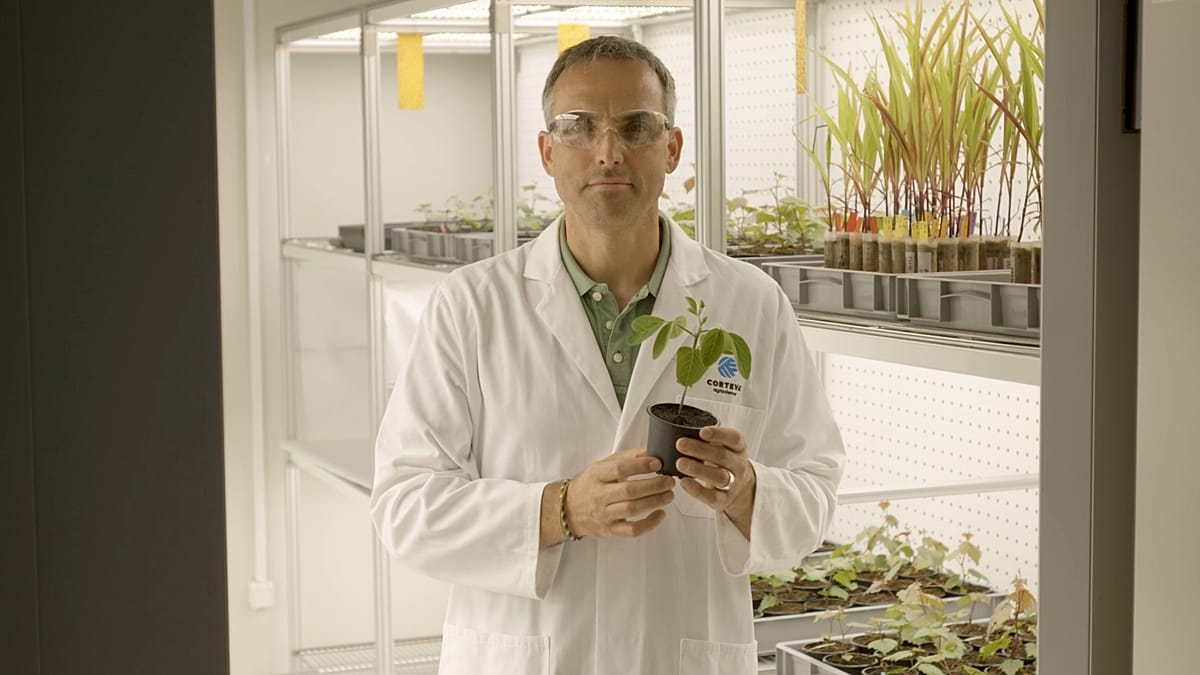
A new type of maize is growing in the sun-drenched fields of Southern Spain, showcasing the potential of gene editing technology to transform European agriculture. This innovation is being spearheaded by Corteva, a global agricultural technology company, which is conducting trials aimed at developing crops that can withstand extreme weather conditions and provide consistent yields. With climate change, evolving regulations, and increasing pressures from pests and diseases, farmers face significant challenges, making advancements in agricultural technology more crucial than ever.
The European Union is actively promoting innovation within the agri-food sector, encouraging the development of resilient crops and sustainable farming practices. The gene-edited maize varieties being tested in Spain exemplify this initiative. These crops are designed to adapt better to adverse conditions, ultimately leading to more affordable domestic production even in less favorable climates.
Gene editing is a cutting-edge technology that allows scientists to make precise alterations to a plant’s DNA, enhancing its resilience without introducing foreign genetic material. This approach accelerates traditional breeding methods, enabling farmers to cultivate stronger plants that can better resist diseases, pests, and environmental stressors such as floods and droughts.
In Southern Spain, farmers like Pedro Fernández are already experiencing the effects of climate change. He notes, “Every time it rains, it rains more than it should,” pointing to the increasing unpredictability of weather patterns. Frank Röber, the Europe Breeding Alliances Lead at Corteva, adds that extreme weather can lead to complete harvest losses, affecting overall food security.
For farmers, gene editing offers a pathway to enhanced food security and environmental stewardship. “With gene editing, we will have more food security and be able to take better care of the environment,” Fernández states. He emphasizes the importance of embracing new technologies to secure a prosperous agricultural future.
Investment in Research and Development
Corteva is investing nearly €3.5 million daily in research and development, with key efforts centered at the La Rinconada Research Center in Seville and the Eschbach Research Center in Germany. These facilities are pivotal in advancing gene editing technologies, translating research into practical applications through real-world trials. The ongoing tests in Seville are crucial in demonstrating how these gene-edited crops perform under anticipated climatic pressures.
“Gene editing allows us to create more genetic variation,” explains Röber. This technology can stop detrimental genes or enhance beneficial ones, improving on-farm performance and crop resilience.
Broader Implications of Gene Editing
The opportunities presented by gene editing extend beyond maize. Innovators across both public and private sectors are harnessing this technology to develop more robust crop varieties. For instance, at the UK’s Rothamsted Research, scientists are working on wheat varieties with enhanced qualities, moving from small field trials to larger-scale testing. Additionally, they have developed a barley type that stores approximately twice as much fat as conventional varieties, potentially reducing emissions from livestock by improving feed efficiency.
Another notable project by Tropic Biosciences focuses on gene-edited Cavendish bananas, which are being engineered to improve taste and shelf life, thereby decreasing food waste.
The advancement of gene editing arrives at a critical juncture for Europe. As the region seeks to balance strategic autonomy and sustainability, the future of this technology hinges on regulatory developments and public acceptance. In 2023, the European Commission proposed a comprehensive legal framework for gene editing, known as New Genomic Techniques (NGTs), which is still under negotiation. A draft approved by the EU Council in early 2025 suggests treating gene-edited plants similarly to conventionally bred crops, although final approval remains pending.
As discussions continue, the implications of gene editing for billions in research funding, the resilience of European farms, and the overall productivity of the agricultural system are significant. The outcome of these regulatory negotiations will determine whether gene editing becomes a foundational aspect of European agriculture and its economy or remains a theoretical promise.

Justice Minister O’Callaghan Launches €2 Million Electronic Tagging Trial

Limerick Pool to Fully Reopen This Friday After Delay

Kilkenny Community Rallies for Fran’s Kickathon Charity Effort

Ballymun Set to Gain 9,000 Jobs and 2,000 Homes with MetroLink

Hugh Wallace Remembered as Charismatic Architect at Funeral

University Hospital Galway Urges Caution Amid Rising Flu Cases

St Eunan’s College Celebrates Student Achievements at Junior Awards

French Woman Calls for Justice After Alleged Drugging by Official

Kilkenny’s Fran Grincell Aims for €35,000 in Final Kickathon Push

Tributes Surge for 9-Year-Old Leon Briody After Cancer Battle

Aimee Osbourne Joins Family for Emotional Tribute to Ozzy

Danny Healy-Rae Considers Complaint After Altercation with Garda

Ireland Enjoys Summer Heat as Hurricane Erin Approaches Atlantic

Hawaii Commemorates 80 Years Since Hiroshima Bombing with Ceremony

Newcastle West Woman Patricia Foley Found Safe After Urgent Search

Fianna Fáil TDs Urgently Consider Maire Geoghegan-Quinn for Presidency

Couple Convicted of Murdering Two-Year-Old Grandson in Wales

Gaza Aid Distribution Tragedy: 20 Killed Amid Ongoing Violence
-
 Top Stories3 months ago
Tributes Surge for 9-Year-Old Leon Briody After Cancer Battle
-
 Entertainment4 months ago
Aimee Osbourne Joins Family for Emotional Tribute to Ozzy
-
 Politics4 months ago
Danny Healy-Rae Considers Complaint After Altercation with Garda
-
 Top Stories4 months ago
Ireland Enjoys Summer Heat as Hurricane Erin Approaches Atlantic
-
 World5 months ago
Hawaii Commemorates 80 Years Since Hiroshima Bombing with Ceremony
-
 Top Stories3 months ago
Newcastle West Woman Patricia Foley Found Safe After Urgent Search
-
 Top Stories5 months ago
Fianna Fáil TDs Urgently Consider Maire Geoghegan-Quinn for Presidency
-
 World5 months ago
Couple Convicted of Murdering Two-Year-Old Grandson in Wales
-
 World5 months ago
Gaza Aid Distribution Tragedy: 20 Killed Amid Ongoing Violence
-

 World5 months ago
Aristocrat Constance Marten and Partner Convicted of Infant Murder
-

 Top Stories4 months ago
Climbing Errigal: A Must-Do Summer Adventure in Donegal
-

 Top Stories4 months ago
Hike Donegal’s Errigal Mountain NOW for Unforgettable Summer Views