
Science
European Farmers Embrace Gene Editing to Combat Climate Challenges

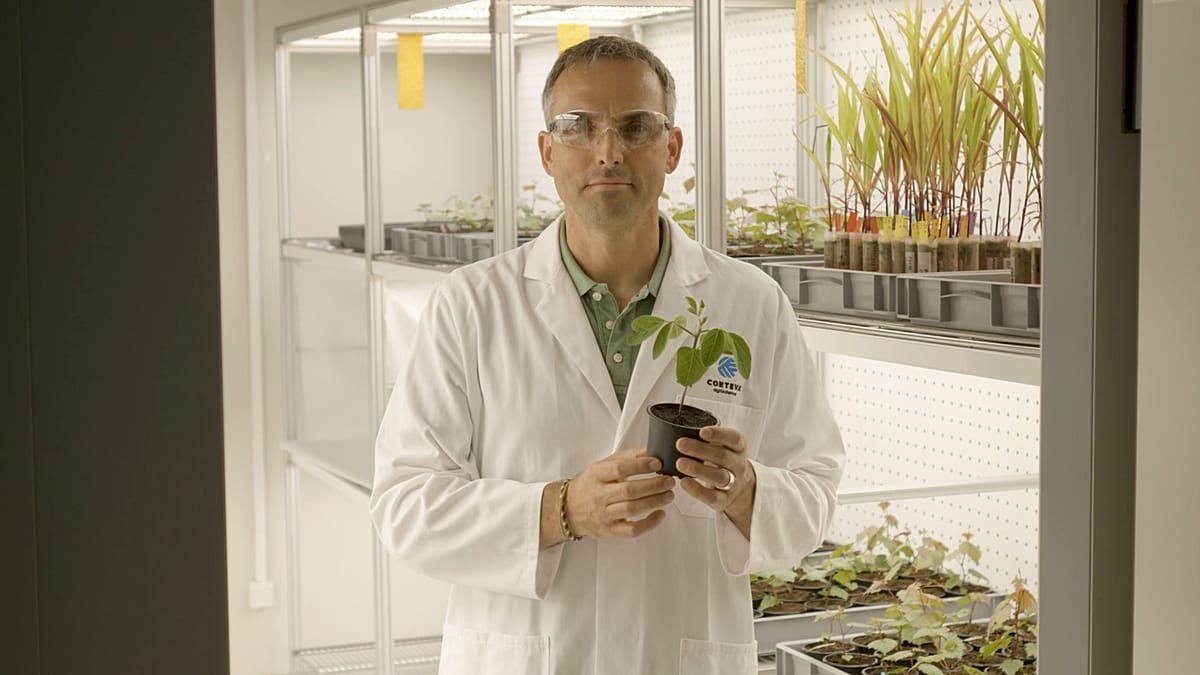
In Southern Spain, a new strain of maize is being cultivated, showcasing the potential of gene editing to transform European agriculture. This innovative technology aims to address the mounting challenges farmers face, including shifting weather patterns, stringent regulations, and increasing pest pressures. The European Union (EU) is actively promoting advancements in this area to bolster strategic autonomy and enhance food security across the continent.
Corteva, a global agricultural technology company, is at the forefront of these efforts. Their gene-edited maize varieties are engineered to adapt to extreme conditions while delivering consistent yields. This innovation promises to support more affordable domestic production, even in regions with less favorable soils and climates.
Understanding Gene Editing
Gene editing is a technique that allows for precise alterations to a plant’s DNA without incorporating genes from other species. By modifying the plant’s existing genetic material, scientists can enhance growth and resilience against diseases, pests, and harsh environmental conditions. This method accelerates the traditional practice of plant breeding, producing improved crops more quickly and cost-effectively.
Farmers in Southern Spain are already experiencing the adverse effects of climate change, which is leading to unpredictable weather patterns. Pedro Fernández, a farmer from the Seville area, notes the increasing severity of rainfall and drought cycles, alongside the emergence of new pests. He emphasizes that these challenges can result in significant crop losses, threatening food security.
Frank Röber, Europe Breeding Alliances Lead at Corteva, echoes this sentiment, stating, “One of the many problems posed by extreme weather conditions is that they can lead to complete harvest losses. Taken in the aggregate, that has an impact on food security.” For farmers like Fernández, gene editing represents a viable solution to enhance food security and environmental stewardship.
Corteva’s Investment in Innovation
Corteva is investing approximately €3.5 million daily in research and development, with a strong focus on advancing gene editing technologies at its La Rinconada Research Center in Seville and the Eschbach Research Center in Germany. The company is conducting field trials to assess the performance of its gene-edited maize under various climate conditions.
“Gene editing allows us to create more genetic variation,” explains Röber. This approach can help eliminate negative traits or enhance positive ones, ultimately improving on-farm performance.
In addition to maize, gene editing is being applied to a range of crops. For instance, scientists are developing disease-resistant potatoes and wheat with enhanced attributes at the UK’s Rothamsted Research. These innovations are moving from small-scale trials to larger, practical applications, showcasing the technology’s broad potential.
Moreover, Tropic Biosciences is working on gene-edited Cavendish bananas, aiming to improve taste and shelf life, thereby reducing food waste. This breadth of research indicates that gene editing is not only viable for enhancing crop yields but also for improving overall agricultural sustainability.
The Future of Gene Editing in Europe
As Europe navigates the complex landscape of agricultural innovation, gene editing arrives at a crucial juncture. It offers a path toward balancing strategic autonomy and sustainability, but its success hinges on evolving regulations and public acceptance. In 2023, the European Commission proposed a comprehensive legal framework for gene editing, known as New Genomic Techniques (NGTs). However, these regulations are still under negotiation and have yet to be officially integrated into EU law.
In early 2025, the EU Council endorsed a draft that would categorize gene-edited plants similarly to conventionally bred crops. This distinction will be significant in determining the future of gene editing within the agricultural sector.
As discussions continue, substantial investments in research and the resilience of European farms are at stake. The outcomes of these regulatory efforts will shape whether gene editing transitions from a promising scientific endeavor to a fundamental element of European agriculture and its economy.

Donegal Secures Over €300,000 in Urgent Local Enhancement Fund

Justice Minister O’Callaghan Launches €2 Million Electronic Tagging Trial

Limerick Pool to Fully Reopen This Friday After Delay

Kilkenny Community Rallies for Fran’s Kickathon Charity Effort

Ballymun Set to Gain 9,000 Jobs and 2,000 Homes with MetroLink

Hugh Wallace Remembered as Charismatic Architect at Funeral

University Hospital Galway Urges Caution Amid Rising Flu Cases

St Eunan’s College Celebrates Student Achievements at Junior Awards

French Woman Calls for Justice After Alleged Drugging by Official

Tributes Surge for 9-Year-Old Leon Briody After Cancer Battle

Aimee Osbourne Joins Family for Emotional Tribute to Ozzy

Danny Healy-Rae Considers Complaint After Altercation with Garda

Ireland Enjoys Summer Heat as Hurricane Erin Approaches Atlantic

Hawaii Commemorates 80 Years Since Hiroshima Bombing with Ceremony

Newcastle West Woman Patricia Foley Found Safe After Urgent Search

Fianna Fáil TDs Urgently Consider Maire Geoghegan-Quinn for Presidency

Couple Convicted of Murdering Two-Year-Old Grandson in Wales

Gaza Aid Distribution Tragedy: 20 Killed Amid Ongoing Violence
-
 Top Stories3 months ago
Tributes Surge for 9-Year-Old Leon Briody After Cancer Battle
-
 Entertainment4 months ago
Aimee Osbourne Joins Family for Emotional Tribute to Ozzy
-
 Politics4 months ago
Danny Healy-Rae Considers Complaint After Altercation with Garda
-
 Top Stories4 months ago
Ireland Enjoys Summer Heat as Hurricane Erin Approaches Atlantic
-
 World5 months ago
Hawaii Commemorates 80 Years Since Hiroshima Bombing with Ceremony
-
 Top Stories3 months ago
Newcastle West Woman Patricia Foley Found Safe After Urgent Search
-
 Top Stories5 months ago
Fianna Fáil TDs Urgently Consider Maire Geoghegan-Quinn for Presidency
-
 World5 months ago
Couple Convicted of Murdering Two-Year-Old Grandson in Wales
-
 World5 months ago
Gaza Aid Distribution Tragedy: 20 Killed Amid Ongoing Violence
-

 World5 months ago
Aristocrat Constance Marten and Partner Convicted of Infant Murder
-

 Top Stories4 months ago
Climbing Errigal: A Must-Do Summer Adventure in Donegal
-

 Top Stories4 months ago
Hike Donegal’s Errigal Mountain NOW for Unforgettable Summer Views