
Science
Gene Editing Set to Transform European Farming Landscape

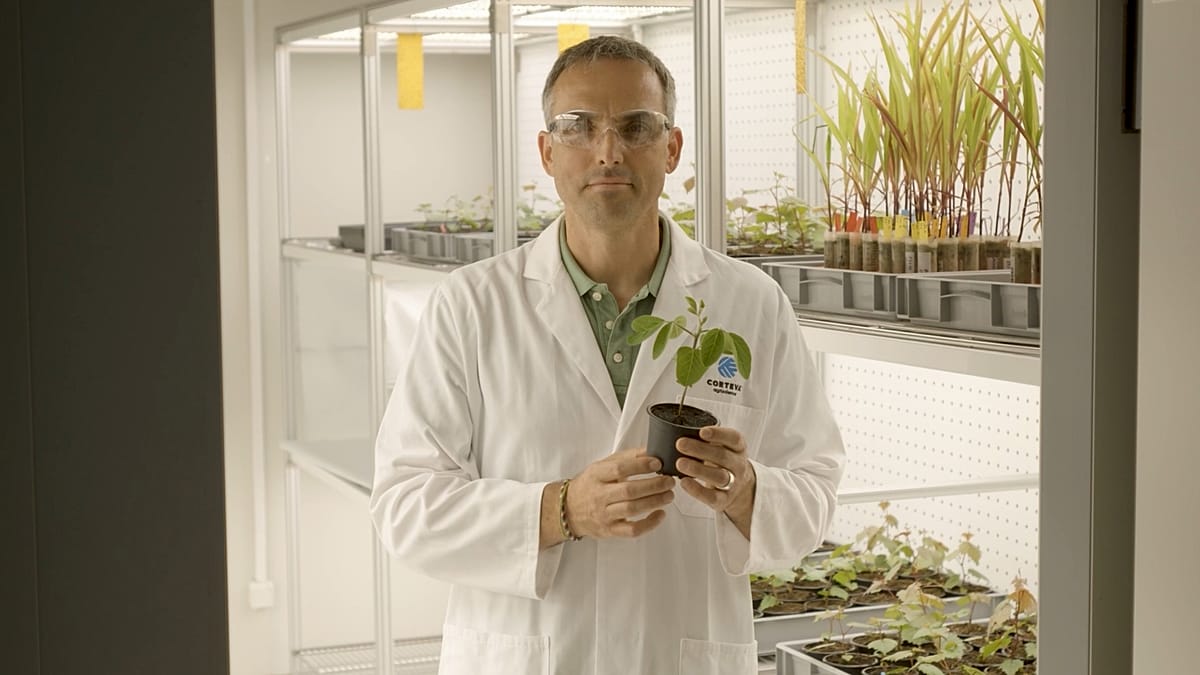
A new era in European agriculture is on the horizon, driven by the potential of gene editing technology. In the sun-drenched fields of Southern Spain, Corteva, a global agricultural technology firm, is trialing gene-edited maize designed to withstand the pressures of climate change, pests, and diseases. This innovation represents a significant step towards enhancing food security and resilience in farming across Europe.
The challenges facing European farmers are mounting. Changing weather patterns, stricter regulations, and the increasing prevalence of agricultural pests are making it more difficult to maintain consistent crop yields. According to Pedro Fernández, a farmer from the Seville area, “Every time it rains, it rains more than it should. There are long periods of rain and many droughts.” These extreme weather conditions can lead to complete harvest losses, as noted by Frank Röber, Europe Breeding Alliances Lead at Corteva, highlighting the direct impact on food security.
Gene editing works by making precise alterations to a plant’s DNA, enhancing its natural resistance to adverse conditions such as diseases and climate extremes. This method accelerates traditional plant breeding, allowing for faster, more effective development of crops that can thrive in challenging environments.
Investing in Innovation
Corteva is committing approximately €3.5 million daily to research and development, with its La Rinconada Research Center in Seville at the forefront of gene editing advancements. The company is conducting field trials of its maize varieties to assess their performance under future climate conditions. “Gene editing allows us to create more genetic variation,” explains Röber. “It can be used to stop negative or enhance positive genes to get better on-farm performance.”
Gene editing is not limited to maize; it offers opportunities across various crops. Researchers in the public and private sectors are leveraging this technology to create improved plant varieties. For instance, Rothamsted Research in the UK has developed wheat with enhanced qualities, advancing from small field trials to larger-scale testing. Additionally, Tropic Biosciences is working on gene-edited Cavendish bananas, aiming to enhance taste and shelf life, which could significantly reduce food waste.
The Regulatory Landscape
The arrival of gene editing technology in Europe comes at a crucial time for the agricultural sector. The European Commission proposed a legal framework for gene editing in 2023, categorizing New Genomic Techniques (NGTs). While the EU Council has endorsed a draft that treats gene-edited plants similarly to conventionally bred crops, formal adoption of these regulations remains pending.
As discussions continue, the balance between fostering innovation and ensuring safety will be critical. The future of gene editing in European agriculture may hinge on public acceptance and regulatory developments. With billions in research funding at stake, the outcome of this debate will determine whether gene editing becomes a cornerstone of European farming or remains a scientific promise.
The path forward for agriculture in Europe is fraught with challenges, but with the right innovations and regulatory support, gene editing could bring about a more sustainable and resilient food system. As farmers like Fernández express optimism about the technology, the broader implications for food security and environmental stewardship are becoming increasingly clear.

Limerick Diocese Announces Urgent Pilgrimage to Lourdes in June 2026

Eurovision 2026 in Jeopardy as Broadcasters Announce Boycott

Study Reveals Tattoos May Compromise Immune System Health

John Shortt Shatters World Junior Record, Wins European Gold

UK Government Unveils Child Poverty Strategy Amid Political Distractions

WPP Media Unveils Irish Language Advertising’s Dependency Dilemma

Munster Rugby’s Identity Crisis: A New Era Under Clayton McMillan

Far-Right Speaker Creates Stir at AfD Youth Conference

Munster vs Bath: Kickoff Time and Channels for Champions Cup Clash

Tributes Surge for 9-Year-Old Leon Briody After Cancer Battle

Aimee Osbourne Joins Family for Emotional Tribute to Ozzy

Danny Healy-Rae Considers Complaint After Altercation with Garda

Ireland Enjoys Summer Heat as Hurricane Erin Approaches Atlantic

Hawaii Commemorates 80 Years Since Hiroshima Bombing with Ceremony

Newcastle West Woman Patricia Foley Found Safe After Urgent Search

Fianna Fáil TDs Urgently Consider Maire Geoghegan-Quinn for Presidency

Couple Convicted of Murdering Two-Year-Old Grandson in Wales

Gaza Aid Distribution Tragedy: 20 Killed Amid Ongoing Violence
-
 Top Stories3 months ago
Tributes Surge for 9-Year-Old Leon Briody After Cancer Battle
-
 Entertainment4 months ago
Aimee Osbourne Joins Family for Emotional Tribute to Ozzy
-
 Politics4 months ago
Danny Healy-Rae Considers Complaint After Altercation with Garda
-
 Top Stories4 months ago
Ireland Enjoys Summer Heat as Hurricane Erin Approaches Atlantic
-
 World5 months ago
Hawaii Commemorates 80 Years Since Hiroshima Bombing with Ceremony
-
 Top Stories3 months ago
Newcastle West Woman Patricia Foley Found Safe After Urgent Search
-
 Top Stories5 months ago
Fianna Fáil TDs Urgently Consider Maire Geoghegan-Quinn for Presidency
-
 World5 months ago
Couple Convicted of Murdering Two-Year-Old Grandson in Wales
-
 World5 months ago
Gaza Aid Distribution Tragedy: 20 Killed Amid Ongoing Violence
-

 World5 months ago
Aristocrat Constance Marten and Partner Convicted of Infant Murder
-

 Top Stories4 months ago
Climbing Errigal: A Must-Do Summer Adventure in Donegal
-

 Top Stories4 months ago
Hike Donegal’s Errigal Mountain NOW for Unforgettable Summer Views