
World
Putin Strengthens Ties with India During Landmark Visit

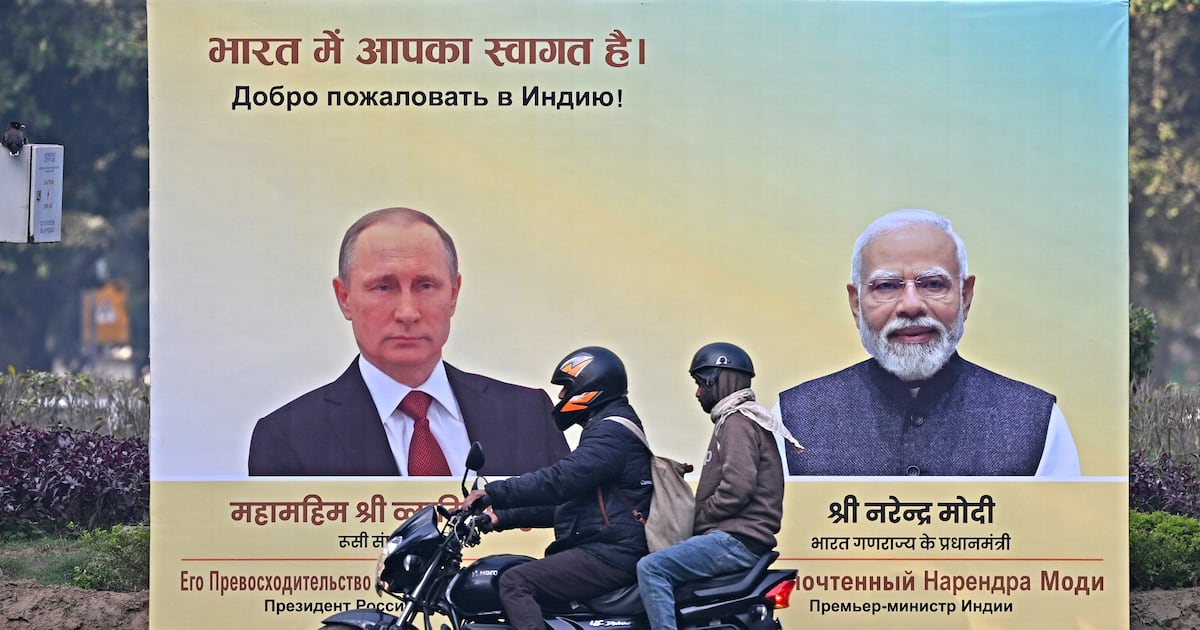
Vladimir Putin commenced a two-day visit to India today, marking his first trip since the onset of Russia’s full-scale invasion of Ukraine. This visit is significant as it aims to solidify the ongoing partnership between Russia and India, with both leaders expected to sign agreements focused on defense and energy cooperation.
Western nations have made attempts to create a divide between Moscow and New Delhi, yet these efforts have not succeeded. On Monday, the ambassadors of Germany, France, and the British High Commissioner in New Delhi published an article in the Times of India, attributing blame to Putin for the ongoing conflict in Ukraine. The Indian Ministry of External Affairs expressed its disapproval, stating that the intervention was “very unusual” and criticized the act as “not an acceptable diplomatic practice to give public advice on third country relations,” according to the Hindu newspaper.
Since the beginning of the Russian invasion in 2022, India has maintained a neutral stance, frequently abstaining from voting on United Nations resolutions concerning the conflict. Contrary to expectations, relations between Moscow and New Delhi have strengthened. Prior to the war, India imported only 1% of its crude oil from Russia. However, in the wake of Western sanctions that forced Russia to sell its oil at discounted prices, India significantly increased its imports, with Russia accounting for approximately 35% of India’s oil imports in 2024.
This shift in imports came into focus last August when former President Donald Trump imposed a 25% tariff on Indian goods, citing India’s oil purchases as contributing to the prolongation of the war. Recently, India has scaled back its imports from Russia following the implementation of US sanctions on Russian oil companies such as Rosneft and Lukoil.
India’s Historical Neutrality and Current Position
When India gained independence during the early years of the Cold War, it opted not to align with either the Soviet Union or the United States, joining other post-colonial nations to establish the Non-Aligned Movement in 1955. As the US increased military and financial support to Pakistan in the 1970s, Russia became India’s primary arms supplier—a role it continues to fulfill despite India’s growing purchases from Western countries.
The end of the Cold War introduced a warming of relations between India and the United States, marked by the formation of the Quad, which includes India, Japan, and Australia to counter China’s rising influence in Asia. Nevertheless, Prime Minister Narendra Modi‘s multi-alignment strategy has led India to deepen its ties with non-Western groups, including BRICS and the Shanghai Cooperation Organisation.
Despite the complexities of New Delhi’s relationship with Beijing, including unresolved border disputes and a growing economic and military alliance between China and Pakistan, Russia remains a crucial counterbalance for India. The stability of the Russia-India relationship over nearly 80 years is likely to be reinforced during Putin’s visit this week.
As Putin engages with Modi, the dynamics of international relations will be closely observed, particularly in the context of the ongoing war in Ukraine and the shifting alliances among global powers. The visit underscores India’s strategic importance in the geopolitical landscape, as it navigates its relationships with both Western nations and its long-standing ties with Russia.

Galway Man Sentenced to 1 Year for Disturbing Child Abuse Material

Supreme Court Rejects Conor McGregor’s Appeal in Assault Case

Supreme Court Rejects Conor McGregor’s Appeal in Assault Case

Security for Former Garda Commissioner’s Home Cost Over €212,000

Eurovision Faces Boycott as Four Countries Withdraw Over Israel’s Participation

Urgent Vaccination Call as Flu Hospitalizations Surge 100%

Aer Lingus Pilot’s Demotion Sparks Controversy Over Safety Reporting

US Envoys to Hold Urgent Peace Talks with Ukraine in Florida

Urgent: Gardai Recover Multiple Firearms in Co Cork Today

Tributes Surge for 9-Year-Old Leon Briody After Cancer Battle

Aimee Osbourne Joins Family for Emotional Tribute to Ozzy

Danny Healy-Rae Considers Complaint After Altercation with Garda

Ireland Enjoys Summer Heat as Hurricane Erin Approaches Atlantic

Hawaii Commemorates 80 Years Since Hiroshima Bombing with Ceremony

Newcastle West Woman Patricia Foley Found Safe After Urgent Search

Fianna Fáil TDs Urgently Consider Maire Geoghegan-Quinn for Presidency

Couple Convicted of Murdering Two-Year-Old Grandson in Wales

Gaza Aid Distribution Tragedy: 20 Killed Amid Ongoing Violence
-
 Top Stories3 months ago
Tributes Surge for 9-Year-Old Leon Briody After Cancer Battle
-
 Entertainment4 months ago
Aimee Osbourne Joins Family for Emotional Tribute to Ozzy
-
 Politics4 months ago
Danny Healy-Rae Considers Complaint After Altercation with Garda
-
 Top Stories4 months ago
Ireland Enjoys Summer Heat as Hurricane Erin Approaches Atlantic
-
 World5 months ago
Hawaii Commemorates 80 Years Since Hiroshima Bombing with Ceremony
-
 Top Stories3 months ago
Newcastle West Woman Patricia Foley Found Safe After Urgent Search
-
 Top Stories5 months ago
Fianna Fáil TDs Urgently Consider Maire Geoghegan-Quinn for Presidency
-
 World5 months ago
Couple Convicted of Murdering Two-Year-Old Grandson in Wales
-
 World5 months ago
Gaza Aid Distribution Tragedy: 20 Killed Amid Ongoing Violence
-

 World5 months ago
Aristocrat Constance Marten and Partner Convicted of Infant Murder
-

 Top Stories4 months ago
Climbing Errigal: A Must-Do Summer Adventure in Donegal
-

 Top Stories4 months ago
Hike Donegal’s Errigal Mountain NOW for Unforgettable Summer Views