
Sports
GAA Launches Initiative to Support Rural Clubs Amid Demographic Shifts

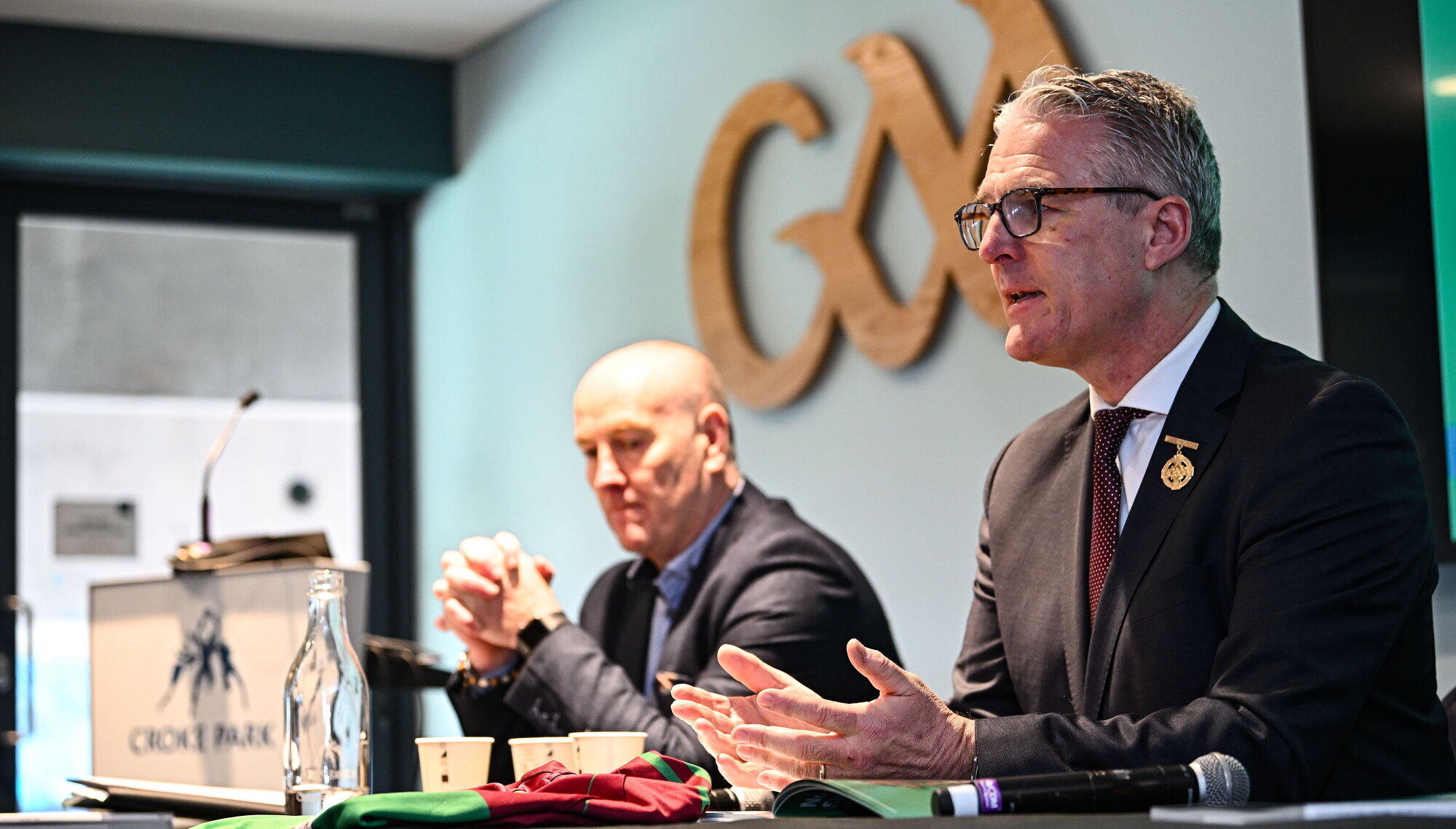
The Gaelic Athletic Association (GAA) has unveiled a comprehensive plan aimed at ensuring the survival and growth of rural clubs in Ireland. During a launch event at Croke Park on Thursday, the GAA’s national demographics committee outlined key strategies to address the challenges posed by rural depopulation and urban overpopulation.
One of the primary objectives includes the establishment of new clubs in areas experiencing population growth, while also reinforcing existing clubs in rural regions facing declining numbers. The GAA intends to redefine club metrics, allowing rural teams to compete with smaller-sized squads in newly created competitions. This shift could help clubs maintain their competitive edge despite demographic shifts.
The GAA recognizes the necessity of developing new facilities and emphasized the importance of government support to sustain old communities and foster new ones. In attendance at the event was Fine Gael TD for Longford-Westmeath, Micheál Carrigy, who highlighted the urgency of these initiatives.
Pilot projects will be implemented in Kerry and Kildare to tackle critical demographic challenges affecting the GAA in both rural and urban settings. The initiatives aim to enhance participation, improve integration, influence planning policies, and create sustainable club structures. In Kerry, the focus will be on the Iveragh Peninsula and other similar regions. Alarmingly, it was reported that only 83 junior infants enrolled in the 13 primary schools in South Kerry this past September, with no children registering in Valentia.
In Kildare, 14 clubs in areas marked by population decline will receive targeted support. Urban areas such as Tralee and Killarney in Kerry, along with Naas, Celbridge, and Maynooth in Kildare, have been identified for intervention. The GAA’s analysis revealed a decrease in the number of children aged zero to five across every county in Ireland.
At the launch, GAA President Jarlath Burns emphasized the growing misalignment between population trends and club structures. He noted, “It’s a double-edged demographic challenge. Rural decline on one side and urban overload on the other.” Burns illustrated the disconnect, stating that resources do not always align with population needs, leading to unsustainable club operations.
Burns also acknowledged the historical decline of rural communities, citing the loss of essential services and businesses. He remarked, “We watched and we sat back while villages lost their bank, then the bus stop, then the yard station, then the school, then the post office, then the shop.” The GAA clubs, he stressed, are often the last remaining community bastions in these areas.
In his address, national demographics committee chairman Benny Hurl called for GAA units to prioritize collective interests over self-interest. Hurl commended comments from Midleton chairman and former Cork hurling star John Fenton, who suggested establishing a new club between Midleton and Carrigtwohill to accommodate the growing local population.
Hurl concluded with a resolute message: “Let the message go out today, that rural Ireland is not dying, we will not let it die, and we will do everything to ensure that all of our clubs survive, thrive, and the association grows.” Two motions concerning smaller-sided teams will be debated at the GAA Congress at the end of February 2024, marking a significant step toward adapting to the evolving landscape of Irish sport.

Driver Receives Extended Jail Sentence After High-Speed Garda Chase

Israel Strikes Hezbollah in Lebanon Following Direct Talks

Man Appeals Conviction in Dublin Park Strangulation Case

Man Appeals Conviction for Attempted Strangulation in Dublin

Extended Christmas Public Transport Services Launch Across Dublin

George Clooney Reflects on Family and Directing in New Film

Empowering Teens: Transforming Anxiety into Self-Belief

RSA Urges Caution on E-Scooter Gifts for Children This Christmas

Inquiry Reveals Fisheries Agency Allowed False Insurance Claims

Tributes Surge for 9-Year-Old Leon Briody After Cancer Battle

Aimee Osbourne Joins Family for Emotional Tribute to Ozzy

Danny Healy-Rae Considers Complaint After Altercation with Garda

Ireland Enjoys Summer Heat as Hurricane Erin Approaches Atlantic

Hawaii Commemorates 80 Years Since Hiroshima Bombing with Ceremony

Newcastle West Woman Patricia Foley Found Safe After Urgent Search

Fianna Fáil TDs Urgently Consider Maire Geoghegan-Quinn for Presidency

Couple Convicted of Murdering Two-Year-Old Grandson in Wales

Gaza Aid Distribution Tragedy: 20 Killed Amid Ongoing Violence
-
 Top Stories3 months ago
Tributes Surge for 9-Year-Old Leon Briody After Cancer Battle
-
 Entertainment4 months ago
Aimee Osbourne Joins Family for Emotional Tribute to Ozzy
-
 Politics4 months ago
Danny Healy-Rae Considers Complaint After Altercation with Garda
-
 Top Stories4 months ago
Ireland Enjoys Summer Heat as Hurricane Erin Approaches Atlantic
-
 World5 months ago
Hawaii Commemorates 80 Years Since Hiroshima Bombing with Ceremony
-
 Top Stories3 months ago
Newcastle West Woman Patricia Foley Found Safe After Urgent Search
-
 Top Stories5 months ago
Fianna Fáil TDs Urgently Consider Maire Geoghegan-Quinn for Presidency
-
 World5 months ago
Couple Convicted of Murdering Two-Year-Old Grandson in Wales
-
 World5 months ago
Gaza Aid Distribution Tragedy: 20 Killed Amid Ongoing Violence
-

 World5 months ago
Aristocrat Constance Marten and Partner Convicted of Infant Murder
-

 Top Stories4 months ago
Climbing Errigal: A Must-Do Summer Adventure in Donegal
-

 Top Stories4 months ago
Hike Donegal’s Errigal Mountain NOW for Unforgettable Summer Views