
World
Tourism Leaders Respond to Ireland’s New National Policy Framework

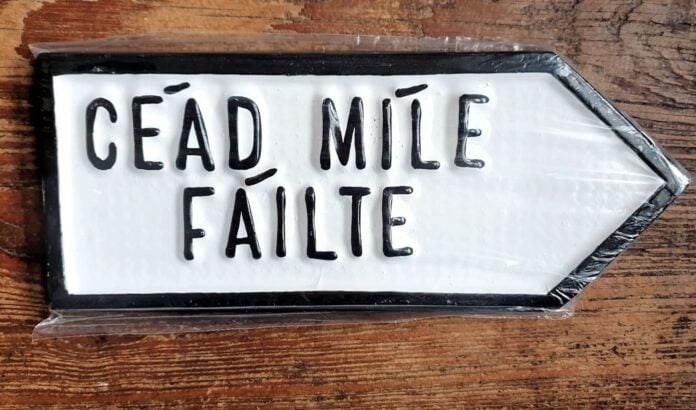
The Government of Ireland has unveiled its ambitious new National Tourism Policy Framework aimed at revitalizing the country’s tourism sector. This five-year plan, dubbed “A New Era for Irish Tourism,” seeks to address the challenges faced by both inbound and domestic tourism, which are currently experiencing a downturn. While industry leaders have broadly welcomed the report, they emphasize that achieving the outlined goals will require more than just aspirational targets.
The new policy aims for significant increases in visitor numbers and tourism revenue, with specific targets set for the coming years. According to the Irish Hotels Federation (IHF), overseas tourism revenue is projected to reach €9 billion by 2031, while domestic tourism revenue is expected to grow to €5.8 billion in the same timeframe. The plan also prioritizes off-peak season growth, aiming for at least 7% annual increase in visitor numbers in less developed regions of Ireland.
Industry Reactions to the New Policy
Several industry leaders have voiced their support for the policy, noting its potential to position Ireland as a premier destination for culinary tourism and sustainable travel. Adrian Cummins, Chief Executive of the Restaurants Association of Ireland (RAI), highlighted the emphasis on culinary experiences. He stated, “A dedicated culinary tourism strategy will be coming as a key priority, alongside new regional food trails and themed experiences that mark meaningful progress toward positioning Ireland as a world-class culinary destination.”
Eoghan O’Mara Walsh, Chief Executive of the Irish Tourism Industry Confederation (ITIC), expressed optimism about the report’s publication. He remarked, “The implementation of the report is key, and we hope to be involved in the oversight group. It’s very important that we tame inflation because if the growth targets are simply cost inflation, then it lacks complete meaning for business.”
Paul Gallagher of the IHF noted that tourism is a cornerstone of economic prosperity in Ireland. He appreciated the Government’s commitment to supporting businesses and increasing employment. Gallagher added, “By placing tourism at the heart of Government policy, this new tourism plan will help ensure the right conditions are created to support the long-term development of our industry.”
Key Targets and Future Outlook
The Government has outlined several ambitious targets as part of its new strategy. These include:
– Increasing tourism employment by at least 9% by 2031 compared to 2024 levels.
– Reducing tourism-related emissions by 45% by 2030 from 2018 levels.
– Ensuring at least 90% of tourism SMEs adopt advanced digital tools by 2031.
Despite these encouraging goals, industry leaders stress the importance of government investment in tourism. They argue that meaningful growth cannot occur without adequate funding and resources. Gallagher pointed out that the recent decision to move the tourism portfolio under a reconfigured Department of Enterprise, Tourism and Employment, led by Minister Peter Burke, reflects a step towards a more coordinated and economically focused approach to tourism policy.
In conclusion, while the new National Tourism Policy Framework sets a positive tone for the future of Irish tourism, stakeholders highlight the necessity of concrete actions and sustained investment. The industry remains cautiously optimistic as it gears up to help Ireland reclaim its position as a leading global tourism destination.

Galway Man Sentenced to 1 Year for Disturbing Child Abuse Material

Supreme Court Rejects Conor McGregor’s Appeal in Assault Case

Supreme Court Rejects Conor McGregor’s Appeal in Assault Case

Security for Former Garda Commissioner’s Home Cost Over €212,000

Eurovision Faces Boycott as Four Countries Withdraw Over Israel’s Participation

Urgent Vaccination Call as Flu Hospitalizations Surge 100%

Aer Lingus Pilot’s Demotion Sparks Controversy Over Safety Reporting

US Envoys to Hold Urgent Peace Talks with Ukraine in Florida

Urgent: Gardai Recover Multiple Firearms in Co Cork Today

Tributes Surge for 9-Year-Old Leon Briody After Cancer Battle

Aimee Osbourne Joins Family for Emotional Tribute to Ozzy

Danny Healy-Rae Considers Complaint After Altercation with Garda

Ireland Enjoys Summer Heat as Hurricane Erin Approaches Atlantic

Hawaii Commemorates 80 Years Since Hiroshima Bombing with Ceremony

Newcastle West Woman Patricia Foley Found Safe After Urgent Search

Fianna Fáil TDs Urgently Consider Maire Geoghegan-Quinn for Presidency

Couple Convicted of Murdering Two-Year-Old Grandson in Wales

Gaza Aid Distribution Tragedy: 20 Killed Amid Ongoing Violence
-
 Top Stories3 months ago
Tributes Surge for 9-Year-Old Leon Briody After Cancer Battle
-
 Entertainment4 months ago
Aimee Osbourne Joins Family for Emotional Tribute to Ozzy
-
 Politics4 months ago
Danny Healy-Rae Considers Complaint After Altercation with Garda
-
 Top Stories4 months ago
Ireland Enjoys Summer Heat as Hurricane Erin Approaches Atlantic
-
 World5 months ago
Hawaii Commemorates 80 Years Since Hiroshima Bombing with Ceremony
-
 Top Stories3 months ago
Newcastle West Woman Patricia Foley Found Safe After Urgent Search
-
 Top Stories5 months ago
Fianna Fáil TDs Urgently Consider Maire Geoghegan-Quinn for Presidency
-
 World5 months ago
Couple Convicted of Murdering Two-Year-Old Grandson in Wales
-
 World5 months ago
Gaza Aid Distribution Tragedy: 20 Killed Amid Ongoing Violence
-

 World5 months ago
Aristocrat Constance Marten and Partner Convicted of Infant Murder
-

 Top Stories4 months ago
Climbing Errigal: A Must-Do Summer Adventure in Donegal
-

 Top Stories4 months ago
Hike Donegal’s Errigal Mountain NOW for Unforgettable Summer Views