
Politics
Street Names Reflect History: Éamon de Valera’s Absence Examined

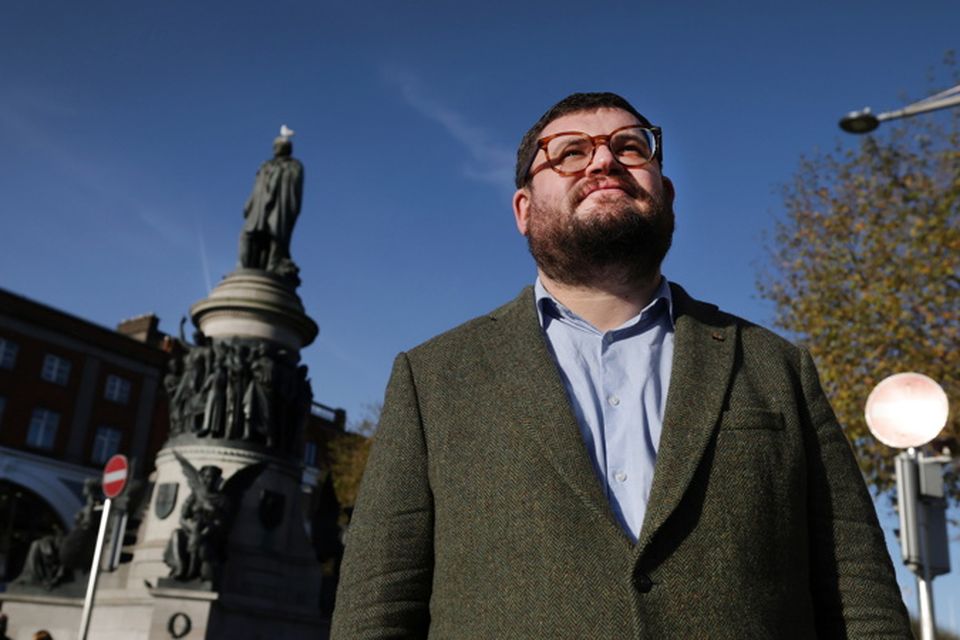
The absence of street names and significant landmarks dedicated to former Irish taoiseach and president Éamon de Valera has sparked discussions about how public commemorations reflect societal values and historical perspectives. A taxi driver in Dublin humorously remarked, “They never named a street after De Valera because they couldn’t find a road long and crooked enough,” indicating the contentious legacy surrounding the political figure.
Historical Context and Commemorations
Born in 1882, Éamon de Valera played a pivotal role in shaping modern Ireland, especially during the early 20th century. He served as taoiseach and later as president, overseeing significant changes in the nation’s governance and identity. Despite his contributions, he remains a polarizing figure, with many critics highlighting his authoritarian tendencies during his time in power. This complex legacy raises questions about how societies choose to commemorate historical figures.
In Dublin, several streets are named after prominent figures, including artists, politicians, and local heroes. Yet, the absence of a street named after de Valera prompts inquiries into the criteria used by local councils when honoring individuals. According to a report from the Irish Times in 2023, public sentiment plays a crucial role in naming decisions, with many advocating for inclusivity and representation of diverse perspectives in public monuments.
Controversial Commemorations and Public Sentiment
While some figures have streets named after them, others, like de Valera, remain absent from maps. This discrepancy illustrates how historical narratives are shaped by contemporary values. For instance, streets named after colonial figures or controversial politicians have faced calls for renaming as societies re-evaluate their historical contexts. The Public Monument Review Board has been established in some regions to address these concerns and engage with community opinions regarding the appropriateness of street names.
The naming of streets often reflects not only historical significance but also current societal values. Critics argue that commemorating figures like de Valera could overshadow other important narratives that deserve recognition. As local councils deliberate the significance of such names, the conversation surrounding de Valera’s legacy continues to evolve.
The debate extends beyond individual figures to encompass broader themes of representation and inclusivity. Many community members advocate for a more diverse array of names that reflect the multifaceted history of Ireland. The Irish Heritage Council has noted an increasing demand for names that acknowledge contributions from various cultural, social, and political backgrounds.
While the absence of a street name for de Valera might seem trivial, it illustrates the ongoing struggle to reconcile history with modern values. As cities evolve, so too do their narratives, leading to a dynamic reassessment of who is honored and why.
In conclusion, the conversation surrounding Éamon de Valera and the naming of streets in Ireland highlights the complexities of commemoration in contemporary society. As communities engage in discussions about their historical narratives, the names that adorn their streets serve as more than mere identifiers; they reflect the values, struggles, and aspirations of the societies they represent.

Galway Medtech Triumphs at 2025 Irish Medtech Awards

Urgent Warning: Common Cold Medication May Worsen Symptoms

Tragic Death Raises Concerns Over Freebirthing Practices

John Lewis Praises Co Tyrone School’s Heartwarming Christmas Video

Russia Launches Extensive Drone and Missile Assault on Ukraine

WPP Media’s Study Urges Shift in Irish Language Advertising Strategy

Rory McIlroy Faces Setback at Australian Open Due to Unfortunate Incident

John Lewis Praises Co Tyrone School’s Christmas Video, Community Thrilled

Athenry Event Honors Liam Mellows on 103rd Anniversary Tomorrow

Tributes Surge for 9-Year-Old Leon Briody After Cancer Battle

Aimee Osbourne Joins Family for Emotional Tribute to Ozzy

Danny Healy-Rae Considers Complaint After Altercation with Garda

Ireland Enjoys Summer Heat as Hurricane Erin Approaches Atlantic

Hawaii Commemorates 80 Years Since Hiroshima Bombing with Ceremony

Newcastle West Woman Patricia Foley Found Safe After Urgent Search

Fianna Fáil TDs Urgently Consider Maire Geoghegan-Quinn for Presidency

Couple Convicted of Murdering Two-Year-Old Grandson in Wales

Gaza Aid Distribution Tragedy: 20 Killed Amid Ongoing Violence
-
 Top Stories3 months ago
Tributes Surge for 9-Year-Old Leon Briody After Cancer Battle
-
 Entertainment4 months ago
Aimee Osbourne Joins Family for Emotional Tribute to Ozzy
-
 Politics4 months ago
Danny Healy-Rae Considers Complaint After Altercation with Garda
-
 Top Stories4 months ago
Ireland Enjoys Summer Heat as Hurricane Erin Approaches Atlantic
-
 World5 months ago
Hawaii Commemorates 80 Years Since Hiroshima Bombing with Ceremony
-
 Top Stories3 months ago
Newcastle West Woman Patricia Foley Found Safe After Urgent Search
-
 Top Stories5 months ago
Fianna Fáil TDs Urgently Consider Maire Geoghegan-Quinn for Presidency
-
 World5 months ago
Couple Convicted of Murdering Two-Year-Old Grandson in Wales
-
 World5 months ago
Gaza Aid Distribution Tragedy: 20 Killed Amid Ongoing Violence
-

 World5 months ago
Aristocrat Constance Marten and Partner Convicted of Infant Murder
-
 Top Stories4 months ago
Climbing Errigal: A Must-Do Summer Adventure in Donegal
-
 Top Stories4 months ago
Hike Donegal’s Errigal Mountain NOW for Unforgettable Summer Views