
Business
Discovering Japan’s Water Heritage in the Hokuriku-Shinetsu Region

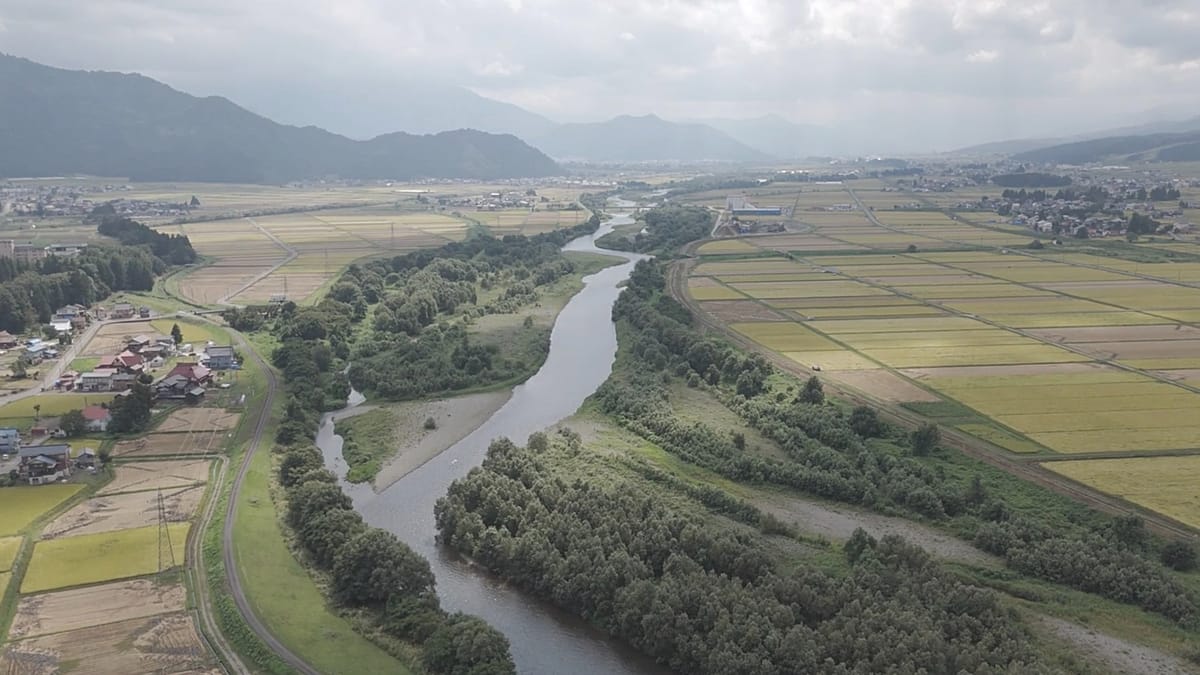
Water plays a crucial role in shaping the culture and daily life of Japan’s Hokuriku-Shinetsu region. Known for its stunning landscapes and rich traditions, this area offers a unique opportunity for visitors to connect with a way of life deeply influenced by its abundant water resources. From snowmelt that nourishes the land to natural springs sustaining local communities, the significance of water is woven into the fabric of this region, making it an ideal destination for those seeking both adventure and cultural immersion.
Exploring the Snow Country Trail
A highlight of any journey in Hokuriku-Shinetsu is traversing the Snow Country Trail, which spans approximately 307 kilometers across its mountainous terrain. This region is one of the world’s snowiest inhabited areas, fostering communities that have uniquely adapted to its harsh winter conditions. The trail combines physical activity with cultural experiences, accessible even to beginners through guided eco-tours.
Starting in Minakami Town, a UNESCO Biosphere Reserve in Gunma Prefecture, the journey continues into the Uonuma region of Niigata Prefecture. Guided tours typically utilize e-bikes and local train services, allowing visitors to cover significant distances while enjoying breathtaking scenery. A recommended three-day itinerary showcases how water and snow shape the local way of life, offering insights into the region’s rich heritage.
Journey Through Historic and Cultural Landscapes
The adventure often begins in Minakami, where the Tone River flows from Mt. Ominakami-yama. This river is vital, supplying water to millions in Tokyo. Visitors can cycle along its banks, exploring the lush valleys before unwinding at Tanigawa Onsen. An overnight stay at the eco-friendly Ryokan Tanigawa allows guests to experience local hospitality, with traditional cuisine served alongside stunning views of Mt. Tanigawa.
Day two involves crossing the Joetsu border, retracing routes described in the literary works of KAWABATA Yasunari, particularly his renowned novel, “Snow Country.” Modern travel along the JR Joetsu Line offers a scenic and smooth journey compared to the historically challenging route over the Shimizu Pass. The day concludes in Muikamachi, where visitors can stay at Ryugon, a lodge that beautifully integrates traditional architecture with eco-friendly practices.
The final day focuses on the Uonuma area, famed for its rice production, which thrives due to the region’s snowmelt and mountain springs. An optional dawn hike up Mt. Sakado rewards early risers with stunning views of the unkai, or “sea of clouds.” Exploring local temples, such as Saifukuji Temple, reveals exquisite carvings by artist ISHIKAWA Uncho, known as the “Michelangelo of Japan.” Tour guides provide valuable insights into the history and cultural significance of the region, showcasing the wisdom and resilience of its inhabitants.
According to HOSOYA Tomoko, Secretary General of the Snow Country Tourism Zone, the Hokuriku-Shinetsu region has been continuously inhabited for over 8,000 years, making it a remarkable example of human adaptation to extreme weather. Traditional practices, such as storing vegetables in “snow rooms,” demonstrate how locals have utilized their natural environment to preserve food. The long winters have also fostered exquisite weaving traditions, exemplified by Sakai Orimono, a weaver preserving authentic Shiozawa Kasuri.
The region’s celebrated sake culture is heavily influenced by its water sources. Hakkaisan Brewery, established in 1922, utilizes soft spring water from Mt. Hakkai’s Raiden spring to produce its renowned sake, blending this pristine water with carefully chosen rice.
Matsumoto and Azumino: Water’s Vital Role
Beyond the snowy mountains, the historic castle town of Matsumoto illustrates another facet of water’s significance in Japanese life. Springs fed by snowmelt from the Japan Alps provide numerous wells throughout the city, known collectively as the “Matsumoto Castle Town Springs.” This pure water is essential for daily life, supporting local industries like coffee brewing, rice cooking, and the preparation of traditional dishes such as tofu and mizu-yokan, a sweet red bean jelly.
Visitors can explore the town and trace its water routes, discovering historical sites like the Genchi Well, which has supplied fresh water for nearly two centuries. The Iori Reisui Well, connected to the legacy of samurai SUZUKI Iori, highlights the deep historical ties between the town and its water resources. Even the moat of Matsumoto Castle relies on these springs, emphasizing the integral role of water in the town’s identity.
In nearby Azumino, water continues to define local life. Renowned for its spring resources, Azumino is recognized as one of the “100 Famous Waters” by the Ministry of the Environment. The meltwater from the Northern Alps feeds both expansive wasabi farms and rice paddies, supporting a thriving agricultural community. Azumino is also a leading area for rainbow trout farming, further demonstrating the reliance on clean water.
The history of water management in Azumino reflects a community effort, with the Jikkasegi irrigation channels established in the early 19th century through the collaboration of thousands of farmers. This collective initiative remains vital to local agriculture today.
In summary, the Hokuriku-Shinetsu region offers a profound connection to Japan’s water heritage. Visitors can engage with the landscape, savor local cuisine, and witness the harmonious relationship between the people and their environment. As travelers explore this water-rich area, they not only experience its natural beauty but also contribute to the preservation of its cultural and environmental legacy.

Galway Man Sentenced to 1 Year for Disturbing Child Abuse Material

Supreme Court Rejects Conor McGregor’s Appeal in Assault Case

Supreme Court Rejects Conor McGregor’s Appeal in Assault Case

Security for Former Garda Commissioner’s Home Cost Over €212,000

Eurovision Faces Boycott as Four Countries Withdraw Over Israel’s Participation

Urgent Vaccination Call as Flu Hospitalizations Surge 100%

Aer Lingus Pilot’s Demotion Sparks Controversy Over Safety Reporting

US Envoys to Hold Urgent Peace Talks with Ukraine in Florida

Urgent: Gardai Recover Multiple Firearms in Co Cork Today

Tributes Surge for 9-Year-Old Leon Briody After Cancer Battle

Aimee Osbourne Joins Family for Emotional Tribute to Ozzy

Danny Healy-Rae Considers Complaint After Altercation with Garda

Ireland Enjoys Summer Heat as Hurricane Erin Approaches Atlantic

Hawaii Commemorates 80 Years Since Hiroshima Bombing with Ceremony

Newcastle West Woman Patricia Foley Found Safe After Urgent Search

Fianna Fáil TDs Urgently Consider Maire Geoghegan-Quinn for Presidency

Couple Convicted of Murdering Two-Year-Old Grandson in Wales

Gaza Aid Distribution Tragedy: 20 Killed Amid Ongoing Violence
-
 Top Stories3 months ago
Tributes Surge for 9-Year-Old Leon Briody After Cancer Battle
-
 Entertainment4 months ago
Aimee Osbourne Joins Family for Emotional Tribute to Ozzy
-
 Politics4 months ago
Danny Healy-Rae Considers Complaint After Altercation with Garda
-
 Top Stories4 months ago
Ireland Enjoys Summer Heat as Hurricane Erin Approaches Atlantic
-
 World5 months ago
Hawaii Commemorates 80 Years Since Hiroshima Bombing with Ceremony
-
 Top Stories3 months ago
Newcastle West Woman Patricia Foley Found Safe After Urgent Search
-
 Top Stories5 months ago
Fianna Fáil TDs Urgently Consider Maire Geoghegan-Quinn for Presidency
-
 World5 months ago
Couple Convicted of Murdering Two-Year-Old Grandson in Wales
-
 World5 months ago
Gaza Aid Distribution Tragedy: 20 Killed Amid Ongoing Violence
-

 World5 months ago
Aristocrat Constance Marten and Partner Convicted of Infant Murder
-

 Top Stories4 months ago
Climbing Errigal: A Must-Do Summer Adventure in Donegal
-

 Top Stories4 months ago
Hike Donegal’s Errigal Mountain NOW for Unforgettable Summer Views