
Business
Ireland’s Energy Future: Renewables Pave the Path to Security

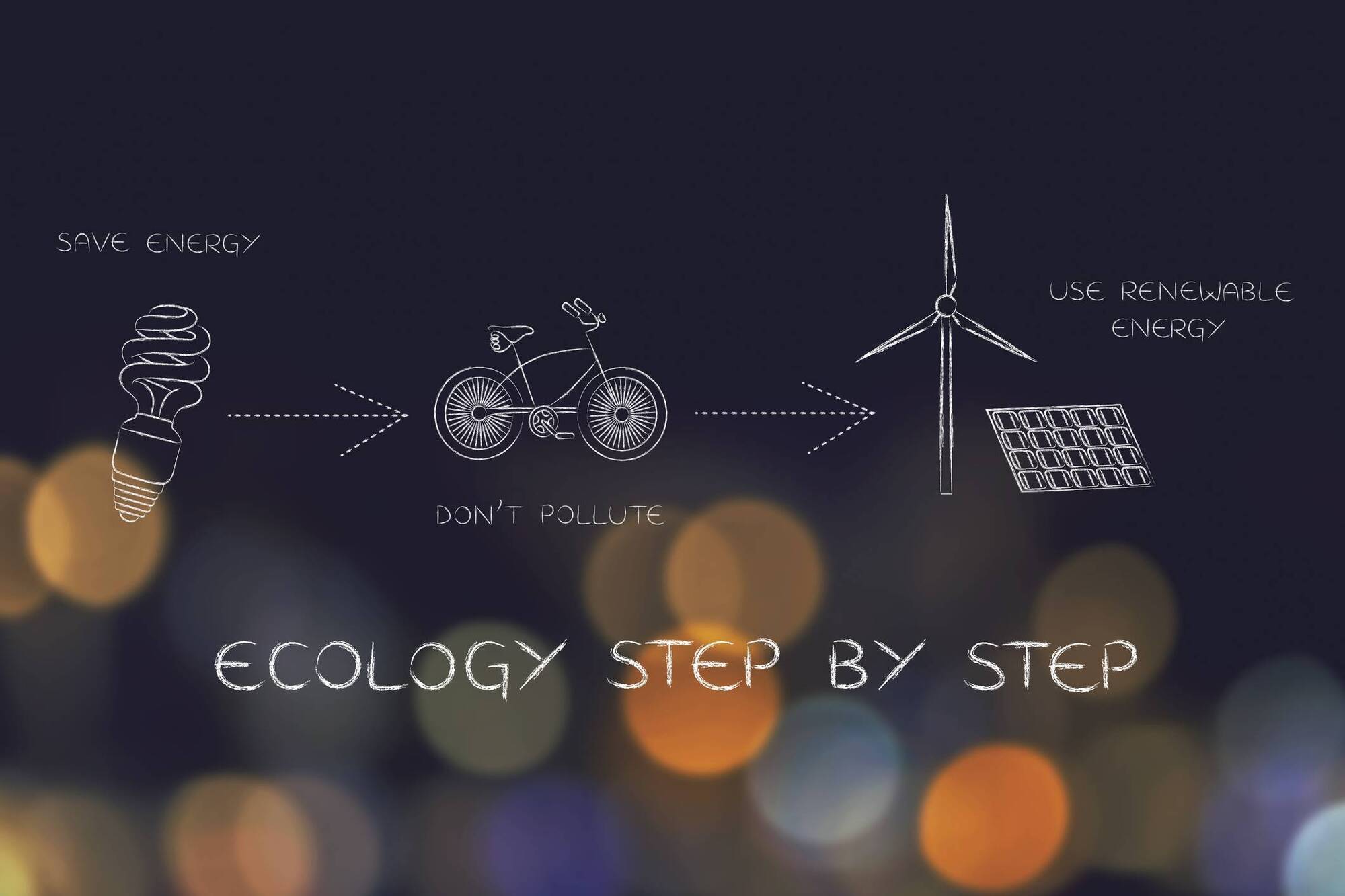
At the recent Energy Conference held in September 2023, Mason Hayes & Curran (MHC) gathered insights from 250 energy stakeholders regarding Ireland’s energy security and market dynamics. The discussions focused on the crucial role of renewable energy in achieving a secure power supply and the challenges that Ireland faces in its transition to net-zero emissions.
Eoin Cassidy, the energy sector lead at MHC, emphasized that if Ireland aims for true energy independence, it must rely on renewable sources. He highlighted that a combination of domestic renewable generation and battery storage—both long and short duration—will be essential for developing a secure and competitive energy system, which is expected to lead to lower energy prices over time.
A significant finding from the MHC survey revealed that **67 percent** of participants believe prioritizing energy security is more important than relying on cheaper imported power. This raises questions about the future direction of energy policy in Ireland and whether the **33 percent** who prioritize cost savings will influence decision-making.
While achieving lower energy costs remains a long-term goal, Cassidy noted that initial investments are necessary to secure energy supply. A collaborative approach involving government, regulators, grid operators, and industry stakeholders could unlock substantial investment opportunities. “The more attractive a market is, the cheaper the capital will become,” Cassidy stated, pointing out that this ultimately benefits consumers and society.
Market uncertainty emerged as a critical barrier to financing new renewable technologies, with **73 percent** of experts citing it as the primary obstacle. Cassidy explained that institutional investors require a stable policy environment to commit funds. He also mentioned that emerging technologies like biomethane and hydrogen, combined with gas-fired backup, could serve as transitional solutions to enhance security of supply while renewable capacity increases.
The planning process remains a notable hurdle, with **53 percent** of respondents identifying it as the biggest challenge to financing onshore wind and solar projects. The recently enacted Planning and Development Act 2024 aims to address these issues, but Cassidy expressed skepticism regarding its effectiveness in reducing judicial reviews and expediting decision-making. He noted that developers often face extensive follow-up requests that prolong the application process, hindering progress and complicating supply-chain logistics.
Despite these challenges, Cassidy acknowledged improvements in government engagement and a decrease in consenting timelines since the establishment of An Coimisiún Pleanála. For instance, decisions on solar farm applications, which typically took **57 weeks** in 2023, have been reduced to **28 weeks** by the first quarter of 2025. Similarly, planning appeals for wind farms have decreased from an average of **111 weeks** to approximately **27 weeks**.
Among the surveyed stakeholders, **34 percent** indicated that the financing climate for Irish renewable assets is improving. Cassidy noted the difficulties the sector has faced in recent years, mainly due to a limited number of projects and competing investment opportunities with lower risks. However, the financing market is becoming more active, supported by improved macroeconomic conditions and an increase in state-backed contracts and corporate power purchase agreements (PPAs).
As Ireland seeks to meet its obligations under the Paris Agreement, which aims to limit global temperature rise to **1.5°C**, Cassidy stressed the need for substantial investment. “Ireland will be competing for the capital required to deliver those goals with the rest of the world, but I am hopeful that it will remain a competitive jurisdiction to attract that investment,” he stated.
Challenges persist in delivering renewable energy, particularly in overcoming planning delays and grid limitations. Cassidy emphasized the importance of successfully executing the initial offshore wind projects, as their success will attract supply chains and help control costs. Rising equipment and financing costs have made project delivery increasingly difficult, with developers often needing to bid for state support long before securing planning or accurate cost data.
The current model for project bidding necessitates a reconsideration of timing and process. Cassidy proposed a two-stage approach: first, allocate seabed rights, and then conduct price auctions after planning consent and design are finalized. This would mitigate speculative bidding and enhance project viability.
The grid also poses significant challenges, particularly as offshore energy sources connect to the mainland. Cassidy suggested that co-locating large batteries or flexible demand resources, such as data centers, at landing points could alleviate some of the bottlenecks in the current infrastructure.
In terms of onshore wind, solar, and repowering, Cassidy stated that the most efficient gains come from updating existing wind farms and integrating solar or storage solutions at sites already connected to the grid. While recent regulations have allowed for greater flexibility, consistent planning certainty remains vital for repowering and extending the life of older installations.
Regarding the role of gas and hydrogen in Ireland’s energy strategy, Cassidy noted that while gas has historically supported reliability, long-term dependence poses risks as usage declines. He identified green hydrogen as particularly promising for long-duration storage, although its utility for heating, transport, or large-scale export remains limited.
To maximize the benefits of renewable energy, Cassidy urged prioritizing domestic power use over exports. He advocated for leveraging clean energy to support high-value sectors, such as data, pharmaceuticals, and advanced manufacturing, while also strategically selecting offshore sites to minimize construction costs.
In conclusion, Cassidy’s central message was clear: to scale up renewable energy while maintaining competitiveness, Ireland must streamline auctions and planning processes. Integrating grid management, storage, and demand strategies will help prevent bottlenecks. By prioritizing low-cost initiatives like repowering and co-location, Ireland can accelerate renewable delivery, attract necessary investments, and ensure energy remains affordable for both businesses and consumers.

Study Reveals Tattoos May Compromise Immune System Health

John Shortt Shatters World Junior Record, Wins European Gold

UK Government Unveils Child Poverty Strategy Amid Political Distractions

WPP Media Unveils Irish Language Advertising’s Dependency Dilemma

Munster Rugby’s Identity Crisis: A New Era Under Clayton McMillan

Far-Right Speaker Creates Stir at AfD Youth Conference

Munster vs Bath: Kickoff Time and Channels for Champions Cup Clash

Urgent Update: Mystery Surrounds Martha Nolan’s Tragic Death

Galway’s Handel’s Messiah Returns: 150 Performers Set for December 14

Tributes Surge for 9-Year-Old Leon Briody After Cancer Battle

Aimee Osbourne Joins Family for Emotional Tribute to Ozzy

Danny Healy-Rae Considers Complaint After Altercation with Garda

Ireland Enjoys Summer Heat as Hurricane Erin Approaches Atlantic

Hawaii Commemorates 80 Years Since Hiroshima Bombing with Ceremony

Newcastle West Woman Patricia Foley Found Safe After Urgent Search

Fianna Fáil TDs Urgently Consider Maire Geoghegan-Quinn for Presidency

Couple Convicted of Murdering Two-Year-Old Grandson in Wales

Gaza Aid Distribution Tragedy: 20 Killed Amid Ongoing Violence
-
 Top Stories3 months ago
Tributes Surge for 9-Year-Old Leon Briody After Cancer Battle
-
 Entertainment4 months ago
Aimee Osbourne Joins Family for Emotional Tribute to Ozzy
-
 Politics4 months ago
Danny Healy-Rae Considers Complaint After Altercation with Garda
-
 Top Stories4 months ago
Ireland Enjoys Summer Heat as Hurricane Erin Approaches Atlantic
-
 World5 months ago
Hawaii Commemorates 80 Years Since Hiroshima Bombing with Ceremony
-
 Top Stories3 months ago
Newcastle West Woman Patricia Foley Found Safe After Urgent Search
-
 Top Stories5 months ago
Fianna Fáil TDs Urgently Consider Maire Geoghegan-Quinn for Presidency
-
 World5 months ago
Couple Convicted of Murdering Two-Year-Old Grandson in Wales
-
 World5 months ago
Gaza Aid Distribution Tragedy: 20 Killed Amid Ongoing Violence
-

 World5 months ago
Aristocrat Constance Marten and Partner Convicted of Infant Murder
-

 Top Stories4 months ago
Climbing Errigal: A Must-Do Summer Adventure in Donegal
-

 Top Stories4 months ago
Hike Donegal’s Errigal Mountain NOW for Unforgettable Summer Views