
Entertainment
Discover Ireland’s Rich Mythology: Legends and Folklore Explored

Irish mythology is a tapestry woven with enchanting tales and legendary figures that capture the imagination. From the mischievous leprechauns to the haunting banshees, the stories of Ireland reveal deep cultural roots and a unique perspective on life and nature. Each tale holds a mirror to the values and beliefs of the Irish people, making these myths an integral part of the national identity.
The Enigmatic Leprechaun
The leprechaun stands as one of Ireland’s most recognized mythical figures. Originally depicted as tall fairies, the image has transformed over centuries to the pint-sized, bearded man we know today. According to legend, these little creatures guard pots of gold hidden at the ends of rainbows. If captured by a human, a leprechaun is compelled to grant three wishes for their release. This charming myth has endured since medieval times, captivating the hearts of both locals and visitors alike.
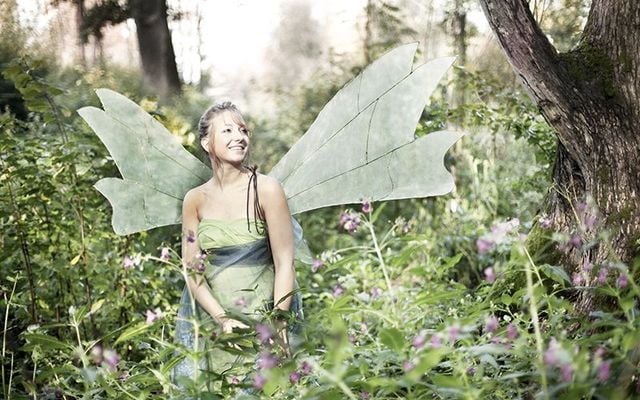
Fairies, another staple of Irish folklore, embody the mystical essence of nature. They can take various forms but are often seen as human-like beings. Their enchanting allure can lead to misfortune for those who encounter them, reflecting the dual nature of beauty and danger in the wild Irish landscape.
Legends of Great Heroes
Among the heroic figures in Irish mythology is Finn McCool, the son of Cumhall and leader of the Fianna. His tale is one of accidental wisdom. Finn was tasked with cooking a magical salmon from the River Boyne, which was said to contain all the knowledge of the world. A moment of carelessness led Finn to burn his finger, and in an instinctive reaction, he placed his finger in his mouth. This act granted him immense knowledge, making him a key figure in Irish folklore.
The shamrock, often associated with Saint Patrick, is another significant symbol of Ireland. Its three heart-shaped leaves are believed to represent the Holy Trinity. Historically, druids held the shamrock as sacred, believing it to ward off evil spirits. Saint Patrick himself is said to have used the shamrock to explain Christian concepts to the Irish people, further embedding it into the cultural fabric.
Despite being celebrated for many contributions, Saint Patrick is also known for a myth that claims he banished all snakes from Ireland. Scientific evidence suggests that snakes were never present on the island due to its cold climate, highlighting how myth can intertwine with history.
The story of the Children of Lir is a poignant tale of love and betrayal. After the death of their mother, Lir remarries Aoife, who, consumed by jealousy, transforms the children into swans for nine centuries. This tragic narrative emphasizes themes of loss and the enduring power of familial love, culminating in Lir’s transformation of Aoife into an air demon.
Folk Figures and Their Significance
Another notable figure is the Pooka, a shapeshifting creature believed to bring both fortune and misfortune. Descriptions of the Pooka vary widely, ranging from a black horse to a human figure. In rural communities, offerings were sometimes made to the Pooka in hopes of securing a benevolent harvest or favorable conditions.
The Banshee, whose name derives from the Irish “Bean Sí” meaning “fairy woman,” is often depicted as a harbinger of death. Traditionally, it is believed that the banshee’s wail signals the impending death of a family member. This myth likely evolved from the custom of keening, where women would sing laments during funerals, further embedding the banshee into the cultural psyche.
The Cliffs of Moher serve as a stunning backdrop for many Irish legends. One such story involves Dagda, the high king of the Tuatha de Danaan. In a tale of bravery, Dagda’s magical harp, which could evoke emotions ranging from laughter to deep sorrow, was stolen during battle. His call to the harp brought it back, illustrating the deep connection between the hero and his enchanted instrument.
Changelings, another fascinating aspect of Irish folklore, refer to fairy offspring left in place of human babies. This phenomenon often stemmed from the belief that fairies would take human children for various reasons, including affection or malice. The concept gained further attention due to literary references, including those by Shakespeare in “A Midsummer Night’s Dream.”
These stories not only entertain but also serve as cultural touchstones that resonate with the Irish identity. They reflect the values, fears, and hopes of the people, providing a glimpse into a world where the mystical and the real coexist. Irish folklore continues to inspire and captivate, inviting exploration and appreciation from all who wish to delve into its rich narrative tradition.

Taxi Drivers Launch Urgent Protest in Galway Next Week

WPP Media Unveils Irish Language Advertising’s Dependency Dilemma

Rory McIlroy Eyes Comeback at Crown Australian Open

Nigel Farage Faces Growing Racism Allegations at Press Conference

Irishman James Graham Honored for Valor at Waterloo Battle

Ireland Joins Global Crackdown on Tax Evasion for Foreign Properties

Discover Ireland’s Rich Mythology: Legends and Folklore Explored

Irish Hero James Graham Honored as Bravest at Waterloo Battle

Dublin Taxi Drivers Launch Six-Day Protests, Urge Action Now

Tributes Surge for 9-Year-Old Leon Briody After Cancer Battle

Aimee Osbourne Joins Family for Emotional Tribute to Ozzy

Danny Healy-Rae Considers Complaint After Altercation with Garda

Ireland Enjoys Summer Heat as Hurricane Erin Approaches Atlantic

Hawaii Commemorates 80 Years Since Hiroshima Bombing with Ceremony

Newcastle West Woman Patricia Foley Found Safe After Urgent Search

Fianna Fáil TDs Urgently Consider Maire Geoghegan-Quinn for Presidency

Couple Convicted of Murdering Two-Year-Old Grandson in Wales

Gaza Aid Distribution Tragedy: 20 Killed Amid Ongoing Violence
-
 Top Stories3 months ago
Tributes Surge for 9-Year-Old Leon Briody After Cancer Battle
-
 Entertainment4 months ago
Aimee Osbourne Joins Family for Emotional Tribute to Ozzy
-
 Politics4 months ago
Danny Healy-Rae Considers Complaint After Altercation with Garda
-
 Top Stories4 months ago
Ireland Enjoys Summer Heat as Hurricane Erin Approaches Atlantic
-
 World5 months ago
Hawaii Commemorates 80 Years Since Hiroshima Bombing with Ceremony
-
 Top Stories3 months ago
Newcastle West Woman Patricia Foley Found Safe After Urgent Search
-
 Top Stories5 months ago
Fianna Fáil TDs Urgently Consider Maire Geoghegan-Quinn for Presidency
-
 World5 months ago
Couple Convicted of Murdering Two-Year-Old Grandson in Wales
-
 World5 months ago
Gaza Aid Distribution Tragedy: 20 Killed Amid Ongoing Violence
-

 World5 months ago
Aristocrat Constance Marten and Partner Convicted of Infant Murder
-

 Top Stories4 months ago
Climbing Errigal: A Must-Do Summer Adventure in Donegal
-

 Top Stories4 months ago
Hike Donegal’s Errigal Mountain NOW for Unforgettable Summer Views