
Health
Flu Vaccination Rates in Europe Lag Behind Targets as Season Begins

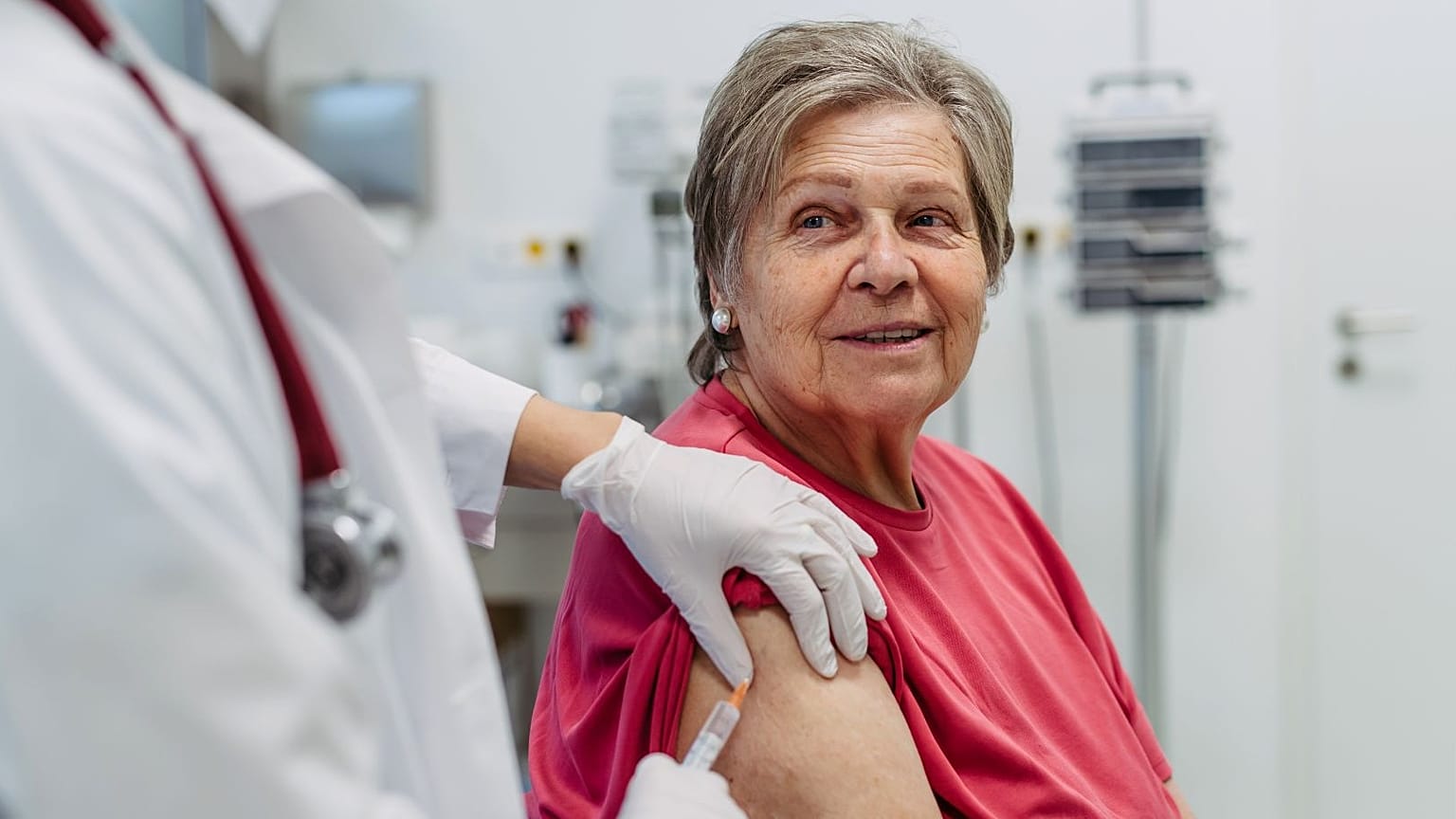
Vaccination rates for influenza across Europe remain alarmingly low, according to new data from the European Centre for Disease Prevention and Control (ECDC). With the flu season commencing, health officials have reported that immunisation rates are “sub-optimal” in many countries, which could pose significant health risks as the flu virus spreads. The flu season typically spans from mid-November to late May, and the previous season (2024-2025) was notably severe, affecting up to one in five Europeans annually.
Influenza is linked to approximately 27,600 deaths each year in the European Union. On Thursday, health authorities highlighted the early onset of influenza this year, primarily due to a new strain of the H3N2 variant known as subclade K. Experts warn that this could lead to a longer and potentially harsher flu season.
Annual vaccinations are critical for safeguarding vulnerable populations, including older adults, individuals with chronic health conditions, pregnant women, young children, and healthcare workers. Despite this, the ECDC’s analysis reveals that many countries fell significantly short of vaccination targets during the last flu season. The report covers all 27 EU member states along with Iceland, Liechtenstein, and Norway.
Vaccination Rates Discrepancies Across Europe
The ECDC stated, “It is evident that vaccination policies still fall short of meeting sufficient levels of uptake across key target groups, including older adults.” For instance, vaccination rates among older adults varied dramatically, with figures dropping below 15 percent in Latvia and Poland, while Denmark reported a much higher rate of 76 percent. The median vaccination rate across Europe was approximately 47 percent, with only Ireland, Portugal, and Sweden nearing the EU’s target of 75 percent for older adults.
Achieving this target has consistently proven challenging. Over the past five years, the median vaccination rate peaked during the 2021-2022 flu season at 59 percent, coinciding with the COVID-19 pandemic. The ECDC noted, “Levels of uptake continue therefore to remain sub-optimal in most EU countries, without overall further progress since the past annual influenza seasons.”
Challenges in Vaccination for Healthcare Workers and Pregnant Women
The report also examined vaccination recommendations for healthcare workers, indicating that 23 countries advocate for flu vaccinations among this group. Yet, reported rates among healthcare workers varied significantly, ranging from about 14 percent in Slovenia to 51 percent in Norway.
Among the eight countries that provided data on pregnant women, the median vaccination rate stood at just 22 percent. Spain led with a considerably higher rate of around 61 percent, while several other countries reported rates below 10 percent.
Progress has been made in some areas. All 30 countries surveyed now have specific vaccination recommendations for children or teenagers, a significant increase from 18 countries the previous season. Despite this, actual vaccine uptake remains low, highlighting the need for better public health strategies.
The ECDC emphasized that health agencies must enhance efforts to promote flu vaccinations beyond merely updating official guidelines. They stated, “Seasonal influenza vaccination remains a key public health intervention.” The ongoing challenges in vaccination uptake underscore the need for urgent action to protect public health as the flu season progresses.

Irish Stone Lifting Revolution Gains Momentum Amid Covid Recovery

Health Insurers Hike Prices Again; Average Premiums Near €2,000

Health Insurers Hike Prices Again: Average Premiums Soar 8%

Dublin Man Gets 20-Month Suspended Sentence for Money Laundering

Transforming Teen Anxiety: Building Self-Belief Through Experience

Helen Flanagan Dazzles in Red Lingerie Amid Online Criticism

Former Councillor Receives Suspended Sentence for Harassment

New Research Reveals Connection’s Role in Audio Consumption

Neville Critiques Manchester United’s Softness After West Ham Draw

Tributes Surge for 9-Year-Old Leon Briody After Cancer Battle

Aimee Osbourne Joins Family for Emotional Tribute to Ozzy

Danny Healy-Rae Considers Complaint After Altercation with Garda

Ireland Enjoys Summer Heat as Hurricane Erin Approaches Atlantic

Hawaii Commemorates 80 Years Since Hiroshima Bombing with Ceremony

Newcastle West Woman Patricia Foley Found Safe After Urgent Search

Fianna Fáil TDs Urgently Consider Maire Geoghegan-Quinn for Presidency

Couple Convicted of Murdering Two-Year-Old Grandson in Wales

Gaza Aid Distribution Tragedy: 20 Killed Amid Ongoing Violence
-
 Top Stories3 months ago
Tributes Surge for 9-Year-Old Leon Briody After Cancer Battle
-
 Entertainment4 months ago
Aimee Osbourne Joins Family for Emotional Tribute to Ozzy
-
 Politics4 months ago
Danny Healy-Rae Considers Complaint After Altercation with Garda
-
 Top Stories4 months ago
Ireland Enjoys Summer Heat as Hurricane Erin Approaches Atlantic
-
 World5 months ago
Hawaii Commemorates 80 Years Since Hiroshima Bombing with Ceremony
-
 Top Stories3 months ago
Newcastle West Woman Patricia Foley Found Safe After Urgent Search
-
 Top Stories5 months ago
Fianna Fáil TDs Urgently Consider Maire Geoghegan-Quinn for Presidency
-
 World5 months ago
Couple Convicted of Murdering Two-Year-Old Grandson in Wales
-
 World5 months ago
Gaza Aid Distribution Tragedy: 20 Killed Amid Ongoing Violence
-

 World5 months ago
Aristocrat Constance Marten and Partner Convicted of Infant Murder
-

 Top Stories4 months ago
Climbing Errigal: A Must-Do Summer Adventure in Donegal
-

 Top Stories4 months ago
Hike Donegal’s Errigal Mountain NOW for Unforgettable Summer Views