
Health
Health Expert Warns Christmas Items in Homes May Trigger Allergies

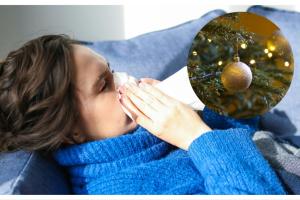
As the festive season unfolds, households in Ireland are preparing for celebrations, but health experts are cautioning that common Christmas items may trigger unwanted allergic reactions. Dr. Neel Patel, a General Practitioner at LloydsPharmacy Online Doctor, has highlighted the potential risks associated with holiday decorations and other seasonal items that could lead to symptoms often mistaken for colds or even Covid-19.
Many cherished decorations are stored away for most of the year, accumulating dust and allergens. Dr. Patel explains that when decorations are disturbed during the festive preparations, particles such as pollen, mould spores, and dust mites can become airborne. This can be particularly problematic for individuals sensitive to these allergens.
To mitigate the risk of allergic reactions, Dr. Patel recommends cleaning decorations with a damp cloth before use. Additionally, storing items in airtight containers or vacuum-sealed bags can help reduce dust accumulation when not in use.
Risks Posed by Candles and Natural Decorations
Another common item in festive celebrations, scented candles, can also contribute to allergic reactions. According to Dr. Patel, many of these candles contain synthetic fragrances and additives that emit volatile organic compounds (VOCs) when burned. These compounds can irritate the respiratory system, leading to symptoms such as coughing, sneezing, and congestion. For those particularly sensitive to these chemicals, opting for unscented candles or avoiding them altogether may be the best approach.
Moreover, natural decorations like Christmas trees and wreaths can harbor mould spores. When these items are brought indoors and placed in a warm environment, any existing spores can become airborne, triggering allergy symptoms in susceptible individuals. Dr. Patel warns that mould spores are a common allergen, and exposure can lead to reactions such as sneezing, coughing, and in some cases, more serious respiratory issues.
For individuals with asthma or a history of allergies related to real trees, Dr. Patel suggests considering artificial decorations as a safer alternative.
As the holiday season approaches, being mindful of these potential allergens can help ensure a healthier and more enjoyable festive experience for everyone.

Galway Man Sentenced to 1 Year for Disturbing Child Abuse Material

Supreme Court Rejects Conor McGregor’s Appeal in Assault Case

Supreme Court Rejects Conor McGregor’s Appeal in Assault Case

Security for Former Garda Commissioner’s Home Cost Over €212,000

Eurovision Faces Boycott as Four Countries Withdraw Over Israel’s Participation

Urgent Vaccination Call as Flu Hospitalizations Surge 100%

Aer Lingus Pilot’s Demotion Sparks Controversy Over Safety Reporting

US Envoys to Hold Urgent Peace Talks with Ukraine in Florida

Urgent: Gardai Recover Multiple Firearms in Co Cork Today

Tributes Surge for 9-Year-Old Leon Briody After Cancer Battle

Aimee Osbourne Joins Family for Emotional Tribute to Ozzy

Danny Healy-Rae Considers Complaint After Altercation with Garda

Ireland Enjoys Summer Heat as Hurricane Erin Approaches Atlantic

Hawaii Commemorates 80 Years Since Hiroshima Bombing with Ceremony

Newcastle West Woman Patricia Foley Found Safe After Urgent Search

Fianna Fáil TDs Urgently Consider Maire Geoghegan-Quinn for Presidency

Couple Convicted of Murdering Two-Year-Old Grandson in Wales

Gaza Aid Distribution Tragedy: 20 Killed Amid Ongoing Violence
-
 Top Stories3 months ago
Tributes Surge for 9-Year-Old Leon Briody After Cancer Battle
-
 Entertainment4 months ago
Aimee Osbourne Joins Family for Emotional Tribute to Ozzy
-
 Politics4 months ago
Danny Healy-Rae Considers Complaint After Altercation with Garda
-
 Top Stories4 months ago
Ireland Enjoys Summer Heat as Hurricane Erin Approaches Atlantic
-
 World5 months ago
Hawaii Commemorates 80 Years Since Hiroshima Bombing with Ceremony
-
 Top Stories3 months ago
Newcastle West Woman Patricia Foley Found Safe After Urgent Search
-
 Top Stories5 months ago
Fianna Fáil TDs Urgently Consider Maire Geoghegan-Quinn for Presidency
-
 World5 months ago
Couple Convicted of Murdering Two-Year-Old Grandson in Wales
-
 World5 months ago
Gaza Aid Distribution Tragedy: 20 Killed Amid Ongoing Violence
-

 World5 months ago
Aristocrat Constance Marten and Partner Convicted of Infant Murder
-

 Top Stories4 months ago
Climbing Errigal: A Must-Do Summer Adventure in Donegal
-

 Top Stories4 months ago
Hike Donegal’s Errigal Mountain NOW for Unforgettable Summer Views