
Health
Kildare Woman Advocates for Toilet Access Law Reform

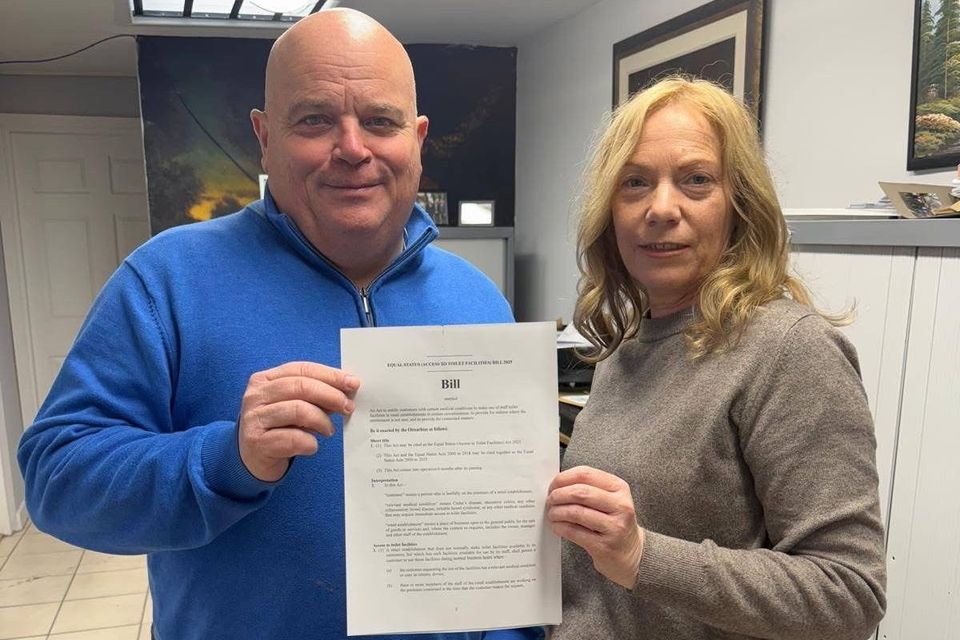
A woman from Kildare, Ireland, is urging a reform in toilet access laws following her diagnosis with a debilitating bladder condition. Maria Crowe, who suffers from interstitial cystitis, also known as painful bladder syndrome, is advocating for greater accessibility to public restrooms, citing the impact on her dignity and quality of life.
Maria Crowe was diagnosed with interstitial cystitis four years ago, a chronic condition that leads to significant bladder pressure, pain, and sometimes pelvic discomfort. This illness has drastically altered her daily routine and has highlighted systemic issues regarding restroom availability in public spaces.
Crowe’s condition often requires her to use the restroom urgently, making it difficult to navigate public areas without suitable facilities. She has experienced situations where the lack of accessible toilets has forced her to delay important activities or avoid certain locations altogether. Her experiences resonate with many who share similar health challenges but lack the necessary accommodations.
The current legal framework in Ireland, particularly the Disability Act 2005, does not mandate restroom access in the same way it does for other facilities. Crowe argues that this gap in legislation fails to consider the needs of individuals with chronic health conditions.
“Access to toilets should be a fundamental right,” Crowe stated. “When you are constantly worried about finding a restroom, your dignity is taken away. This is not just about convenience; it’s about basic human rights.”
Crowe’s call to action has garnered attention, and she hopes to inspire change at the governmental level. She is advocating for policies that would require public spaces to provide adequate restroom facilities, ensuring that those with medical conditions like hers do not face additional barriers.
Public advocacy groups have begun to support Crowe’s efforts, emphasizing the importance of creating inclusive environments. They argue that improved access to toilets is crucial not only for people with bladder conditions but also for parents with small children, the elderly, and others who may have urgent needs.
Crowe plans to continue her campaign, seeking meetings with local politicians and health officials to discuss potential reforms. Her goal is to raise awareness about the issue and push for legislation that reflects the needs of all citizens, regardless of their health status.
As Crowe forges ahead with her advocacy, she reflects on her journey: “I want to ensure that no one else has to go through what I’ve experienced. Everyone deserves the right to access basic facilities without fear or hesitation.”
By sharing her story and advocating for legislative change, Maria Crowe is not only fighting for her own rights but also for those of countless others facing similar challenges. Her determination highlights the need for a shift in how society accommodates individuals with chronic health issues.

Irish Stone Lifting Revolution Gains Momentum Amid Covid Recovery

Health Insurers Hike Prices Again; Average Premiums Near €2,000

Health Insurers Hike Prices Again: Average Premiums Soar 8%

Dublin Man Gets 20-Month Suspended Sentence for Money Laundering

Transforming Teen Anxiety: Building Self-Belief Through Experience

Helen Flanagan Dazzles in Red Lingerie Amid Online Criticism

Former Councillor Receives Suspended Sentence for Harassment

New Research Reveals Connection’s Role in Audio Consumption

Neville Critiques Manchester United’s Softness After West Ham Draw

Tributes Surge for 9-Year-Old Leon Briody After Cancer Battle

Aimee Osbourne Joins Family for Emotional Tribute to Ozzy

Danny Healy-Rae Considers Complaint After Altercation with Garda

Ireland Enjoys Summer Heat as Hurricane Erin Approaches Atlantic

Hawaii Commemorates 80 Years Since Hiroshima Bombing with Ceremony

Newcastle West Woman Patricia Foley Found Safe After Urgent Search

Fianna Fáil TDs Urgently Consider Maire Geoghegan-Quinn for Presidency

Couple Convicted of Murdering Two-Year-Old Grandson in Wales

Gaza Aid Distribution Tragedy: 20 Killed Amid Ongoing Violence
-
 Top Stories3 months ago
Tributes Surge for 9-Year-Old Leon Briody After Cancer Battle
-
 Entertainment4 months ago
Aimee Osbourne Joins Family for Emotional Tribute to Ozzy
-
 Politics4 months ago
Danny Healy-Rae Considers Complaint After Altercation with Garda
-
 Top Stories4 months ago
Ireland Enjoys Summer Heat as Hurricane Erin Approaches Atlantic
-
 World5 months ago
Hawaii Commemorates 80 Years Since Hiroshima Bombing with Ceremony
-
 Top Stories3 months ago
Newcastle West Woman Patricia Foley Found Safe After Urgent Search
-
 Top Stories5 months ago
Fianna Fáil TDs Urgently Consider Maire Geoghegan-Quinn for Presidency
-
 World5 months ago
Couple Convicted of Murdering Two-Year-Old Grandson in Wales
-
 World5 months ago
Gaza Aid Distribution Tragedy: 20 Killed Amid Ongoing Violence
-

 World5 months ago
Aristocrat Constance Marten and Partner Convicted of Infant Murder
-

 Top Stories4 months ago
Climbing Errigal: A Must-Do Summer Adventure in Donegal
-

 Top Stories4 months ago
Hike Donegal’s Errigal Mountain NOW for Unforgettable Summer Views