
Health
WHO Highlights Need for Comprehensive Action Against Obesity Crisis

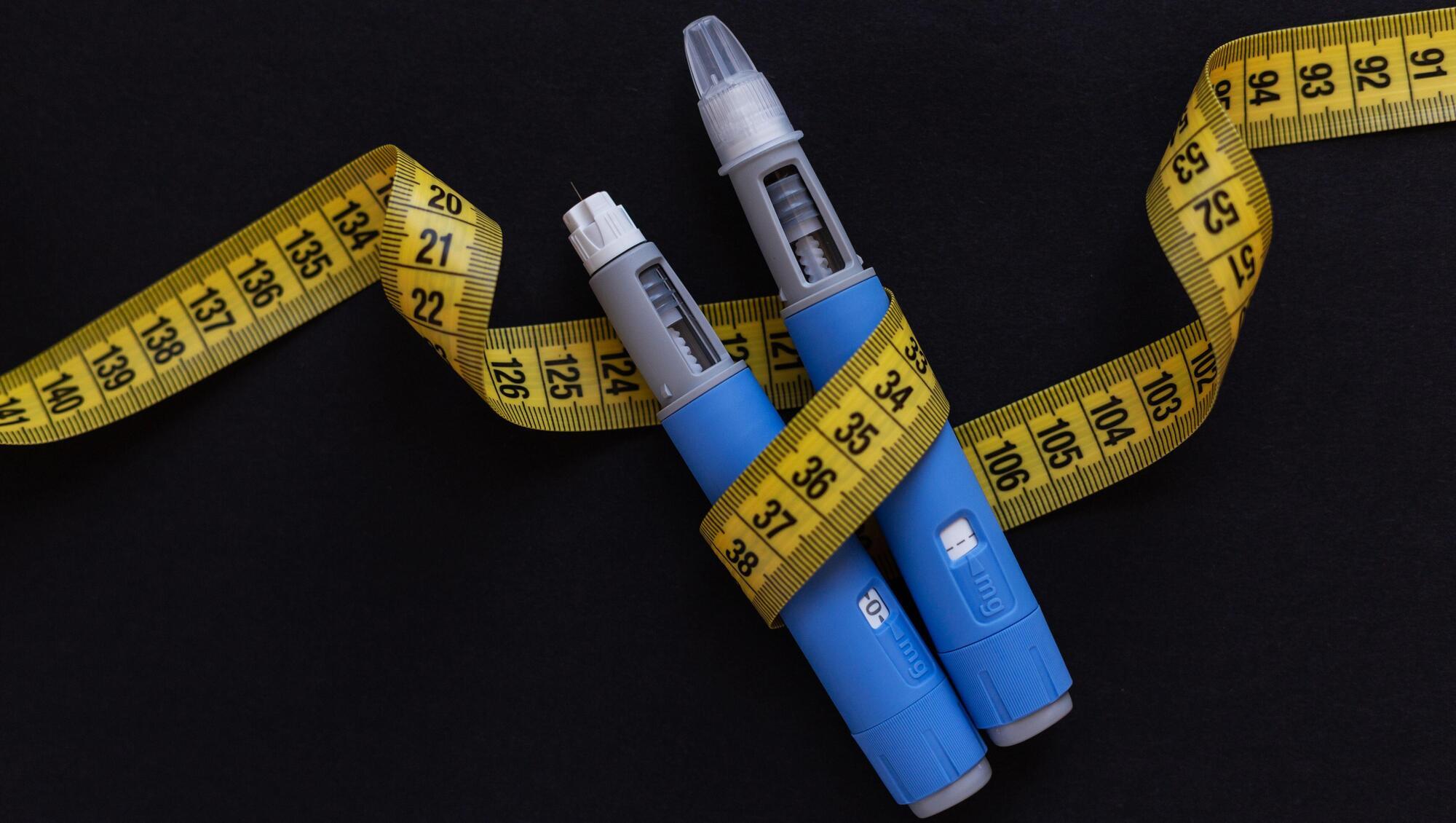
The World Health Organization (WHO) has issued a stark warning about the limitations of weight loss medications, stating they cannot single-handedly solve the escalating global obesity crisis. According to WHO projections, nearly two billion people worldwide could be living with obesity by 2030. This alarming statistic highlights one of the most pressing public health challenges facing humanity today.
In its first set of guidelines regarding the use of weight loss drugs, commonly known as GLP-1 therapies, the WHO emphasized that these medications, including popular options like Ozempic and Mounjaro, should not replace healthy lifestyle choices. The guidelines aim to provide a balanced approach to combating obesity, which affects approximately 56% of the population in Ireland, as per the latest figures from the Department of Health.
Dr. Tedros Adhanom Ghebreyesus, the WHO’s Director-General, stated, “Obesity is one of the most serious public health challenges of our time. Globally, more than one billion people are living with obesity, and that number is expected to double by 2030.” This sobering forecast underscores the need for comprehensive strategies that extend beyond medication.
Guidelines for Managing Obesity
The WHO’s guidelines, released on October 2, 2023, highlight the potential of GLP-1 therapies as a valuable clinical tool. However, Dr. Ghebreyesus made it clear that medication alone will not resolve the obesity crisis. He emphasized the necessity of fostering healthier environments that promote well-being and prevent obesity from taking root in the first place.
“Crucially, the use of GLP-1s does not replace the need for a healthy diet and physical activity,” he added. The WHO recommends that individuals at high risk of obesity receive early access to treatment and ongoing care throughout their lives. The organization is also concerned about the long-term safety and effectiveness of these medications, particularly regarding what happens to patients once they discontinue use.
The WHO’s cautious approach stems from what it describes as “low-certainty evidence” regarding the enhancement of treatment outcomes when using GLP-1 therapies alongside increased exercise and healthier eating habits.
Economic Implications and Access Issues
Dr. Ghebreyesus raised concerns about the economic implications of these weight loss drugs, suggesting they could exacerbate existing inequalities in healthcare access. “These medicines could widen the gap between the rich and poor,” he said, highlighting the important issue of affordability in accessing these therapies.
In Ireland, for instance, while Saxenda is already funded for weight loss treatment, Ozempic is currently only funded for diabetes care, costing approximately €150 monthly for those seeking weight loss solutions. The private cost of Mounjaro is around €275 per month and is presently under consideration for funding for both diabetes and weight loss applications. There are also concerns that potential shortages of these medications could adversely affect diabetes patients who rely on them for treatment.
The WHO estimates that by 2030, fewer than 10% of individuals who could benefit from GLP-1 therapies will have access to them. To address these disparities, the organization has called for pooled procurement, tiered pricing, and voluntary licensing to ensure broader availability of these essential treatments.
As the global community grapples with the obesity epidemic, the WHO’s latest guidelines serve as a critical reminder that addressing this complex issue requires a multifaceted approach. It is not merely about medications; it demands a concerted effort from governments, healthcare systems, and communities to create environments that support healthy lifestyles and equitable access to care.

Urgent Hack to Prevent Bedroom Condensation This Winter

Irish Stone Lifting Revolution Gains Momentum Amid Covid Recovery

Health Insurers Hike Prices Again; Average Premiums Near €2,000

Health Insurers Hike Prices Again: Average Premiums Soar 8%

Dublin Man Gets 20-Month Suspended Sentence for Money Laundering

Transforming Teen Anxiety: Building Self-Belief Through Experience

Helen Flanagan Dazzles in Red Lingerie Amid Online Criticism

Former Councillor Receives Suspended Sentence for Harassment

New Research Reveals Connection’s Role in Audio Consumption

Tributes Surge for 9-Year-Old Leon Briody After Cancer Battle

Aimee Osbourne Joins Family for Emotional Tribute to Ozzy

Danny Healy-Rae Considers Complaint After Altercation with Garda

Ireland Enjoys Summer Heat as Hurricane Erin Approaches Atlantic

Hawaii Commemorates 80 Years Since Hiroshima Bombing with Ceremony

Newcastle West Woman Patricia Foley Found Safe After Urgent Search

Fianna Fáil TDs Urgently Consider Maire Geoghegan-Quinn for Presidency

Couple Convicted of Murdering Two-Year-Old Grandson in Wales

Gaza Aid Distribution Tragedy: 20 Killed Amid Ongoing Violence
-
 Top Stories3 months ago
Tributes Surge for 9-Year-Old Leon Briody After Cancer Battle
-
 Entertainment4 months ago
Aimee Osbourne Joins Family for Emotional Tribute to Ozzy
-
 Politics4 months ago
Danny Healy-Rae Considers Complaint After Altercation with Garda
-
 Top Stories4 months ago
Ireland Enjoys Summer Heat as Hurricane Erin Approaches Atlantic
-
 World5 months ago
Hawaii Commemorates 80 Years Since Hiroshima Bombing with Ceremony
-
 Top Stories3 months ago
Newcastle West Woman Patricia Foley Found Safe After Urgent Search
-
 Top Stories5 months ago
Fianna Fáil TDs Urgently Consider Maire Geoghegan-Quinn for Presidency
-
 World5 months ago
Couple Convicted of Murdering Two-Year-Old Grandson in Wales
-
 World5 months ago
Gaza Aid Distribution Tragedy: 20 Killed Amid Ongoing Violence
-

 World5 months ago
Aristocrat Constance Marten and Partner Convicted of Infant Murder
-

 Top Stories4 months ago
Climbing Errigal: A Must-Do Summer Adventure in Donegal
-

 Top Stories4 months ago
Hike Donegal’s Errigal Mountain NOW for Unforgettable Summer Views