
Lifestyle
Ancient Weather Lore: Timeless Insights from Nature’s Storytellers

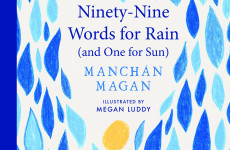
Weather has long served as a source of inspiration and reflection for cultures around the world. In his latest work, Manchán Magan explores how ancient perceptions of weather, drawn from the natural world, provide profound insights into the lives of our ancestors. His book, titled “Ninety-Nine Words for Rain (and One for Sun),” highlights the intricate relationship between weather patterns and daily life in Ireland, revealing how past generations interpreted signs from their environment.
Magan emphasizes the Irish proverb, “maith an scéalaí an aimsir,” which translates to “weather is a good storyteller.” This sentiment encapsulates the myriad ways weather influences human experiences, from the joys of sunny days to the challenges posed by storms. The book delves into historical and mythological accounts, illustrating how references to weather events like storms and droughts offer a glimpse into the lives of those who lived long ago.
The text examines the language used to describe various weather phenomena, showcasing how these terms connect us with our ancestors. For instance, phrases like “maidin le bheith ag pógadh na gcopán” evoke vivid images of chilly mornings spent under warm blankets, while “gaoth a bhainfeadh an craiceann d’fhíogach” captures the biting nature of a fierce wind.
Connecting Past and Present Through Nature
Magan’s exploration reflects how our forebears keenly observed their surroundings, developing a rich vocabulary that expressed their experiences of weather. The book highlights the expertise of ancient weather watchers—referred to as néaladóirí (cloud-watchers) and réadóirí (stargazers)—who interpreted signs from animals, plants, and celestial bodies to forecast weather patterns. Birds, for example, were seen as reliable indicators; swallows flying low often signaled impending rain, while the behaviour of herons could predict dry conditions.
The Irish Folklore Commission, established in the 1930s, collected traditional weather lore from communities across the country. Between 1937 and 1939, approximately 50,000 schoolchildren documented their elders’ knowledge about weather signs. Their findings revealed a wealth of insights, such as how the appearance of seals on the Aran Islands indicated good weather, while a loud sea forecasted a storm.
Animals were also believed to possess an innate ability to predict weather changes. For example, a cat lying with its back to the fire suggested rain was on the way, while a pig staring straight ahead indicated an approaching storm. Even insects, such as spiders retreating to the edges of their webs, were thought to signal fair weather.
Weather Lore and Modern Understanding
As Magan reflects on these historical insights, he notes the similarities between ancient observations and modern meteorological practices. While early weather predictors lacked the scientific tools we have today, they relied on acute observation and experience, laying the groundwork for the scientific method. Their observations often aligned with contemporary understanding, such as the connection between humidity and the behaviour of salt, which can become moist before rain.
The book also draws attention to the rich tapestry of weather-related mythology in Ireland. Stories of the Tuatha Dé Danann, a mythical race believed to influence weather, illustrate the significance of climatic conditions in ancient narratives. Events like storms and floods were often depicted as divine interventions, highlighting the intersection of weather and myth.
Magan’s work serves as a reminder of the enduring relevance of weather lore, particularly in the context of ongoing climate change. By reflecting on the experiences of past generations, we can deepen our understanding of the environment and its impact on our lives today.
“Ninety-Nine Words for Rain (and One for Sun)” has been nominated for the Best Irish-Published Book in the upcoming An Post Irish Book Awards 2025, showcasing the importance of preserving and celebrating these stories. As readers engage with Magan’s insights, they are encouraged to reflect on their own connections to nature and the narratives that shape our understanding of the world around us.

WPP Media Reveals Urgent Need for Authentic Irish Language Ads

Rory McIlroy Overcomes Unusual Challenge at Australian Open

Protesters Target Crown Jewels with Custard and Crumble in London

Nikita Hand Announces Exciting News of New Baby on Instagram

Carlow Launches €8 Million Innovation Hub to Boost Local Economy

Nikita Hand Announces Pregnancy Amid Ongoing Legal Battles

Late Late Toy Show Celebrates 50 Years with Star-Studded Spectacle

Glenswilly National School Sports Pitch Planning Approved NOW

Galway Medtech Triumphs at 2025 Irish Medtech Awards

Tributes Surge for 9-Year-Old Leon Briody After Cancer Battle

Aimee Osbourne Joins Family for Emotional Tribute to Ozzy

Danny Healy-Rae Considers Complaint After Altercation with Garda

Ireland Enjoys Summer Heat as Hurricane Erin Approaches Atlantic

Hawaii Commemorates 80 Years Since Hiroshima Bombing with Ceremony

Newcastle West Woman Patricia Foley Found Safe After Urgent Search

Fianna Fáil TDs Urgently Consider Maire Geoghegan-Quinn for Presidency

Couple Convicted of Murdering Two-Year-Old Grandson in Wales

Gaza Aid Distribution Tragedy: 20 Killed Amid Ongoing Violence
-
 Top Stories3 months ago
Tributes Surge for 9-Year-Old Leon Briody After Cancer Battle
-
 Entertainment4 months ago
Aimee Osbourne Joins Family for Emotional Tribute to Ozzy
-
 Politics4 months ago
Danny Healy-Rae Considers Complaint After Altercation with Garda
-
 Top Stories4 months ago
Ireland Enjoys Summer Heat as Hurricane Erin Approaches Atlantic
-
 World5 months ago
Hawaii Commemorates 80 Years Since Hiroshima Bombing with Ceremony
-
 Top Stories3 months ago
Newcastle West Woman Patricia Foley Found Safe After Urgent Search
-
 Top Stories5 months ago
Fianna Fáil TDs Urgently Consider Maire Geoghegan-Quinn for Presidency
-
 World5 months ago
Couple Convicted of Murdering Two-Year-Old Grandson in Wales
-
 World5 months ago
Gaza Aid Distribution Tragedy: 20 Killed Amid Ongoing Violence
-

 World5 months ago
Aristocrat Constance Marten and Partner Convicted of Infant Murder
-

 Top Stories4 months ago
Climbing Errigal: A Must-Do Summer Adventure in Donegal
-

 Top Stories4 months ago
Hike Donegal’s Errigal Mountain NOW for Unforgettable Summer Views