
Lifestyle
Meat Factory Owner Ordered to Pay €40,000 for Harassment

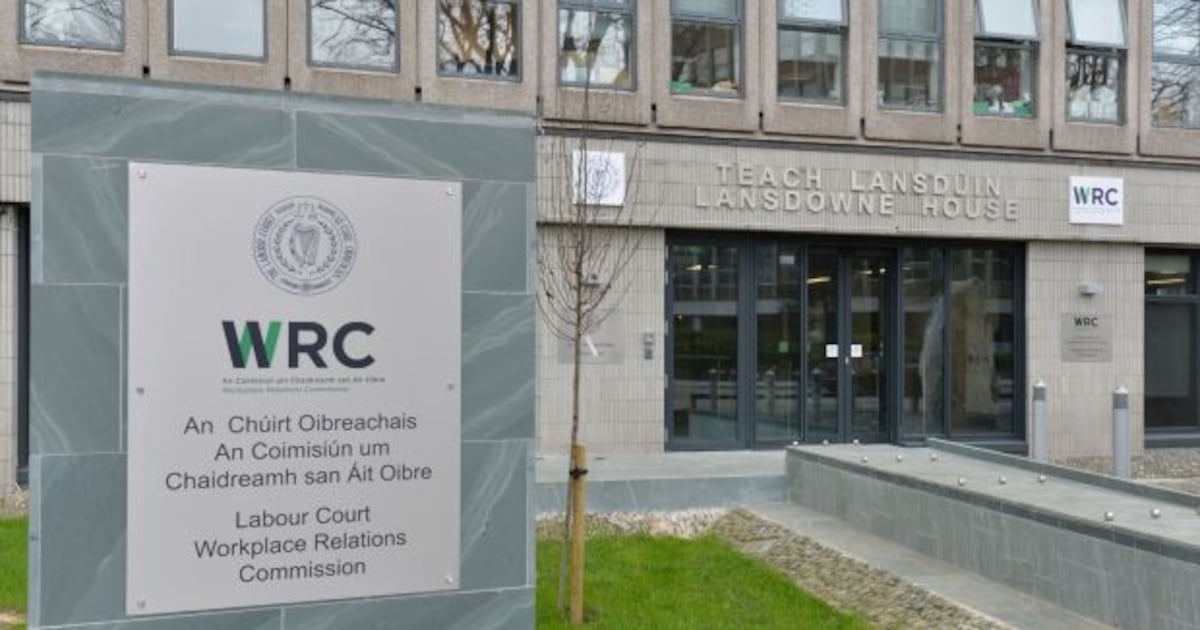
A part-time worker from Asba Meats Ltd, a meat processing company based in Shannon, Co Clare, has been awarded over €40,000 for sexual harassment and violations of employment rights. The decision, made by the Workplace Relations Commission (WRC), highlights the troubling exploitation of the worker’s vulnerable position as she sought stability through her employment.
The WRC’s adjudicator described the owner’s conduct as “profoundly troubling,” noting that he took advantage of the worker’s financial insecurities, which were exacerbated by delays in her wages. The tribunal found that the owner approached the worker at her home in May 2024 with requests for a “head massage” and “some company,” a clear breach of professional boundaries.
The worker began her role at Asba Meats in mid-2023 while studying, primarily working as a trimmer and occasionally as a de-boner, earning the minimum wage. Despite promises from Asba Meats to secure an employment permit allowing her to work full-time, these commitments were not fulfilled, leaving her in a precarious financial situation.
According to her advocate, Sylwia Nowakowska from the Migrant Rights Centre of Ireland, the worker’s weekly take-home pay averaged just €327, making it challenging for her to cover living expenses. She reported that from March 2024, wages were consistently delayed, leading her to feel as though she had to “beg for her wages.”
The situation escalated when the owner texted the worker, requesting a meeting at her home under the pretext of discussing additional work opportunities. Although she was apprehensive, her landlord, believing the meeting would be professional, welcomed the owner into their shared living space.
During the visit, the owner made several phone calls and engaged in lengthy silences. The worker expressed her concerns about her limited hours, only for the owner to suggest that he “saw her as a good person” and then ask for a head massage, offering to pay her for it. The worker described feeling “uncomfortable” and “overwhelmed with fear,” recognizing the potential repercussions of refusing his advances, particularly regarding her employment permit.
After she indicated she needed time to think, the owner left but continued to send text messages suggesting future meetings for “distraction.” In one message, he reiterated his desire for a head massage and companionship.
The tribunal noted that the worker provided credible evidence of harassment, as Asba Meats did not attend the hearing to contest her claims. Ewa Sobanska, the adjudication officer, emphasized the emotional toll the situation took on the worker, stating that the businessman “exploited this vulnerability to advance his own inappropriate agenda.”
Additionally, the WRC ruled that the worker faced discrimination as a part-time employee, awarding her a further €8,500 for being treated less favorably than other workers and €6,540 for her losses due to unfair dismissal, totaling €40,040.
The case underscores ongoing concerns about workplace harassment and the necessity for protective measures for vulnerable employees, particularly in industries reliant on migrant labor. The ruling serves as a reminder of the importance of maintaining professional boundaries and the legal ramifications of failing to do so.

Urgent Hack to Prevent Bedroom Condensation This Winter

Irish Stone Lifting Revolution Gains Momentum Amid Covid Recovery

Health Insurers Hike Prices Again; Average Premiums Near €2,000

Health Insurers Hike Prices Again: Average Premiums Soar 8%

Dublin Man Gets 20-Month Suspended Sentence for Money Laundering

Transforming Teen Anxiety: Building Self-Belief Through Experience

Helen Flanagan Dazzles in Red Lingerie Amid Online Criticism

Former Councillor Receives Suspended Sentence for Harassment

New Research Reveals Connection’s Role in Audio Consumption

Tributes Surge for 9-Year-Old Leon Briody After Cancer Battle

Aimee Osbourne Joins Family for Emotional Tribute to Ozzy

Danny Healy-Rae Considers Complaint After Altercation with Garda

Ireland Enjoys Summer Heat as Hurricane Erin Approaches Atlantic

Hawaii Commemorates 80 Years Since Hiroshima Bombing with Ceremony

Newcastle West Woman Patricia Foley Found Safe After Urgent Search

Fianna Fáil TDs Urgently Consider Maire Geoghegan-Quinn for Presidency

Couple Convicted of Murdering Two-Year-Old Grandson in Wales

Gaza Aid Distribution Tragedy: 20 Killed Amid Ongoing Violence
-
 Top Stories3 months ago
Tributes Surge for 9-Year-Old Leon Briody After Cancer Battle
-
 Entertainment4 months ago
Aimee Osbourne Joins Family for Emotional Tribute to Ozzy
-
 Politics4 months ago
Danny Healy-Rae Considers Complaint After Altercation with Garda
-
 Top Stories4 months ago
Ireland Enjoys Summer Heat as Hurricane Erin Approaches Atlantic
-
 World5 months ago
Hawaii Commemorates 80 Years Since Hiroshima Bombing with Ceremony
-
 Top Stories3 months ago
Newcastle West Woman Patricia Foley Found Safe After Urgent Search
-
 Top Stories5 months ago
Fianna Fáil TDs Urgently Consider Maire Geoghegan-Quinn for Presidency
-
 World5 months ago
Couple Convicted of Murdering Two-Year-Old Grandson in Wales
-
 World5 months ago
Gaza Aid Distribution Tragedy: 20 Killed Amid Ongoing Violence
-

 World5 months ago
Aristocrat Constance Marten and Partner Convicted of Infant Murder
-

 Top Stories4 months ago
Climbing Errigal: A Must-Do Summer Adventure in Donegal
-

 Top Stories4 months ago
Hike Donegal’s Errigal Mountain NOW for Unforgettable Summer Views