
Politics
EU Court Mandates Recognition of Same-Sex Marriages Across Bloc

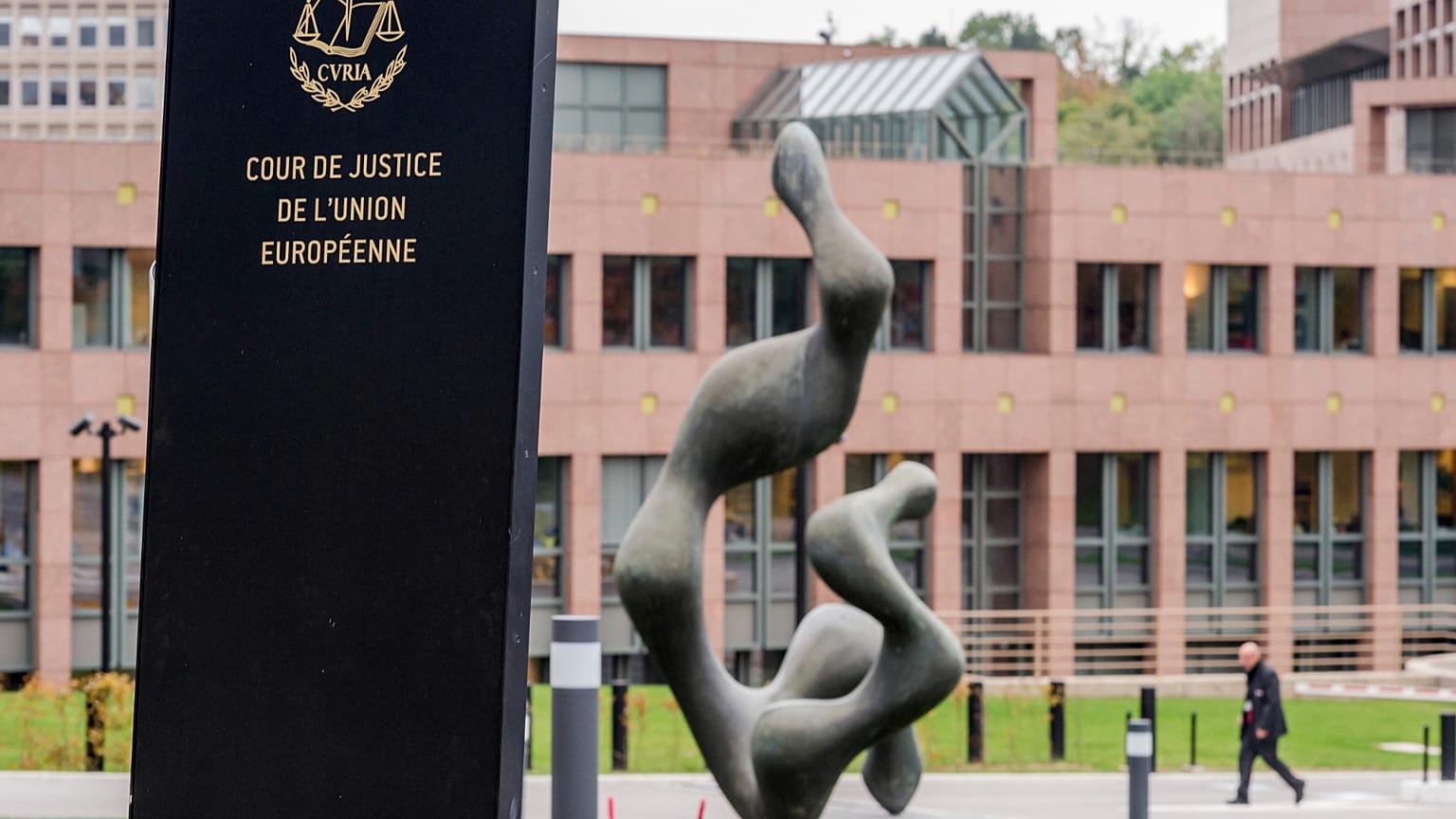
The European Court of Justice (ECJ) has issued a landmark ruling requiring all member states of the European Union to recognize same-sex marriages legally performed in other EU countries. This decision, announced on Tuesday, is expected to be met with approval from the LGBTQ+ community across Europe.
According to the ruling, EU nations must acknowledge same-sex marriages that were lawfully concluded anywhere in the bloc, regardless of their own national laws. The judges emphasized that failing to recognize such marriages violates EU law by infringing upon the freedom and the right to respect for private and family life. The court noted that non-recognition could lead to significant inconveniences in various aspects of life, forcing couples to live without the legal status of marriage.
The case at the heart of this ruling involved two Polish citizens who married in Berlin in 2018. Upon returning to Poland, they sought to have their German marriage certificate transcribed into the Polish civil register. Their request was denied because Poland does not currently permit same-sex marriage. The couple subsequently appealed to the Polish Supreme Administrative Court, which referred the case to the ECJ in Luxembourg.
In its decision, the ECJ ruled that the marriage is valid across the entire 27-member EU. The judges stated, “The spouses in question, as EU citizens, enjoy the freedom to move and reside within the territory of the member states and the right to lead a normal family life when exercising that freedom and upon returning to their member state of origin.” They further asserted that when couples create family life in a host member state, particularly through marriage, they must be able to sustain that family life upon returning to their home country.
Notably, the court clarified that the ruling does not force member states to change their domestic laws regarding same-sex marriage. Instead, it mandates that they recognize marriages lawfully concluded in other EU nations without imposing additional barriers. This decision must be applied uniformly across the EU, ensuring that all couples can enjoy the rights afforded to them under EU law.
Currently, more than half of the 27 EU member states recognize same-sex marriage, with the Netherlands being the first country in the world to do so in 2001. While some countries allow same-sex civil unions, Poland remains a notable exception. Prime Minister Donald Tusk has made efforts to bolster LGBTQ+ rights in Poland, but significant challenges remain.
This ruling from the ECJ marks a significant step towards equality for LGBTQ+ individuals across Europe, fostering a more inclusive environment within the EU. As the legal landscape continues to evolve, the implications of this ruling will likely resonate deeply within both the legal and social frameworks of member states.

Driver Receives Extended Jail Sentence After High-Speed Garda Chase

Israel Strikes Hezbollah in Lebanon Following Direct Talks

Man Appeals Conviction in Dublin Park Strangulation Case

Man Appeals Conviction for Attempted Strangulation in Dublin

Extended Christmas Public Transport Services Launch Across Dublin

George Clooney Reflects on Family and Directing in New Film

Empowering Teens: Transforming Anxiety into Self-Belief

RSA Urges Caution on E-Scooter Gifts for Children This Christmas

Inquiry Reveals Fisheries Agency Allowed False Insurance Claims

Tributes Surge for 9-Year-Old Leon Briody After Cancer Battle

Aimee Osbourne Joins Family for Emotional Tribute to Ozzy

Danny Healy-Rae Considers Complaint After Altercation with Garda

Ireland Enjoys Summer Heat as Hurricane Erin Approaches Atlantic

Hawaii Commemorates 80 Years Since Hiroshima Bombing with Ceremony

Newcastle West Woman Patricia Foley Found Safe After Urgent Search

Fianna Fáil TDs Urgently Consider Maire Geoghegan-Quinn for Presidency

Couple Convicted of Murdering Two-Year-Old Grandson in Wales

Gaza Aid Distribution Tragedy: 20 Killed Amid Ongoing Violence
-
 Top Stories3 months ago
Tributes Surge for 9-Year-Old Leon Briody After Cancer Battle
-
 Entertainment4 months ago
Aimee Osbourne Joins Family for Emotional Tribute to Ozzy
-
 Politics4 months ago
Danny Healy-Rae Considers Complaint After Altercation with Garda
-
 Top Stories4 months ago
Ireland Enjoys Summer Heat as Hurricane Erin Approaches Atlantic
-
 World5 months ago
Hawaii Commemorates 80 Years Since Hiroshima Bombing with Ceremony
-
 Top Stories3 months ago
Newcastle West Woman Patricia Foley Found Safe After Urgent Search
-
 Top Stories5 months ago
Fianna Fáil TDs Urgently Consider Maire Geoghegan-Quinn for Presidency
-
 World5 months ago
Couple Convicted of Murdering Two-Year-Old Grandson in Wales
-
 World5 months ago
Gaza Aid Distribution Tragedy: 20 Killed Amid Ongoing Violence
-

 World5 months ago
Aristocrat Constance Marten and Partner Convicted of Infant Murder
-

 Top Stories4 months ago
Climbing Errigal: A Must-Do Summer Adventure in Donegal
-

 Top Stories4 months ago
Hike Donegal’s Errigal Mountain NOW for Unforgettable Summer Views