
Politics
Greece and Germany Plan African Migrant Return Hubs

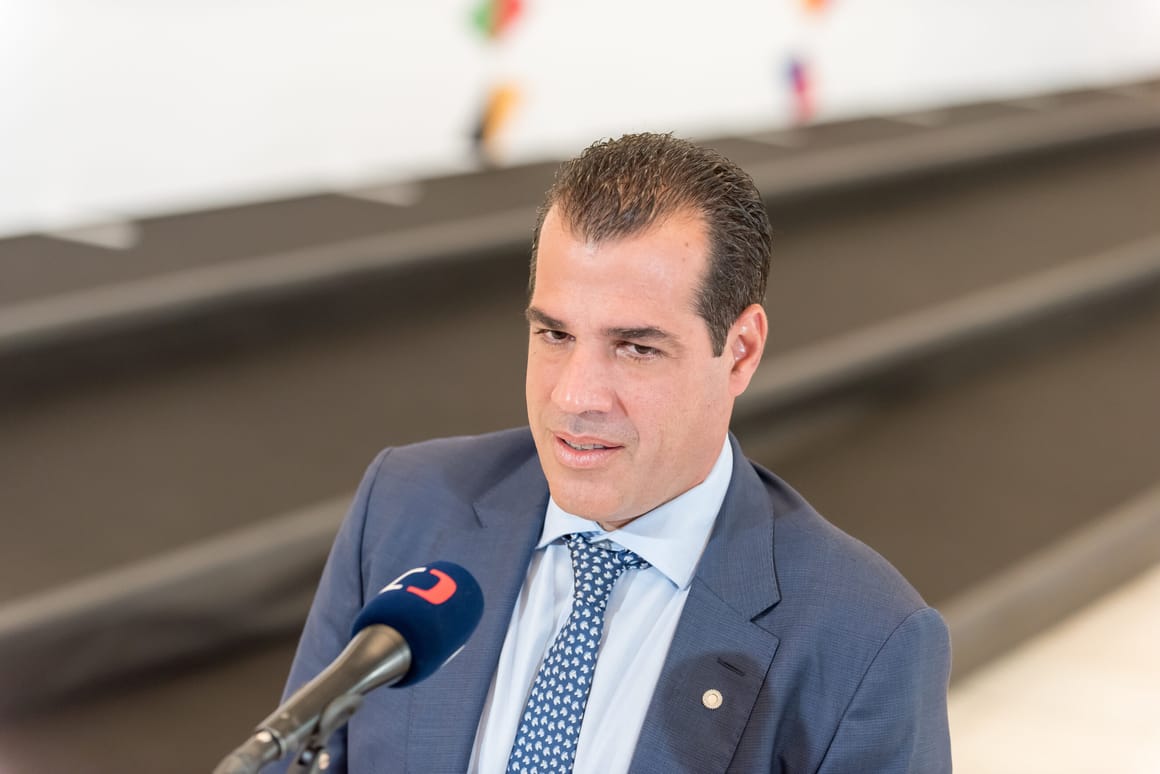
Greece and Germany are collaborating to establish facilities in Africa aimed at receiving migrants deported from Europe, announced Greece’s Migration Minister Thanos Plevris on Wednesday. This initiative marks a significant step in addressing illegal migration, as discussions are ongoing with several African nations willing to accept individuals whose return to their home countries is not feasible.
In an interview with Greece’s public broadcaster ERT, Plevris stated, “Discussions are underway with safe African countries that will accept illegal immigrants whom we cannot return to their homelands.” He clarified that these talks are being conducted independently, outside the framework of the European Union, emphasizing that Germany is leading this initiative. Plevris remarked, “Germany has taken a serious initiative and we have officially expressed our interest in participating in it.” He believes that relocating these centers outside Europe could act as a deterrent for potential migrants.
Details of the Initiative
An official from the German interior ministry confirmed to POLITICO that during a meeting on November 4, Plevris and his German counterpart discussed “innovative solutions” to reduce illegal migration. They are currently collaborating on the legal framework necessary for implementing the proposed return hubs.
Last month, Europe’s home affairs ministers convened in Luxembourg to discuss new migration regulations, including the establishment of return hubs for rejected asylum applicants. However, no concrete agreements were reached during these discussions.
Greece has adopted a stringent stance on migration in recent years. The Greek government presented a comprehensive plan to other EU nations last summer, one that aimed to deter migrants effectively. Plevris noted that other countries are also exploring similar strategies. For instance, the Netherlands recently signed an agreement with Uganda to facilitate the return of rejected asylum seekers, although this arrangement is limited to migrants from countries near Uganda.
Comparative Projects and Legal Considerations
Plevris’ proposal bears resemblance to a stalled initiative in Italy, where the government sought to intercept and detain asylum seekers for processing in Albania. This project, promoted by right-wing Prime Minister Giorgia Meloni, has received positive feedback from various European leaders, including Ursula von der Leyen, President of the European Commission, and British Prime Minister Keir Starmer. However, the Italian scheme remains entangled in legal challenges, particularly regarding the compatibility of processing migrants in third countries with EU law.
Plevris expressed confidence that any legal hurdles related to the new hubs could be resolved but raised concerns about the effectiveness of current plans. He argued that while Albania’s approach may not serve as a sufficient deterrent, establishing return hubs outside Europe could present a more compelling solution. “Imagine taking an Egyptian and sending him to Uganda,” he stated, underscoring the potential deterrent effect of such a strategy.
The developments in Greece and Germany reflect a broader trend within Europe regarding migration policies. As nations search for effective methods to manage migrant flows, these discussions represent a significant pivot toward establishing international cooperation beyond the continent itself.

Mother Reveals Daughter’s Meningitis Seizure After Night Out

Major Oil Spill Disrupts Traffic in Donegal on March 16, 2026

Discovering Literature: The Joys of Rejoining a Public Library

Ted Season 2 Announced: Release Date & Trailer Updates Revealed

Research Ireland and UKRI Forge New Collaboration Agreement

David McGoldrick’s Impressive Scoring Streak Sparks World Cup Talk

Plane Crash Claims Lives of Publishing Heir, Pregnant Wife, and Pilot

Oscars Snub Brigitte Bardot Sparks Controversy Over In Memoriam

Meta Plans Major Layoffs to Offset Rising AI Investment Costs

Tributes Surge for 9-Year-Old Leon Briody After Cancer Battle

Aimee Osbourne Joins Family for Emotional Tribute to Ozzy

Danny Healy-Rae Considers Complaint After Altercation with Garda

Hawaii Commemorates 80 Years Since Hiroshima Bombing with Ceremony

Ireland Enjoys Summer Heat as Hurricane Erin Approaches Atlantic

Couple Convicted of Murdering Two-Year-Old Grandson in Wales

Newcastle West Woman Patricia Foley Found Safe After Urgent Search

Fianna Fáil TDs Urgently Consider Maire Geoghegan-Quinn for Presidency

Gaza Aid Distribution Tragedy: 20 Killed Amid Ongoing Violence
-
 Top Stories7 months ago
Tributes Surge for 9-Year-Old Leon Briody After Cancer Battle
-
 Entertainment8 months ago
Aimee Osbourne Joins Family for Emotional Tribute to Ozzy
-
 Politics8 months ago
Danny Healy-Rae Considers Complaint After Altercation with Garda
-
 World9 months ago
Hawaii Commemorates 80 Years Since Hiroshima Bombing with Ceremony
-
 Top Stories8 months ago
Ireland Enjoys Summer Heat as Hurricane Erin Approaches Atlantic
-
 World9 months ago
Couple Convicted of Murdering Two-Year-Old Grandson in Wales
-
 Top Stories7 months ago
Newcastle West Woman Patricia Foley Found Safe After Urgent Search
-
 Top Stories9 months ago
Fianna Fáil TDs Urgently Consider Maire Geoghegan-Quinn for Presidency
-
 World9 months ago
Gaza Aid Distribution Tragedy: 20 Killed Amid Ongoing Violence
-

 World9 months ago
Aristocrat Constance Marten and Partner Convicted of Infant Murder
-

 Top Stories8 months ago
Hike Donegal’s Errigal Mountain NOW for Unforgettable Summer Views
-

 Top Stories8 months ago
Climbing Errigal: A Must-Do Summer Adventure in Donegal