
Science
Gene Editing Innovations Aim to Transform European Agriculture

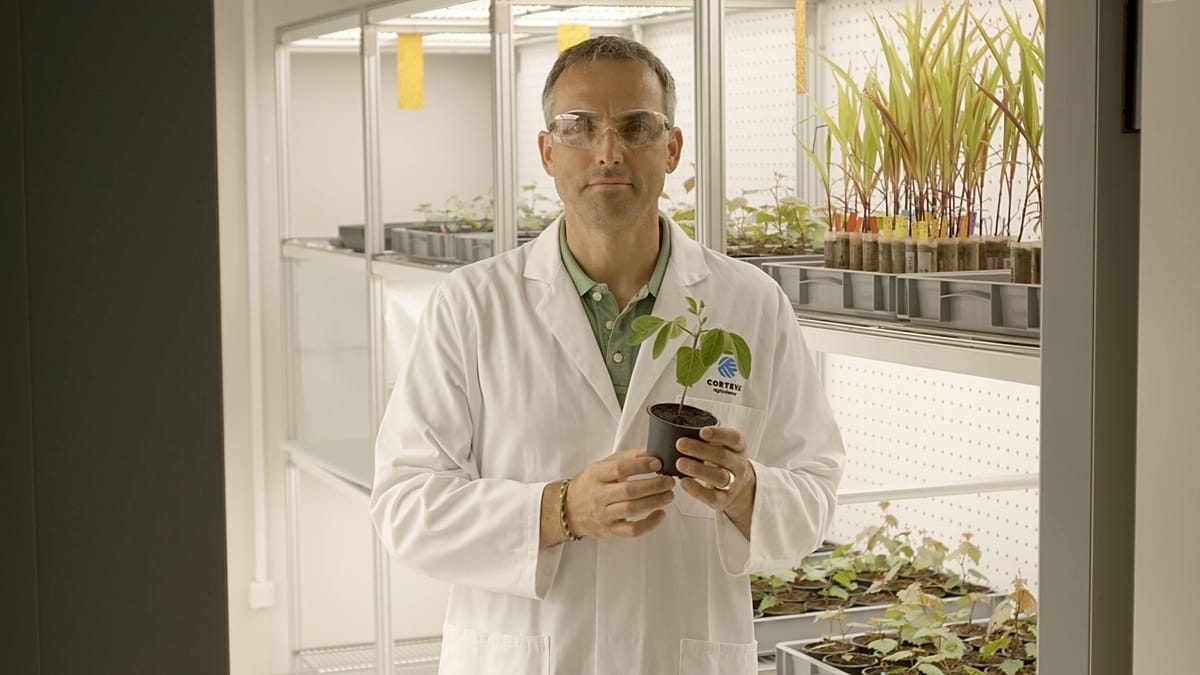
On the sun-drenched fields of Southern Spain, a new variety of maize is emerging that could revolutionize agricultural practices across Europe. This gene-edited crop, developed by Corteva, a global leader in agricultural technology, is designed to withstand extreme weather conditions and provide reliable yields. As farmers face challenges from changing climate patterns, pest pressures, and evolving regulations, innovative solutions like this maize may offer a pathway to more sustainable and resilient farming.
The pressures on Europe’s food system are mounting. Farmers in regions such as Southern Spain are already grappling with environmental challenges that threaten their productivity. “Every time it rains, it rains more than it should,” explains Pedro Fernández, a farmer from the Seville area. He notes that prolonged rainy periods and frequent droughts complicate agricultural operations. Frank Röber, Europe Breeding Alliances Lead at Corteva, emphasizes that extreme weather can lead to total harvest failures, significantly impacting food security across the continent.
Gene editing technology enables scientists to make precise alterations to a plant’s DNA, enhancing its resilience without introducing genes from other species. This method accelerates traditional breeding techniques, allowing for the development of crops that can better resist diseases and adapt to unfavorable conditions. “With gene editing, we will enhance food security and improve environmental stewardship,” Fernández asserts, highlighting the potential benefits of embracing this new technology.
Investment in Research and Development
Corteva is heavily investing in gene editing, allocating nearly €3.5 million daily to research and development efforts. The company operates the La Rinconada Research Center in Seville and the Eschbach Research Center in Germany, which play crucial roles in advancing these technologies. By conducting field tests on gene-edited maize in real-world conditions, Corteva aims to demonstrate how these crops can thrive amid climate stressors.
“Gene editing allows us to create greater genetic diversity,” Röber explains. “We can suppress negative genes or enhance positive ones to achieve improved on-farm performance.” This approach not only benefits maize cultivation but also opens doors for other crops, making gene editing a versatile tool for agricultural innovation.
Broad Applications and Future Prospects
The opportunities presented by gene editing extend beyond maize. In the UK, scientists at Rothamsted Research are developing wheat with enhanced qualities and barley varieties that store significantly more energy. These advancements could lead to reduced emissions from livestock by maximizing the energy obtained from feed.
Furthermore, companies like Tropic Biosciences are utilizing gene editing to improve the quality and shelf life of everyday products, such as Cavendish bananas. Such innovations could significantly reduce food waste and enhance consumer satisfaction.
As Europe navigates the complexities of agricultural sustainability, gene editing emerges as a promising solution. The European Commission has proposed a comprehensive framework for regulating new genomic techniques (NGTs), with discussions ongoing regarding how these regulations will shape the future of gene-edited crops. In early 2025, the EU Council endorsed a proposal that treats gene-edited plants similarly to conventionally bred ones. Nevertheless, final approval is still pending.
The ongoing debate about gene editing’s place in European agriculture remains critical. Successful implementation of these technologies could bolster food security and strengthen the agricultural sector’s resilience. The future of gene editing in Europe hangs in the balance, as policymakers and the public weigh the potential benefits against regulatory challenges. The outcome will likely determine whether gene editing becomes a cornerstone of European agriculture or remains an untapped promise.

Irish Punters Gain Edge in Betting Markets Amid Major Sports Events

Upgrade Your Game Night: 7 Essential Tips for Ultimate Viewing

Urgent Hack to Prevent Bedroom Condensation This Winter

Irish Stone Lifting Revolution Gains Momentum Amid Covid Recovery

Health Insurers Hike Prices Again; Average Premiums Near €2,000

Health Insurers Hike Prices Again: Average Premiums Soar 8%

Dublin Man Gets 20-Month Suspended Sentence for Money Laundering

Transforming Teen Anxiety: Building Self-Belief Through Experience

Helen Flanagan Dazzles in Red Lingerie Amid Online Criticism

Tributes Surge for 9-Year-Old Leon Briody After Cancer Battle

Aimee Osbourne Joins Family for Emotional Tribute to Ozzy

Danny Healy-Rae Considers Complaint After Altercation with Garda

Ireland Enjoys Summer Heat as Hurricane Erin Approaches Atlantic

Hawaii Commemorates 80 Years Since Hiroshima Bombing with Ceremony

Newcastle West Woman Patricia Foley Found Safe After Urgent Search

Fianna Fáil TDs Urgently Consider Maire Geoghegan-Quinn for Presidency

Couple Convicted of Murdering Two-Year-Old Grandson in Wales

Gaza Aid Distribution Tragedy: 20 Killed Amid Ongoing Violence
-
 Top Stories3 months ago
Tributes Surge for 9-Year-Old Leon Briody After Cancer Battle
-
 Entertainment4 months ago
Aimee Osbourne Joins Family for Emotional Tribute to Ozzy
-
 Politics4 months ago
Danny Healy-Rae Considers Complaint After Altercation with Garda
-
 Top Stories4 months ago
Ireland Enjoys Summer Heat as Hurricane Erin Approaches Atlantic
-
 World5 months ago
Hawaii Commemorates 80 Years Since Hiroshima Bombing with Ceremony
-
 Top Stories3 months ago
Newcastle West Woman Patricia Foley Found Safe After Urgent Search
-
 Top Stories5 months ago
Fianna Fáil TDs Urgently Consider Maire Geoghegan-Quinn for Presidency
-
 World5 months ago
Couple Convicted of Murdering Two-Year-Old Grandson in Wales
-
 World5 months ago
Gaza Aid Distribution Tragedy: 20 Killed Amid Ongoing Violence
-

 World5 months ago
Aristocrat Constance Marten and Partner Convicted of Infant Murder
-

 Top Stories4 months ago
Climbing Errigal: A Must-Do Summer Adventure in Donegal
-

 Top Stories4 months ago
Hike Donegal’s Errigal Mountain NOW for Unforgettable Summer Views