
Science
Gene Editing Promises New Era for European Agriculture

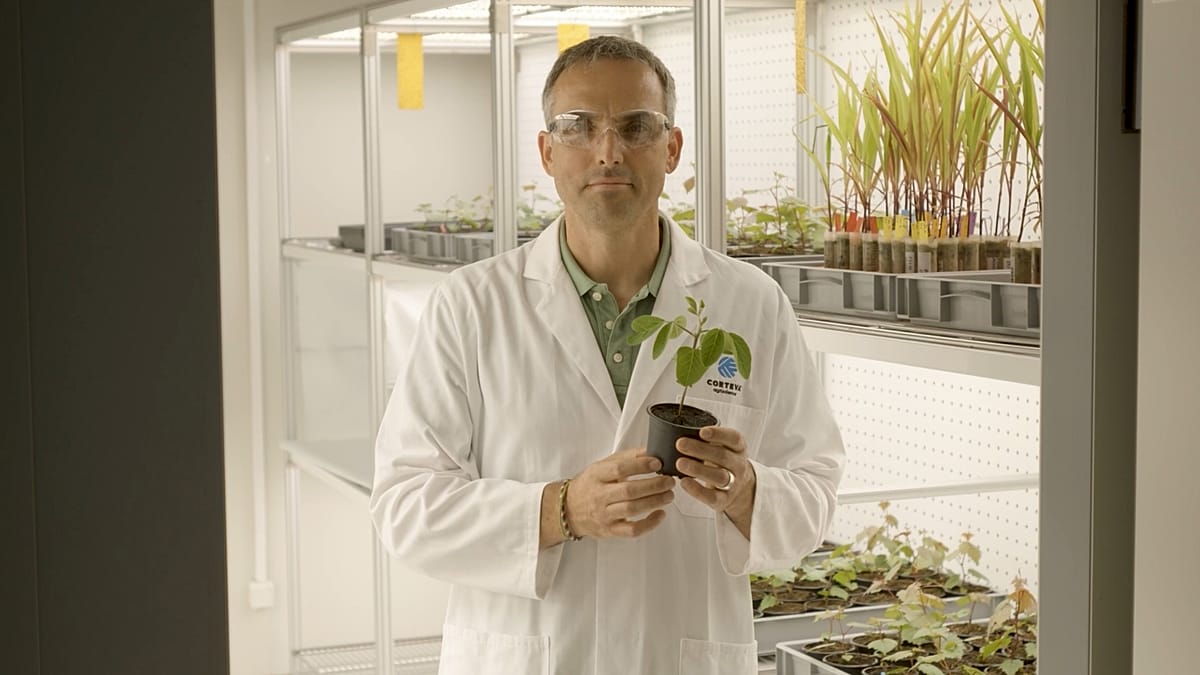
In Southern Spain, an innovative type of maize is currently being trialed, offering a glimpse into the future of agriculture through gene editing technology. As farmers face challenges from shifting weather patterns, stringent regulations, and the increasing threat of pests and diseases, the European Union is fostering agricultural innovation aimed at enhancing food security and sustainability.
The global agricultural technology company Corteva is at the forefront of this effort with its gene-edited maize varieties. These crops are engineered to adapt to extreme environmental conditions, which could lead to more consistent yields and lower production costs, even in less than ideal soils and climates. This initiative aligns with the EU’s broader goal of promoting strategic autonomy and resilience in the agri-food sector.
Understanding Gene Editing
Gene editing is a revolutionary technology that enables scientists to make precise modifications to a plant’s DNA without introducing genes from other species. By editing the plant’s own genetic material, researchers can effectively enhance traits such as disease and pest resistance or improve resilience to adverse weather conditions like droughts and floods. This approach accelerates traditional plant breeding methods, allowing for quicker and more efficient development of superior crop varieties.
The agricultural landscape in Southern Spain vividly illustrates the pressing need for such advancements. According to local farmer Pedro Fernández, the region is experiencing extreme weather phenomena that challenge traditional farming practices. “Every time it rains, it rains more than it should,” he noted. “There are long periods of rain and many droughts, which complicate production efforts.”
Corteva’s Frank Röber, who leads European breeding alliances, emphasized the stakes involved: “Extreme weather can lead to complete harvest losses, which impacts food security on a larger scale.” For farmers like Fernández, gene editing presents a potential solution, promising increased food security and a sustainable approach to agriculture.
Investment and Innovation
Corteva is significantly investing in agricultural research, allocating almost €3.5 million daily towards research and development. The company’s facilities, including the La Rinconada Research Center in Seville and the Eschbach Research Center in Germany, are central to advancing gene editing technologies. The ongoing field tests of gene-edited maize in Seville are crucial for understanding how these crops will perform under future climate pressures.
“Gene editing allows us to create more genetic variation,” explained Röber. “It can be used to stop negative genes or enhance positive ones, ultimately improving on-farm performance.” This technology not only has the potential to transform maize production but also opens the door for innovations across various crops.
For example, researchers at the Rothamsted Research in the UK are utilizing gene editing to develop wheat with enhanced qualities, moving from small-scale trials to larger field tests. Additionally, a barley variety has been created to store significantly more energy, which could help reduce emissions from livestock by maximizing energy intake through feed.
Another notable innovation comes from Tropic Biosciences, which is working on gene-edited Cavendish bananas. Their research focuses on enhancing flavor and extending shelf life, effectively tackling food waste issues.
The Regulatory Landscape
The emergence of gene editing in agriculture arrives at a crucial time for Europe. This technology holds the promise of balancing strategic autonomy with sustainable practices. However, its future is closely tied to evolving regulations and public acceptance. In 2023, the European Commission proposed a legal framework for gene editing, specifically defining New Genomic Techniques (NGTs). While a draft endorsed by the EU Council in early 2025 suggests treating gene-edited plants similarly to conventionally bred crops, formal adoption into EU law is still pending.
The ongoing regulatory discussions will determine whether gene editing can transition from a scientific promise to a foundational aspect of European agriculture. The outcome will have far-reaching implications for the productivity and resilience of the agricultural system, as well as for food security across the continent.
As the debate continues, billions in research investment and the future of Europe’s farming landscape hang in the balance. The evolution of gene editing technology may well dictate the trajectory of European agriculture and its economic viability in the years to come.

Taxi Drivers Launch Urgent Protest in Galway Next Week

WPP Media Unveils Irish Language Advertising’s Dependency Dilemma

Rory McIlroy Eyes Comeback at Crown Australian Open

Nigel Farage Faces Growing Racism Allegations at Press Conference

Irishman James Graham Honored for Valor at Waterloo Battle

Ireland Joins Global Crackdown on Tax Evasion for Foreign Properties

Discover Ireland’s Rich Mythology: Legends and Folklore Explored

Irish Hero James Graham Honored as Bravest at Waterloo Battle

Dublin Taxi Drivers Launch Six-Day Protests, Urge Action Now

Tributes Surge for 9-Year-Old Leon Briody After Cancer Battle

Aimee Osbourne Joins Family for Emotional Tribute to Ozzy

Danny Healy-Rae Considers Complaint After Altercation with Garda

Ireland Enjoys Summer Heat as Hurricane Erin Approaches Atlantic

Hawaii Commemorates 80 Years Since Hiroshima Bombing with Ceremony

Newcastle West Woman Patricia Foley Found Safe After Urgent Search

Fianna Fáil TDs Urgently Consider Maire Geoghegan-Quinn for Presidency

Couple Convicted of Murdering Two-Year-Old Grandson in Wales

Gaza Aid Distribution Tragedy: 20 Killed Amid Ongoing Violence
-
 Top Stories3 months ago
Tributes Surge for 9-Year-Old Leon Briody After Cancer Battle
-
 Entertainment4 months ago
Aimee Osbourne Joins Family for Emotional Tribute to Ozzy
-
 Politics4 months ago
Danny Healy-Rae Considers Complaint After Altercation with Garda
-
 Top Stories4 months ago
Ireland Enjoys Summer Heat as Hurricane Erin Approaches Atlantic
-
 World5 months ago
Hawaii Commemorates 80 Years Since Hiroshima Bombing with Ceremony
-
 Top Stories3 months ago
Newcastle West Woman Patricia Foley Found Safe After Urgent Search
-
 Top Stories5 months ago
Fianna Fáil TDs Urgently Consider Maire Geoghegan-Quinn for Presidency
-
 World5 months ago
Couple Convicted of Murdering Two-Year-Old Grandson in Wales
-
 World5 months ago
Gaza Aid Distribution Tragedy: 20 Killed Amid Ongoing Violence
-

 World5 months ago
Aristocrat Constance Marten and Partner Convicted of Infant Murder
-

 Top Stories4 months ago
Climbing Errigal: A Must-Do Summer Adventure in Donegal
-

 Top Stories4 months ago
Hike Donegal’s Errigal Mountain NOW for Unforgettable Summer Views