
Science
Gene Editing Revolutionizes Farming in Southern Spain

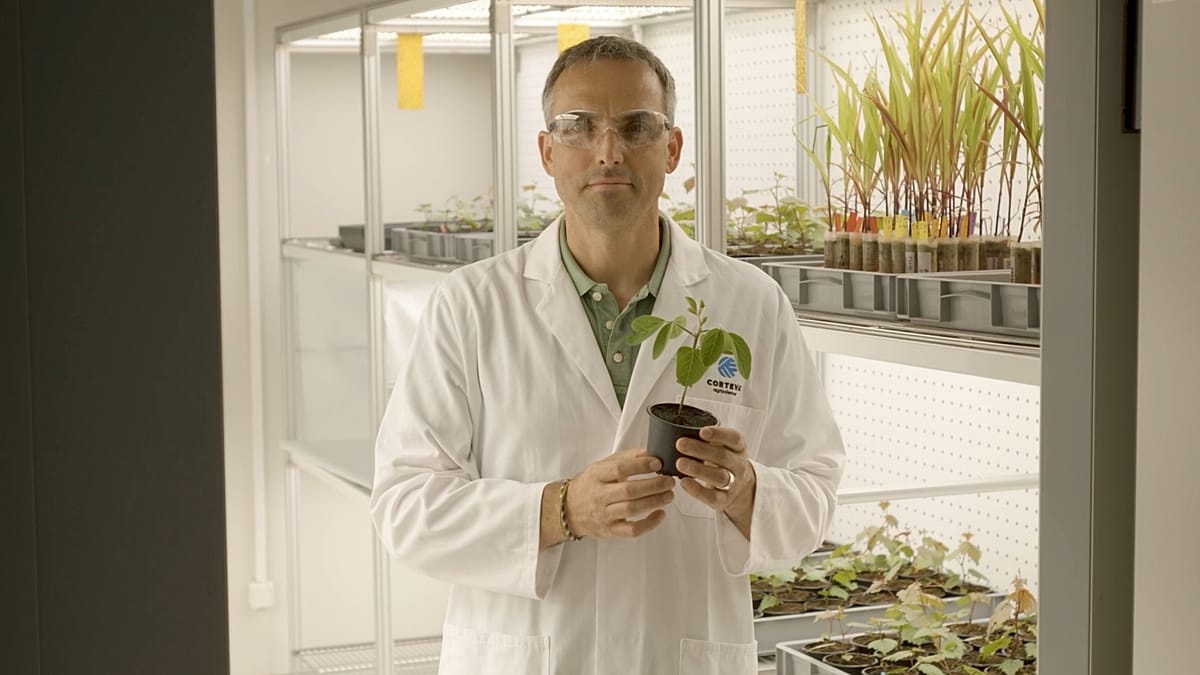
On the sun-drenched fields of Southern Spain, a new maize variety is growing, representing a significant leap in agricultural technology. Developed by Corteva, this gene-edited crop is designed to tackle the pressing challenges faced by European farmers, including changing weather patterns, evolving regulations, and increasing pest pressures. As farming becomes increasingly difficult, the European Union is promoting innovation in the agri-food sector to bolster strategic autonomy and support sustainable practices.
Gene editing allows scientists to make precise modifications to a plant’s DNA without introducing foreign genetic material. This technique enables the enhancement of desirable traits in crops, such as disease resistance and tolerance to extreme weather conditions. By adapting traditional breeding methods to modern science, gene editing accelerates the development of resilient crops, promising to improve food security and environmental sustainability.
The pressures on Europe’s food system are mounting. In Southern Spain, farmers like Pedro Fernández are already grappling with the effects of climate change. “Every time it rains, it rains more than it should,” he explains. “There are long periods of rain followed by many droughts, and new pests are emerging. It can be difficult to produce well.” According to Frank Röber, Europe Breeding Alliances Lead at Corteva, extreme weather can lead to complete harvest losses, impacting food security across the continent.
Gene editing could offer a solution to these challenges. Fernández believes that this technology will enhance food security and enable better environmental stewardship. “If we do things right, we have a great future ahead, but first we have to accept the new technology,” he notes.
Investment in Research and Development
Corteva is committing nearly €3.5 million daily to research and development, with key facilities like the La Rinconada Research Center in Seville and the Eschbach Research Center in Germany at the forefront of gene editing advancements. The company conducts field trials to evaluate the performance of gene-edited maize under real-world conditions, particularly as climate pressures intensify. “Gene editing allows us to create more genetic variation,” Röber explains. “It can be used to stop negative genes or enhance positive ones for improved on-farm performance.”
Beyond maize, gene editing holds promise for various crops. In the UK, Rothamsted Research has developed wheat with enhanced qualities that are moving from small field trials to larger-scale testing. Additionally, scientists have bred a barley variety capable of storing approximately twice as much fat as conventional types, potentially reducing emissions from grazing animals by increasing feed efficiency.
Another innovative application of gene editing is evident in the work of Tropic Biosciences, which focuses on gene-edited Cavendish bananas. These modifications aim to improve taste and shelf life, addressing food waste issues.
The Regulatory Landscape and Future Prospects
The development of gene editing arrives at a critical juncture for Europe. This technology has the potential to enhance both strategic autonomy and sustainability in agriculture. However, its future hinges on the evolving regulatory framework and the public’s trust in these innovations. In 2023, the European Commission proposed a comprehensive legal definition of gene editing, known as New Genomic Techniques (NGTs), but this regulation remains under negotiation and has yet to be formally adopted.
In early 2025, the EU Council endorsed a draft suggesting that gene-edited plants should be treated similarly to conventionally bred plants, while distinguishing them from those involving more complex genetic changes. Nonetheless, final agreement among lawmakers is still pending.
The outcome of this regulatory debate will significantly impact billions in research funding, the resilience of European farms, and the overall productivity of the agricultural system. The next steps in gene editing legislation will determine whether this scientific promise becomes a cornerstone of European agriculture and a vital component of the economy. As stakeholders navigate these challenges, the potential of gene editing in transforming farming practices is at the forefront of discussions on sustainable food production in Europe.

Urgent Recall: Children’s Tableware Labeled Microwavable Unsafe

Flu Cases Surge in Ireland: Nine Dead and Hundreds Hospitalised

Eleanor McEvoy Reflects on Christmas Joy After Daughter’s Birth

Researchers Explore the Black Stork’s Possible Irish Origins

WPP Media Study Uncovers Challenges in Irish Language Advertising

FIFA Unveils Groups for 2026 World Cup in Washington Ceremony

Modi Hosts Putin in Delhi to Strengthen Bilateral Ties

Woodberry Grill at Arena7 Reopens for Christmas Lunches Dec 8!

Teenage Boy Sentenced to 15 Months for Rape of 13-Year-Old

Tributes Surge for 9-Year-Old Leon Briody After Cancer Battle

Aimee Osbourne Joins Family for Emotional Tribute to Ozzy

Danny Healy-Rae Considers Complaint After Altercation with Garda

Ireland Enjoys Summer Heat as Hurricane Erin Approaches Atlantic

Hawaii Commemorates 80 Years Since Hiroshima Bombing with Ceremony

Newcastle West Woman Patricia Foley Found Safe After Urgent Search

Fianna Fáil TDs Urgently Consider Maire Geoghegan-Quinn for Presidency

Couple Convicted of Murdering Two-Year-Old Grandson in Wales

Gaza Aid Distribution Tragedy: 20 Killed Amid Ongoing Violence
-
 Top Stories3 months ago
Tributes Surge for 9-Year-Old Leon Briody After Cancer Battle
-
 Entertainment4 months ago
Aimee Osbourne Joins Family for Emotional Tribute to Ozzy
-
 Politics4 months ago
Danny Healy-Rae Considers Complaint After Altercation with Garda
-
 Top Stories4 months ago
Ireland Enjoys Summer Heat as Hurricane Erin Approaches Atlantic
-
 World5 months ago
Hawaii Commemorates 80 Years Since Hiroshima Bombing with Ceremony
-
 Top Stories3 months ago
Newcastle West Woman Patricia Foley Found Safe After Urgent Search
-
 Top Stories5 months ago
Fianna Fáil TDs Urgently Consider Maire Geoghegan-Quinn for Presidency
-
 World5 months ago
Couple Convicted of Murdering Two-Year-Old Grandson in Wales
-
 World5 months ago
Gaza Aid Distribution Tragedy: 20 Killed Amid Ongoing Violence
-

 World5 months ago
Aristocrat Constance Marten and Partner Convicted of Infant Murder
-

 Top Stories4 months ago
Climbing Errigal: A Must-Do Summer Adventure in Donegal
-

 Top Stories4 months ago
Hike Donegal’s Errigal Mountain NOW for Unforgettable Summer Views