
Science
Gene Editing Set to Transform European Agriculture Landscape

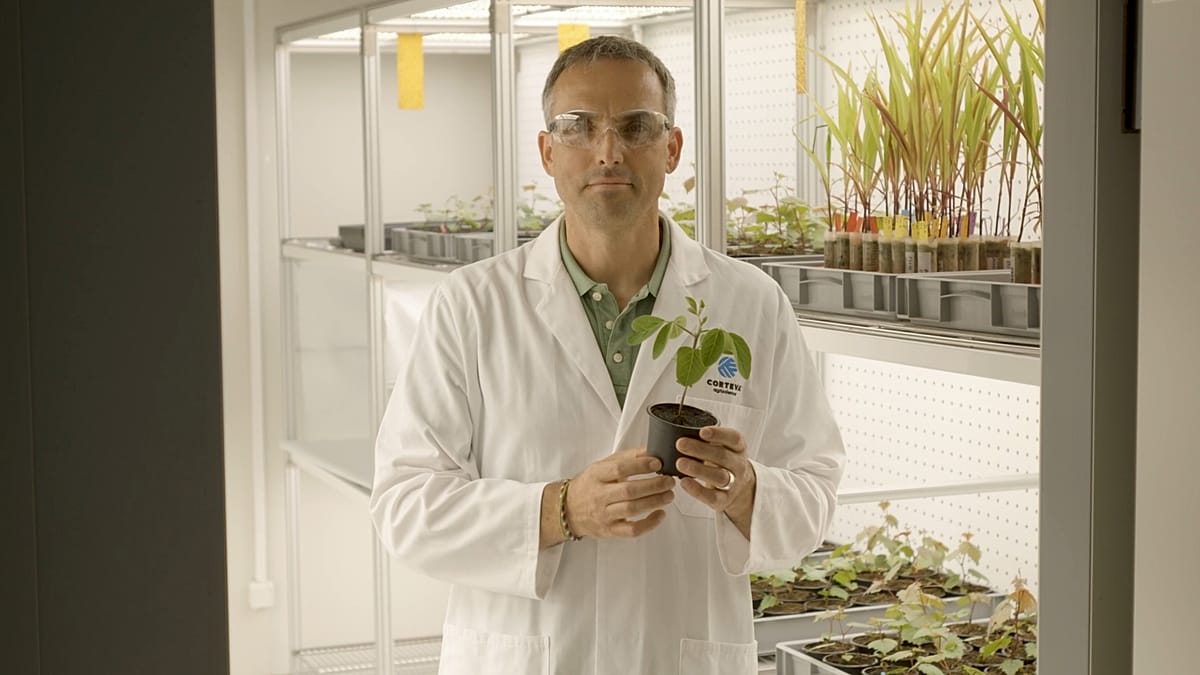
In the sun-drenched fields of Southern Spain, a new breed of maize is emerging, showcasing the potential of gene editing technology to revolutionize agriculture across Europe. As climate change, stringent regulations, and increasing pest pressures challenge farmers, the European Union (EU) is promoting innovations that aim to create resilient crops and sustainable farming practices. One such initiative is currently being tested by the agricultural technology company, Corteva, which is developing gene-edited maize varieties designed to thrive under extreme conditions.
Gene editing enables scientists to make precise alterations to a plant’s DNA without incorporating genetic material from other species. This technology allows for the deletion, modification, or relocation of genes, enhancing a plant’s resilience against diseases, pests, and adverse environmental conditions such as droughts or floods. By accelerating the traditional breeding process, gene editing offers a faster and more efficient means of improving crop varieties.
Farmers in Southern Spain are already experiencing the severe impacts of climate change, with unpredictable weather patterns creating significant agricultural challenges. Pedro Fernández, a farmer from the Seville area, noted, “Every time it rains, it rains more than it should. There are long periods of rain and many droughts. Add to that the fact that there are new pests – it can be difficult to produce well.”
The impact of extreme weather can lead to complete harvest failures, which poses a serious threat to food security, according to Frank Röber, Europe Breeding Alliances Lead at Corteva. For farmers like Fernández, gene editing represents a potential solution to enhance food security while also promoting environmental sustainability. He believes that with the right application of this technology, the future can be promising for agriculture.
Corteva is investing approximately €3.5 million daily in research and development, concentrating efforts at the La Rinconada Research Center in Spain and the Eschbach Research Center in Germany. The company is conducting field trials of gene-edited maize in Seville to assess how these crops will perform under future climatic pressures. Röber emphasizes that gene editing can increase genetic variation, allowing for the optimization of both negative and positive traits to improve on-farm performance.
The potential of gene editing extends beyond maize, with opportunities emerging for various crop types. In addition to developing more robust maize varieties, scientists are utilizing gene editing to create disease-resistant potatoes and other crops. For instance, researchers at the UK’s Rothamsted Research have produced wheat with enhanced traits currently transitioning from small field trials to larger scale testing. They have also developed a barley variety that can store nearly twice as much fat as traditional types, providing a more energy-dense feed that could lower emissions from grazing animals.
The importance of gene editing for European agriculture could not come at a more critical time. It presents an opportunity to enhance strategic autonomy while ensuring sustainable practices. However, the future of this technology hinges on the evolution of regulations and the establishment of public trust. In 2023, the European Commission proposed a comprehensive legal definition for gene editing, known as New Genomic Techniques (NGTs). While a draft approved by the EU Council in early 2025 aims to regulate gene-edited plants similarly to conventionally bred plants, final agreements among lawmakers are still pending.
As discussions about the regulation of gene editing continue, the stakes are high. Billions in research investments and the resilience of European farms depend on how quickly and effectively these regulations are established. The outcome of this debate will determine whether gene editing becomes an integral part of European agriculture or remains a scientific concept with untapped potential.

Urgent Hack to Prevent Bedroom Condensation This Winter

Irish Stone Lifting Revolution Gains Momentum Amid Covid Recovery

Health Insurers Hike Prices Again; Average Premiums Near €2,000

Health Insurers Hike Prices Again: Average Premiums Soar 8%

Dublin Man Gets 20-Month Suspended Sentence for Money Laundering

Transforming Teen Anxiety: Building Self-Belief Through Experience

Helen Flanagan Dazzles in Red Lingerie Amid Online Criticism

Former Councillor Receives Suspended Sentence for Harassment

New Research Reveals Connection’s Role in Audio Consumption

Tributes Surge for 9-Year-Old Leon Briody After Cancer Battle

Aimee Osbourne Joins Family for Emotional Tribute to Ozzy

Danny Healy-Rae Considers Complaint After Altercation with Garda

Ireland Enjoys Summer Heat as Hurricane Erin Approaches Atlantic

Hawaii Commemorates 80 Years Since Hiroshima Bombing with Ceremony

Newcastle West Woman Patricia Foley Found Safe After Urgent Search

Fianna Fáil TDs Urgently Consider Maire Geoghegan-Quinn for Presidency

Couple Convicted of Murdering Two-Year-Old Grandson in Wales

Gaza Aid Distribution Tragedy: 20 Killed Amid Ongoing Violence
-
 Top Stories3 months ago
Tributes Surge for 9-Year-Old Leon Briody After Cancer Battle
-
 Entertainment4 months ago
Aimee Osbourne Joins Family for Emotional Tribute to Ozzy
-
 Politics4 months ago
Danny Healy-Rae Considers Complaint After Altercation with Garda
-
 Top Stories4 months ago
Ireland Enjoys Summer Heat as Hurricane Erin Approaches Atlantic
-
 World5 months ago
Hawaii Commemorates 80 Years Since Hiroshima Bombing with Ceremony
-
 Top Stories3 months ago
Newcastle West Woman Patricia Foley Found Safe After Urgent Search
-
 Top Stories5 months ago
Fianna Fáil TDs Urgently Consider Maire Geoghegan-Quinn for Presidency
-
 World5 months ago
Couple Convicted of Murdering Two-Year-Old Grandson in Wales
-
 World5 months ago
Gaza Aid Distribution Tragedy: 20 Killed Amid Ongoing Violence
-

 World5 months ago
Aristocrat Constance Marten and Partner Convicted of Infant Murder
-

 Top Stories4 months ago
Climbing Errigal: A Must-Do Summer Adventure in Donegal
-

 Top Stories4 months ago
Hike Donegal’s Errigal Mountain NOW for Unforgettable Summer Views