
Science
Gene Editing Transforms European Farming with New Technologies

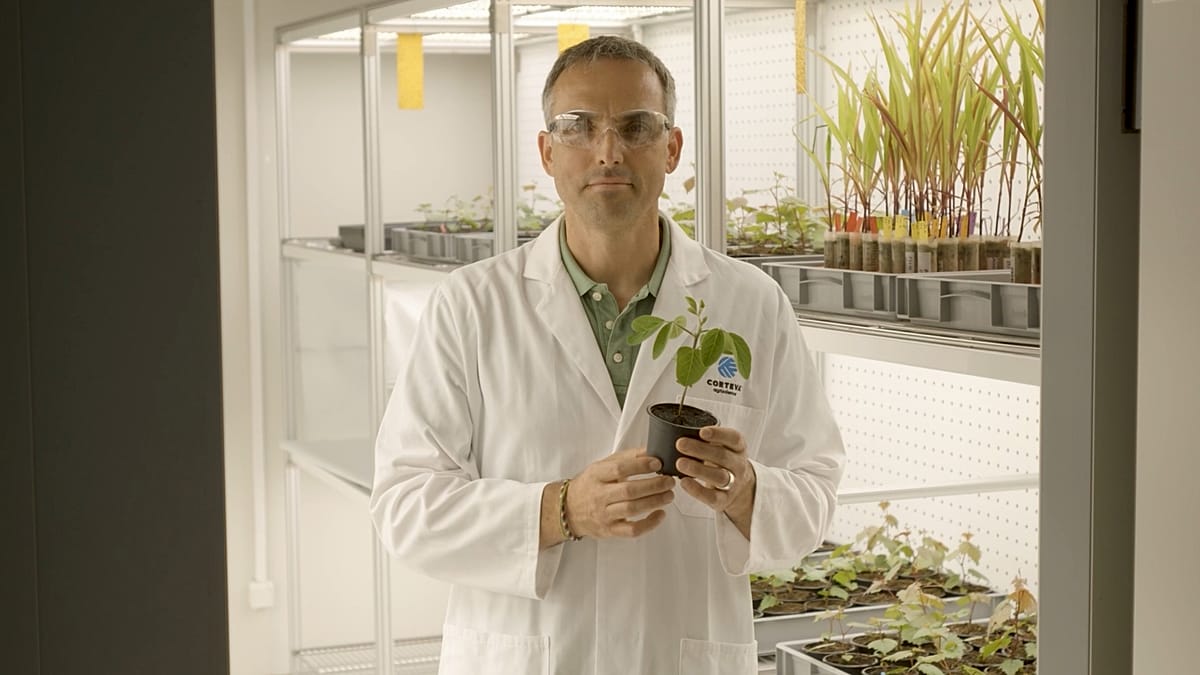
Farmers in Southern Spain are cultivating a new type of maize that harnesses advanced gene editing technology. This innovation is part of a broader strategy aimed at revitalizing European agriculture amid increasing challenges such as changing weather patterns, rising pest pressures, and evolving regulations. The European Union (EU) is actively supporting these developments to enhance food security and sustainability across the continent.
Corteva, a global agricultural technology company, is currently trialing gene-edited maize varieties designed to withstand extreme environmental conditions. These crops aim to improve yields and make domestic production more affordable, even in less favorable climates and soils.
Understanding Gene Editing
Gene editing is a modern technique that allows scientists to make precise alterations to a plant’s DNA. Unlike traditional methods, this approach does not involve inserting genes from different species. Instead, it modifies a plant’s own genetic material to enhance traits such as disease resistance and stress tolerance. This method accelerates what farmers have traditionally done through selective breeding but does so in a more efficient and cost-effective manner.
Southern Spain is already experiencing significant environmental stress, which could soon affect other regions. “Every time it rains, it rains more than it should,” says Pedro Fernández, a farmer from the Seville area. He highlights the challenges posed by unpredictable weather, including prolonged periods of drought and heavy rainfall, alongside the emergence of new pests.
Frank Röber, Europe Breeding Alliances Lead at Corteva, emphasizes the risk posed by extreme weather, stating, “One of the many problems posed by extreme weather conditions is that they can lead to complete harvest losses.” This situation presents a serious threat to food security across Europe. For farmers like Fernández, gene editing offers a potential path to greater food security and environmental stewardship. “If we do things right, we have a great future ahead,” he affirms, highlighting the need for acceptance of new technologies.
Investment in Research and Development
Corteva is heavily investing in research, allocating nearly €3.5 million daily towards developing gene editing technologies. The company’s La Rinconada Research Center in Seville and the Eschbach Research Center in Germany are central to these efforts. By conducting trials in real-world conditions, Corteva aims to demonstrate how gene-edited crops can perform under future climate pressures.
“Gene editing allows us to create more genetic variation,” explains Röber. The technology can be utilized to enhance beneficial traits and mitigate negative ones, leading to improved performance on farms.
Gene editing is not limited to maize; it presents opportunities across various crops. Plant scientists are developing more resilient varieties, including disease-resistant potatoes. For instance, researchers at the UK’s Rothamsted Research are transitioning enhanced wheat from small field trials to larger-scale testing. They have also bred a barley variety that can store approximately twice as much fat as traditional types, which could significantly reduce emissions from grazing animals.
Tropic Biosciences is also exploring gene editing through their work on Cavendish bananas, aiming to enhance flavor and shelf life while reducing food waste.
The Future of Gene Editing in Europe
As gene editing technology progresses, Europe stands at a crucial juncture. This innovation could play a significant role in balancing strategic autonomy with sustainability in agriculture. However, its future hinges on regulatory developments and public acceptance.
In 2023, the European Commission proposed a comprehensive legal definition for New Genomic Techniques (NGTs), including gene editing. While the regulation remains under negotiation, it has not yet been formally adopted into EU law. In early 2025, the EU Council endorsed a draft that treats gene-edited plants similarly to conventionally bred varieties, although it distinguishes them from those requiring more complex changes.
The outcome of these discussions will have profound implications for the agricultural landscape in Europe. Billions in research funding and the resilience of European farms depend on the successful integration of gene editing into farming practices. As the debate unfolds, the potential for gene editing to transition from a scientific promise to a fundamental element of European agriculture is at stake.

Elaine Crowley Hosts Breast Cancer Ireland Lunch, Raises €4.5M

Darina Allen Reveals 5 Must-Try Recipes for a Classic Christmas Feast

Late Late Toy Show 2025 Delivers Heartwarming Moments LIVE!

Brother Issues Urgent Warning After Sister’s Fatal Home Birth

RTE Honors Brave Saoirse Ruane with Heartfelt Tribute on Toy Show

WPP Media Research Highlights Challenges in Irish Language Advertising

Scotland’s Coach Clarke Optimistic About World Cup Group C Draw

Frank Gehry, Iconic Architect, Passes Away at 96

New Cheese Factory Set for Kilkenny City, Boosting Local Economy

Tributes Surge for 9-Year-Old Leon Briody After Cancer Battle

Aimee Osbourne Joins Family for Emotional Tribute to Ozzy

Danny Healy-Rae Considers Complaint After Altercation with Garda

Ireland Enjoys Summer Heat as Hurricane Erin Approaches Atlantic

Hawaii Commemorates 80 Years Since Hiroshima Bombing with Ceremony

Newcastle West Woman Patricia Foley Found Safe After Urgent Search

Fianna Fáil TDs Urgently Consider Maire Geoghegan-Quinn for Presidency

Couple Convicted of Murdering Two-Year-Old Grandson in Wales

Gaza Aid Distribution Tragedy: 20 Killed Amid Ongoing Violence
-
 Top Stories3 months ago
Tributes Surge for 9-Year-Old Leon Briody After Cancer Battle
-
 Entertainment4 months ago
Aimee Osbourne Joins Family for Emotional Tribute to Ozzy
-
 Politics4 months ago
Danny Healy-Rae Considers Complaint After Altercation with Garda
-
 Top Stories4 months ago
Ireland Enjoys Summer Heat as Hurricane Erin Approaches Atlantic
-
 World5 months ago
Hawaii Commemorates 80 Years Since Hiroshima Bombing with Ceremony
-
 Top Stories3 months ago
Newcastle West Woman Patricia Foley Found Safe After Urgent Search
-
 Top Stories5 months ago
Fianna Fáil TDs Urgently Consider Maire Geoghegan-Quinn for Presidency
-
 World5 months ago
Couple Convicted of Murdering Two-Year-Old Grandson in Wales
-
 World5 months ago
Gaza Aid Distribution Tragedy: 20 Killed Amid Ongoing Violence
-

 World5 months ago
Aristocrat Constance Marten and Partner Convicted of Infant Murder
-

 Top Stories4 months ago
Climbing Errigal: A Must-Do Summer Adventure in Donegal
-

 Top Stories4 months ago
Hike Donegal’s Errigal Mountain NOW for Unforgettable Summer Views