
Science
Kazakhstan Accelerates Nuclear Projects to Shape Energy Future

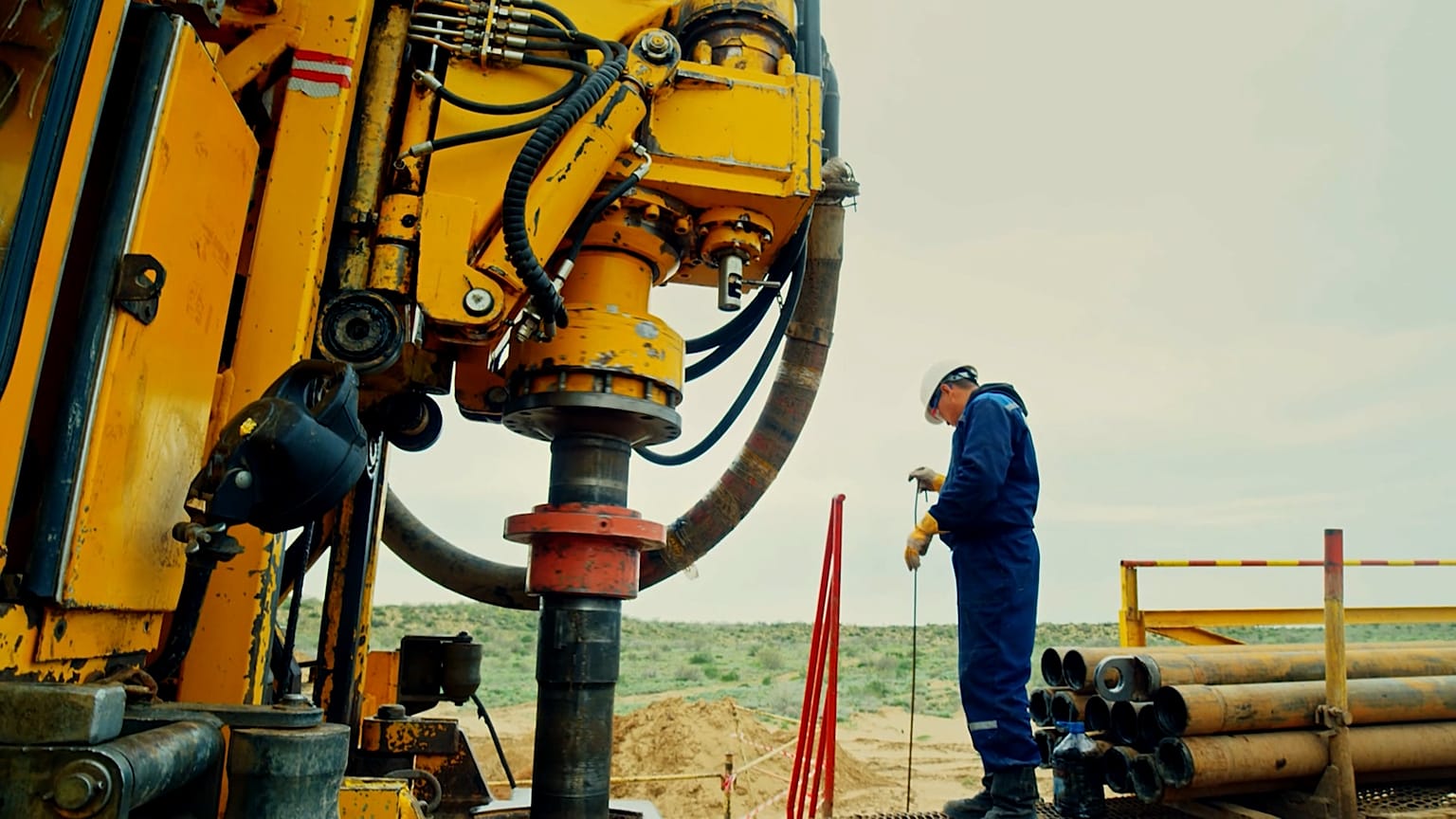
Kazakhstan is advancing its nuclear energy initiatives by leveraging its vast uranium resources, establishing research hubs, and forming strategic partnerships. This effort aims to position the Central Asian nation as a significant player in global energy markets while pursuing a goal of carbon neutrality by **2060**. With nuclear energy gaining renewed interest worldwide, Kazakhstan is set to emerge as a leader in this domain.
Currently the world’s top producer of uranium, Kazakhstan holds approximately **one million tonnes** in reserves, sufficient for decades of production. Yet, the country does not utilize nuclear power for its own electricity needs, relying on coal for **70%** of its energy mix. The urgency for a transition to nuclear energy is underscored by the government’s announcement of a renewed focus on this sector, referred to as its second nuclear revival.
Kazakhstan’s plans include the construction of several nuclear power plants over the next few decades. Among these is the **Balkhash Nuclear Power Plant**, a collaboration with Russia’s **Rosatom**, expected to be operational by **2035**. This facility will feature two Generation III+ pressurized water reactors with a total capacity of **2.4 GW**. The site selection process for the plant has commenced, focusing on a location in the seismically active Almaty region.
Asset Makhambetov, Deputy Chairman of Kazakhstan’s Agency for Atomic Energy, emphasized the importance of safety in the project’s design, stating, “The chosen technology includes all the passive and active safety systems needed to ensure safe and reliable operation of the reactor, and all the lessons learned from Fukushima and Chernobyl, so that kind of accidents won’t happen in the future.” Additionally, Kazakhstan is collaborating with its technology provider to enhance radioactive waste management practices.
Developing an Innovation Ecosystem
As Kazakhstan moves forward with its nuclear ambitions, it is also expanding the surrounding ecosystem. The country has been mining uranium for over **50 years**, establishing a foundation for nuclear research. Earlier this year, President **Kassym-Jomart Tokayev** announced plans to develop two science cities in **Almaty** and **Kurchatov**, focusing on nuclear energy and medical applications.
The **Institute of Nuclear Physics** in Almaty and the **National Nuclear Centre** in Kurchatov will anchor these initiatives. In a significant step, the Institute of Nuclear Physics has started exporting technetium-99 radiopharmaceuticals to Kyrgyzstan, facilitated by the **International Atomic Energy Agency**. These radiopharmaceuticals are crucial for medical imaging, particularly in cancer and cardiac diagnostics.
Makhambetov noted, “Right now, we are developing the long-term strategy for nuclear industry development of Kazakhstan up to **2050**.” This comprehensive approach aims to not only enhance Kazakhstan’s nuclear capabilities but also benefit public health.
Expanding the Nuclear Fuel Cycle
Kazakhstan’s focus on uranium mining and fuel production is set to broaden. The national operator, **Kazatomprom**, oversees the initial stages of the nuclear fuel cycle, including exploration and mining. The company is now looking to incorporate additional stages such as conversion and enrichment, which would solidify Kazakhstan’s position in global supply chains.
Despite plans to reduce production by **10%** next year, CEO **Meirzhan Yussupov** remains optimistic. He stated, “We are sticking to our value-over-volume strategy. And we see that there is increasing interest in nuclear energy, given the pledge by more than **20 countries** to triple their nuclear capacity by **2050**.” The demand for energy from big tech and the anticipated structural deficit of uranium in the coming decade further reinforce this positive outlook.
Kazatomprom benefits from Kazakhstan’s extensive reserves suitable for in-situ recovery mining, a method that is cost-effective and less invasive than traditional extraction. The country has nearly transitioned to this method for its uranium production. Additionally, the **Ulba Metallurgical Plant** has reached its full production capacity of **200 tonnes** of low-enriched nuclear fuel, which is exported to reactors in China.
Kazakhstan has long championed peaceful nuclear initiatives since gaining independence. The nation voluntarily dismantled its inherited nuclear arsenal, closed the **Semipalatinsk** test site, and played a pivotal role in establishing the **Central Asian Nuclear-Weapon-Free Zone**. In **2015**, Kazakhstan initiated a UN General Assembly resolution advocating for the complete elimination of nuclear weapons.
Today, Kazakhstan hosts the world’s **Low Enriched Uranium Bank** at the Ulba Metallurgical Plant, managed by the International Atomic Energy Agency. This facility acts as a reserve of reactor-grade uranium for member states, ensuring supply stability. Operational since **2019**, it currently stores **90 tonnes** of uranium hexafluoride, supplied by Kazakhstan and France, with safety measures in place to protect the environment.
Through its ambitious nuclear projects and research initiatives, Kazakhstan is positioning itself as a key player in the global nuclear energy landscape, committed to advancing both energy security and public health.

Driver Receives Extended Jail Sentence After High-Speed Garda Chase

Israel Strikes Hezbollah in Lebanon Following Direct Talks

Man Appeals Conviction in Dublin Park Strangulation Case

Man Appeals Conviction for Attempted Strangulation in Dublin

Extended Christmas Public Transport Services Launch Across Dublin

George Clooney Reflects on Family and Directing in New Film

Empowering Teens: Transforming Anxiety into Self-Belief

RSA Urges Caution on E-Scooter Gifts for Children This Christmas

Inquiry Reveals Fisheries Agency Allowed False Insurance Claims

Tributes Surge for 9-Year-Old Leon Briody After Cancer Battle

Aimee Osbourne Joins Family for Emotional Tribute to Ozzy

Danny Healy-Rae Considers Complaint After Altercation with Garda

Ireland Enjoys Summer Heat as Hurricane Erin Approaches Atlantic

Hawaii Commemorates 80 Years Since Hiroshima Bombing with Ceremony

Newcastle West Woman Patricia Foley Found Safe After Urgent Search

Fianna Fáil TDs Urgently Consider Maire Geoghegan-Quinn for Presidency

Couple Convicted of Murdering Two-Year-Old Grandson in Wales

Gaza Aid Distribution Tragedy: 20 Killed Amid Ongoing Violence
-
 Top Stories3 months ago
Tributes Surge for 9-Year-Old Leon Briody After Cancer Battle
-
 Entertainment4 months ago
Aimee Osbourne Joins Family for Emotional Tribute to Ozzy
-
 Politics4 months ago
Danny Healy-Rae Considers Complaint After Altercation with Garda
-
 Top Stories4 months ago
Ireland Enjoys Summer Heat as Hurricane Erin Approaches Atlantic
-
 World5 months ago
Hawaii Commemorates 80 Years Since Hiroshima Bombing with Ceremony
-
 Top Stories3 months ago
Newcastle West Woman Patricia Foley Found Safe After Urgent Search
-
 Top Stories5 months ago
Fianna Fáil TDs Urgently Consider Maire Geoghegan-Quinn for Presidency
-
 World5 months ago
Couple Convicted of Murdering Two-Year-Old Grandson in Wales
-
 World5 months ago
Gaza Aid Distribution Tragedy: 20 Killed Amid Ongoing Violence
-

 World5 months ago
Aristocrat Constance Marten and Partner Convicted of Infant Murder
-

 Top Stories4 months ago
Climbing Errigal: A Must-Do Summer Adventure in Donegal
-

 Top Stories4 months ago
Hike Donegal’s Errigal Mountain NOW for Unforgettable Summer Views