
Science
Professor Rejects Honorary Degree from University of Galway Over Israeli Links

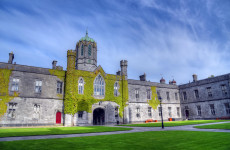
In a significant development, Professor Kerby Miller has become the third individual this week to decline an honorary doctorate from the University of Galway. This decision comes amid ongoing concerns regarding the university’s collaboration with the Technion Institute of Technology in Israel, an institution linked to military technology.
Speaking at an event on the Galway campus, Professor Miller, a noted expert on Irish emigration, announced he could not accept the award due to the university’s research ties with the Israeli institution. He was set to be honored for his contributions to the university’s Imirce digital archive, which documents over 300 years of emigrant letters.
Growing Opposition to University’s Research Partnerships
Professor Brendán MacSuibhne, an established Professor of Modern Irish History who collaborated with Miller on the archive project, emphasized the weight of Miller’s decision. He remarked that it reflects poorly on the university that a distinguished scholar feels compelled to refuse an honorary degree due to ethical concerns.
Earlier this week, acclaimed actor Olwen Fouéré and film-maker Margo Harkin also withdrew from receiving honorary degrees during a ceremony intended to honor nine prominent figures in the arts, culture, and public life. Both women cited their opposition to the university’s partnership with the Technion.
Fouéré was slated to receive a Doctor of Arts for her extensive contributions to theatre, film, and television. In her statement, she expressed her pride in being offered the honorary doctorate but underscored her commitment to human rights, noting the university’s connection to the Irish Centre for Human Rights, which has advocated for justice in Palestine.
Controversial Research Partnership
The University of Galway maintains that it is contractually obligated to continue its research collaboration with the Technion, specifically regarding the €3.9 million ASTERISK project focused on extracting hydrogen from seawater. This initiative is co-funded by the EU and involves various partners, including the Technion, which has been criticized for its associations with Israel’s arms industry.
Fouéré highlighted that the contract with Technion was signed in December 2024, during a time of intense conflict in Gaza. She described the partnership as problematic, linking it to the development of technologies used for military purposes, including the infamous D9 bulldozer, which demolishes Palestinian homes. She also pointed out that Technion students can earn academic credits for military service.
In light of the growing dissent, Fouéré indicated that her initial plan was to accept the degree and publicly challenge the university’s delays in severing ties with Technion. However, after careful consideration, she decided that refusing the honor would make a more impactful statement during this pivotal moment in the university’s history. She called upon the newly appointed president, Peter McHugh, and the university’s governing authority to terminate all connections with the Technion.
Last year, the university announced a review of its Israeli ties, including a human rights impact assessment of its research collaborations. Yet, McHugh informed staff that the ASTERISK project had been approved prior to the assessment’s initiation, and legal advice mandated that the partnership continue based solely on existing contractual commitments.
The university stated that the findings of its human rights impact assessment have not yet been published due to recent legal recommendations suggesting that the interim assessment should not be relied upon in the absence of formalized university policies.
This week, the university reiterated its commitment to exploring potential pathways regarding the research partnership. The controversy surrounding its ties with the Technion has prompted other notable figures, such as activist Margaretta D’Arcy, who passed away recently, and film-maker Lelia Doolan, to return their honorary doctorates in protest.
Other recipients of honorary degrees this week included artist Brian Bourke, novelist Anna Heussaff, harpist Kathleen Loughnane, former advocacy manager Peadar Mac Fhlannchadha, and poet Micheál Ó Cuaig.
The ongoing situation at the University of Galway highlights a growing tension between academic partnerships and ethical considerations in the context of international conflicts, raising questions about the responsibilities of educational institutions.

Urgent Fire Erupts in Edenderry, Co Offaly; Fears of Trapped Residents

Limerick Farmer Eamonn Sheehan, 58, Dies in Tragic Accident

Senator Demands Emergency Meeting After Drones Disrupt Zelensky Visit

HSE Issues Apology After Wrongful Diagnosis Leads to Termination

Maximize Your 20 Days of Annual Leave for Extended Breaks in 2026

March Reopening of Bray to Greystones Cliff Walk Faces Challenges

WPP Media Reveals Key Insights on Irish Language Advertising

Mo Salah Criticizes Liverpool Management Amid Exit Speculation

Israel Set for Eurovision 2026 After Vote Withdrawal by Broadcasters

Tributes Surge for 9-Year-Old Leon Briody After Cancer Battle

Aimee Osbourne Joins Family for Emotional Tribute to Ozzy

Danny Healy-Rae Considers Complaint After Altercation with Garda

Ireland Enjoys Summer Heat as Hurricane Erin Approaches Atlantic

Hawaii Commemorates 80 Years Since Hiroshima Bombing with Ceremony

Newcastle West Woman Patricia Foley Found Safe After Urgent Search

Fianna Fáil TDs Urgently Consider Maire Geoghegan-Quinn for Presidency

Couple Convicted of Murdering Two-Year-Old Grandson in Wales

Gaza Aid Distribution Tragedy: 20 Killed Amid Ongoing Violence
-
 Top Stories3 months ago
Tributes Surge for 9-Year-Old Leon Briody After Cancer Battle
-
 Entertainment4 months ago
Aimee Osbourne Joins Family for Emotional Tribute to Ozzy
-
 Politics4 months ago
Danny Healy-Rae Considers Complaint After Altercation with Garda
-
 Top Stories4 months ago
Ireland Enjoys Summer Heat as Hurricane Erin Approaches Atlantic
-
 World5 months ago
Hawaii Commemorates 80 Years Since Hiroshima Bombing with Ceremony
-
 Top Stories3 months ago
Newcastle West Woman Patricia Foley Found Safe After Urgent Search
-
 Top Stories5 months ago
Fianna Fáil TDs Urgently Consider Maire Geoghegan-Quinn for Presidency
-
 World5 months ago
Couple Convicted of Murdering Two-Year-Old Grandson in Wales
-
 World5 months ago
Gaza Aid Distribution Tragedy: 20 Killed Amid Ongoing Violence
-

 World5 months ago
Aristocrat Constance Marten and Partner Convicted of Infant Murder
-

 Top Stories4 months ago
Climbing Errigal: A Must-Do Summer Adventure in Donegal
-

 Top Stories4 months ago
Hike Donegal’s Errigal Mountain NOW for Unforgettable Summer Views