
Science
Scholars Challenge Viking Myths, Cite Medieval Fiction Influence

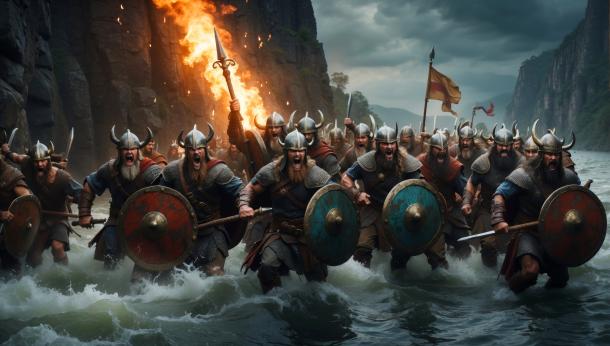
Recent research from the University of Münster has brought into question the popular beliefs surrounding Viking culture. Scholars from the institution’s Cluster of Excellence “Religion and Politics” have found that many modern assumptions about Norse warriors and their pagan beliefs are largely based on medieval fiction rather than verifiable historical evidence.
Leading the research, Roland Scheel, a Scandinavian studies scholar, noted that the primary sources documenting the Viking era were written by Christian scholars well after the Viking period had concluded. Most of the surviving texts date back over a century after this historical time frame, contributing to what Scheel describes as “memorialized history.” This term reflects a narrative shaped by later interpretations rather than accurate contemporary accounts.
Medieval Interpretations Shape Modern Understanding
According to Scheel, the lack of direct documentation from the Viking Age creates significant gaps in understanding. Apart from a few brief runic inscriptions, no written records from the period have survived. The existing narratives about the Vikings often stem from works composed long after the events they describe, leading to a distorted view of their society and beliefs.
The research emphasizes that many traits commonly attributed to Vikings, including their ferocity and rituals, may be exaggerated or completely fabricated. This has significant implications for how Viking culture is portrayed in literature, film, and popular media. The romanticized image of the Viking warrior, often depicted as a brutal and fearsome fighter, may not accurately represent the complexity of Norse society.
Impacts on Historical Studies and Popular Culture
The findings from the University of Münster invite a reevaluation of Viking history and its romanticization in contemporary culture. They suggest that enthusiasts and scholars alike should approach Viking lore with a critical eye, recognizing the differences between myth and historical fact.
As interest in Viking culture remains high, particularly in Scandinavia and beyond, the implications of this research could transform educational approaches and public perceptions. It could inspire a deeper investigation into the actual historical context of the Vikings, leading to a more nuanced understanding of their influence on European history.
In conclusion, the work by Roland Scheel and his team highlights the need for caution when interpreting Viking culture. The reliance on medieval sources has crafted a narrative that may not hold up under scientific scrutiny, urging both scholars and the public to seek more accurate representations of this fascinating historical epoch.

Taxi Drivers Launch Urgent Protest in Galway Next Week

WPP Media Unveils Irish Language Advertising’s Dependency Dilemma

Rory McIlroy Eyes Comeback at Crown Australian Open

Nigel Farage Faces Growing Racism Allegations at Press Conference

Irishman James Graham Honored for Valor at Waterloo Battle

Ireland Joins Global Crackdown on Tax Evasion for Foreign Properties

Discover Ireland’s Rich Mythology: Legends and Folklore Explored

Irish Hero James Graham Honored as Bravest at Waterloo Battle

Dublin Taxi Drivers Launch Six-Day Protests, Urge Action Now

Tributes Surge for 9-Year-Old Leon Briody After Cancer Battle

Aimee Osbourne Joins Family for Emotional Tribute to Ozzy

Danny Healy-Rae Considers Complaint After Altercation with Garda

Ireland Enjoys Summer Heat as Hurricane Erin Approaches Atlantic

Hawaii Commemorates 80 Years Since Hiroshima Bombing with Ceremony

Newcastle West Woman Patricia Foley Found Safe After Urgent Search

Fianna Fáil TDs Urgently Consider Maire Geoghegan-Quinn for Presidency

Couple Convicted of Murdering Two-Year-Old Grandson in Wales

Gaza Aid Distribution Tragedy: 20 Killed Amid Ongoing Violence
-
 Top Stories3 months ago
Tributes Surge for 9-Year-Old Leon Briody After Cancer Battle
-
 Entertainment4 months ago
Aimee Osbourne Joins Family for Emotional Tribute to Ozzy
-
 Politics4 months ago
Danny Healy-Rae Considers Complaint After Altercation with Garda
-
 Top Stories4 months ago
Ireland Enjoys Summer Heat as Hurricane Erin Approaches Atlantic
-
 World5 months ago
Hawaii Commemorates 80 Years Since Hiroshima Bombing with Ceremony
-
 Top Stories3 months ago
Newcastle West Woman Patricia Foley Found Safe After Urgent Search
-
 Top Stories5 months ago
Fianna Fáil TDs Urgently Consider Maire Geoghegan-Quinn for Presidency
-
 World5 months ago
Couple Convicted of Murdering Two-Year-Old Grandson in Wales
-
 World5 months ago
Gaza Aid Distribution Tragedy: 20 Killed Amid Ongoing Violence
-

 World5 months ago
Aristocrat Constance Marten and Partner Convicted of Infant Murder
-

 Top Stories4 months ago
Climbing Errigal: A Must-Do Summer Adventure in Donegal
-

 Top Stories4 months ago
Hike Donegal’s Errigal Mountain NOW for Unforgettable Summer Views