
Sports
FIFA Proposes VAR Changes for Corner Kick Decisions Ahead of World Cup

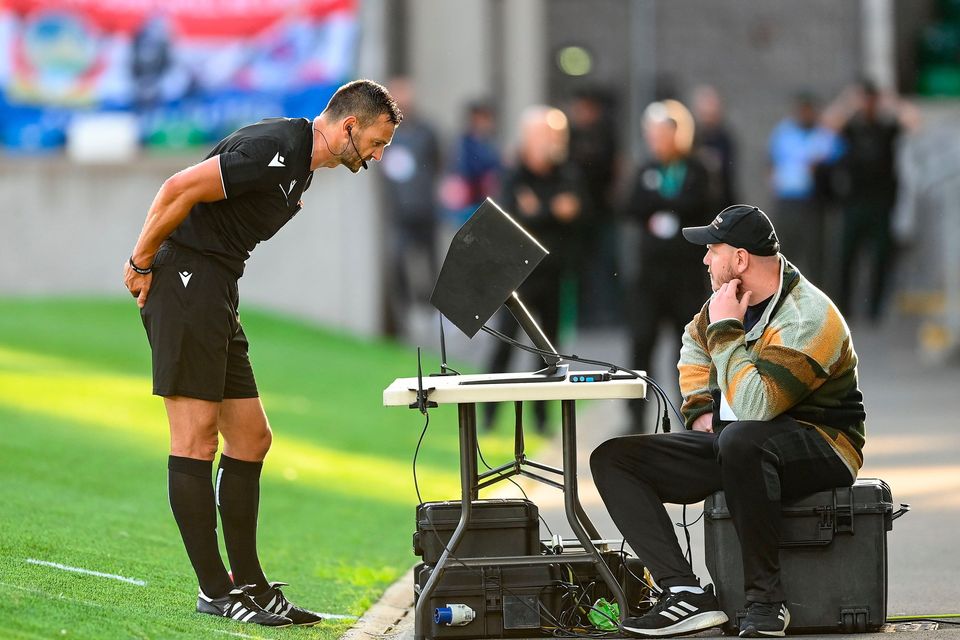
FIFA has proposed the introduction of its own Video Assistant Referee (VAR) laws for the upcoming World Cup, specifically targeting corner kick decisions. This initiative aims to minimize errors during critical match moments, especially in high-stakes matches like the World Cup final. A previous proposal to review incorrect corner decisions was rejected by the International Football Association Board (IFAB) last month, but FIFA is now seeking special permissions for the tournament scheduled for 2026 in the United States, Mexico, and Canada.
While FIFA’s initiative has the potential to enhance the fairness of the game, it raises concerns among clubs and leagues, particularly within the Premier League. Nottingham Forest manager Sean Dyche recently voiced his frustration over the lack of reviews for corner decisions after his team suffered goals from wrongly awarded corners in consecutive matches. Dyche described the situation as “farcical,” highlighting the urgent need for oversight in such pivotal moments.
Concerns Over VAR Expansion
FIFA’s proposal suggests that additional VAR powers for corner kick reviews could be granted without formally amending the Laws of the Game. This flexibility would enable FIFA and UEFA to implement their VAR policies specifically for short tournaments, such as World Cups and European Championships. The idea has sparked mixed reactions among advisory panel members, which include former players, coaches, and referees.
Supporters of the proposal argue that it could prevent embarrassing mistakes during the tournament, while critics worry about the implications for the broader football community. FIFA’s initial suggestion to incorporate corner decisions into VAR’s scope appears to conflict with Law Five, which states that a referee cannot change a restart decision once play has resumed.
With approximately 10 corners occurring in each Premier League match, the potential for VAR intervention could significantly affect game dynamics. Mark Bullingham, chief executive of the Football Association, has expressed opposition to expanding VAR’s authority, emphasizing the need for consistency across football leagues.
Future of VAR in Football
The IFAB board, which includes the four United Kingdom football associations and FIFA, faces a challenging decision. Any changes to the Laws of the Game require at least six out of eight votes to pass. Discussions about extending VAR powers to cover corner kicks and potentially second yellow cards have been ongoing since the summer, but the latter remains unlikely due to its subjective nature.
While some radical ideas, such as declaring a penalty “dead” if the goalkeeper saves, have been raised, they have not gained traction. As the IFAB prepares for its annual meeting in March 2024, the outcome will determine the future of VAR implementations for the World Cup.
FIFA’s ability to operate VAR independently from club football has generated skepticism. As FIFA continues to navigate its relationship with international leagues, the question remains whether the organization will prioritize global standards or its own agenda. The ongoing conversations surrounding VAR reflect larger tensions within the sport, where the balance between technology and human oversight is continuously tested.

Transforming Teen Anxiety: Building Self-Belief Through Experience

Helen Flanagan Dazzles in Red Lingerie Amid Online Criticism

Former Councillor Receives Suspended Sentence for Harassment

New Research Reveals Connection’s Role in Audio Consumption

Neville Critiques Manchester United’s Softness After West Ham Draw

U.S. Lawmakers Demand Clarity on Controversial Boat Strikes

Man’s Sentence for Stepdaughters’ Abuse More Than Doubled to 10 Years

Driver Receives Extended Jail Sentence After High-Speed Garda Chase

Israel Strikes Hezbollah in Lebanon Following Direct Talks

Tributes Surge for 9-Year-Old Leon Briody After Cancer Battle

Aimee Osbourne Joins Family for Emotional Tribute to Ozzy

Danny Healy-Rae Considers Complaint After Altercation with Garda

Ireland Enjoys Summer Heat as Hurricane Erin Approaches Atlantic

Hawaii Commemorates 80 Years Since Hiroshima Bombing with Ceremony

Newcastle West Woman Patricia Foley Found Safe After Urgent Search

Fianna Fáil TDs Urgently Consider Maire Geoghegan-Quinn for Presidency

Couple Convicted of Murdering Two-Year-Old Grandson in Wales

Gaza Aid Distribution Tragedy: 20 Killed Amid Ongoing Violence
-
 Top Stories3 months ago
Tributes Surge for 9-Year-Old Leon Briody After Cancer Battle
-
 Entertainment4 months ago
Aimee Osbourne Joins Family for Emotional Tribute to Ozzy
-
 Politics4 months ago
Danny Healy-Rae Considers Complaint After Altercation with Garda
-
 Top Stories4 months ago
Ireland Enjoys Summer Heat as Hurricane Erin Approaches Atlantic
-
 World5 months ago
Hawaii Commemorates 80 Years Since Hiroshima Bombing with Ceremony
-
 Top Stories3 months ago
Newcastle West Woman Patricia Foley Found Safe After Urgent Search
-
 Top Stories5 months ago
Fianna Fáil TDs Urgently Consider Maire Geoghegan-Quinn for Presidency
-
 World5 months ago
Couple Convicted of Murdering Two-Year-Old Grandson in Wales
-
 World5 months ago
Gaza Aid Distribution Tragedy: 20 Killed Amid Ongoing Violence
-

 World5 months ago
Aristocrat Constance Marten and Partner Convicted of Infant Murder
-

 Top Stories4 months ago
Climbing Errigal: A Must-Do Summer Adventure in Donegal
-

 Top Stories4 months ago
Hike Donegal’s Errigal Mountain NOW for Unforgettable Summer Views