
Top Stories
Urgent Climate Warning: Ireland Faces Potential Food Crisis

UPDATE: The Irish Refugee Council has raised alarm over government plans that could hinder refugees seeking permanent asylum in Ireland, amidst a significant shift in policy. Justice Minister Jim O’Callaghan outlined these changes in the wake of the UK’s stringent new asylum regulations.
The rhetoric from senior government officials, including Taoiseach Micheál Martin, emphasizes the urgent need to deter refugees and asylum seekers from coming to Ireland. This shift raises critical questions about the nation’s preparedness for a potential influx of climate refugees, especially as experts warn of dire climate impacts that could force many Irish citizens to seek refuge elsewhere.
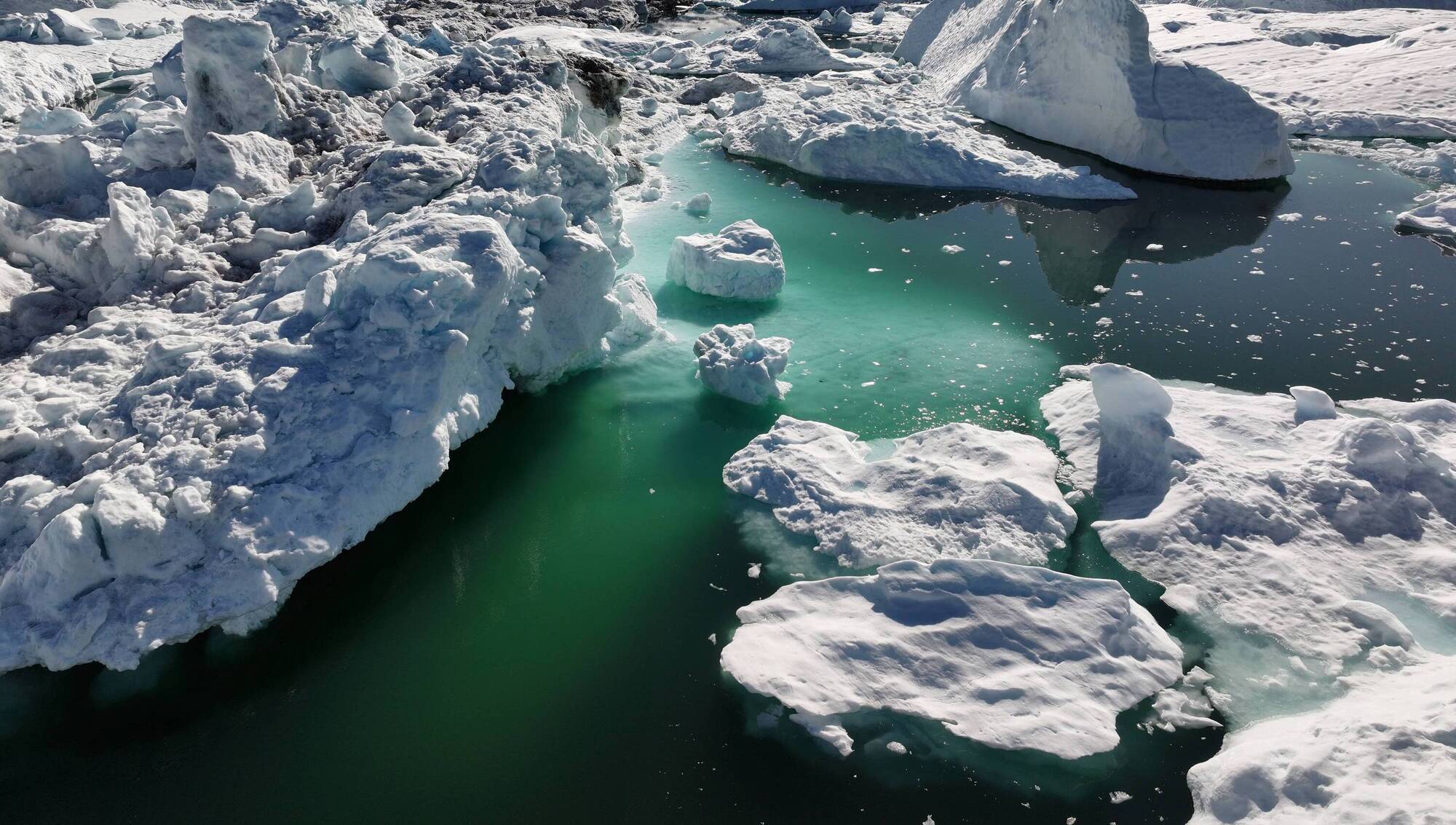
Recent findings indicate that Ireland’s climate stability is at serious risk due to the potential collapse of the Atlantic Meridional Overturning Circulation (AMOC), which could trigger dramatic changes in weather patterns. The Cold Blob, a growing patch of cold water in the North Atlantic, is a direct result of melting glaciers in Greenland and poses a threat to the warm currents that currently moderate Ireland’s climate.
Research shows that since the 1980s, over 1,000 billion tonnes of Greenland ice has melted, with the rate of ice loss increasing sixfold in the past decade. Scientists warn that we may be nearing a tipping point where the AMOC could shut down entirely, with consequences that might be irreversible. Such a scenario could lead to a significant drop in temperatures across Ireland, potentially altering agricultural systems that rely on stable weather.
The implications of an AMOC shutdown are staggering. Experts predict that Ireland could face a sharp cooling, with average temperatures plummeting by several degrees in just 10 to 20 years. This drastic change would jeopardize food production, leading to greater reliance on imports and potentially culling millions of livestock due to insufficient fodder.
Additionally, increased storm activity is likely, as temperature disparities between the tropics and the North Atlantic drive more severe weather patterns. Former NASA director James Hansen warns that “superstorms stronger than any in modern times” could ravage the region, creating a chaotic and perilous environment.
The Icelandic government has already classified the AMOC’s potential collapse as an existential threat and is implementing emergency measures to address this crisis. In contrast, Ireland’s recent strategic document, ‘Future Forty’, only briefly mentions the AMOC collapse in footnotes, raising concerns about the country’s readiness.
As climate conditions worsen, millions of Irish citizens may find themselves forced to migrate to warmer regions, raising pressing questions about immigration policies and the capacity of other nations to absorb climate refugees.
The urgency of these developments cannot be overstated. As Ireland grapples with the implications of climate change and refugee policies, the potential for a future where climate refugees emerge from Ireland itself becomes increasingly real.
What happens next? Increased dialogue among policymakers about climate resilience and migration strategies is essential. As the situation evolves, the need for comprehensive planning and international cooperation will be critical to address the looming threats posed by climate change.
This is a developing story. Stay tuned for updates on Ireland’s climate crisis and its potential impact on the nation’s future.

Discover the Perfect Irish Brussels Sprouts Recipe for Christmas

Exchequer Receives €440M in State Company Dividends Over Two Years

Roy Keane Celebrates Friendship on RTE’s Late Late Toy Show

Study Links High PFAS Exposure to Hormonal Disruption in Women

North West Breast Cancer Ball Raises Funds and Awareness for Vital Care

Enoch Burke’s Controversial Legal Battle Captivates Public Attention

Ancient Irish Instruments Uncovered: A Musical Legacy Revealed

Dingle Players Train Early with Coach James Weldon for Munster Glory

Tribute Concert for Galway Hurling Legend Michael Coleman Set for Dec 12

Tributes Surge for 9-Year-Old Leon Briody After Cancer Battle

Aimee Osbourne Joins Family for Emotional Tribute to Ozzy

Danny Healy-Rae Considers Complaint After Altercation with Garda

Ireland Enjoys Summer Heat as Hurricane Erin Approaches Atlantic

Hawaii Commemorates 80 Years Since Hiroshima Bombing with Ceremony

Newcastle West Woman Patricia Foley Found Safe After Urgent Search

Fianna Fáil TDs Urgently Consider Maire Geoghegan-Quinn for Presidency

Couple Convicted of Murdering Two-Year-Old Grandson in Wales

Gaza Aid Distribution Tragedy: 20 Killed Amid Ongoing Violence
-
 Top Stories3 months ago
Tributes Surge for 9-Year-Old Leon Briody After Cancer Battle
-
 Entertainment4 months ago
Aimee Osbourne Joins Family for Emotional Tribute to Ozzy
-
 Politics4 months ago
Danny Healy-Rae Considers Complaint After Altercation with Garda
-
 Top Stories4 months ago
Ireland Enjoys Summer Heat as Hurricane Erin Approaches Atlantic
-
 World5 months ago
Hawaii Commemorates 80 Years Since Hiroshima Bombing with Ceremony
-
 Top Stories3 months ago
Newcastle West Woman Patricia Foley Found Safe After Urgent Search
-
 Top Stories5 months ago
Fianna Fáil TDs Urgently Consider Maire Geoghegan-Quinn for Presidency
-
 World5 months ago
Couple Convicted of Murdering Two-Year-Old Grandson in Wales
-
 World5 months ago
Gaza Aid Distribution Tragedy: 20 Killed Amid Ongoing Violence
-

 World5 months ago
Aristocrat Constance Marten and Partner Convicted of Infant Murder
-

 Top Stories4 months ago
Climbing Errigal: A Must-Do Summer Adventure in Donegal
-

 Top Stories4 months ago
Hike Donegal’s Errigal Mountain NOW for Unforgettable Summer Views