
World
EU Leaders Stress Peace in Ukraine Must Not Compromise Sovereignty

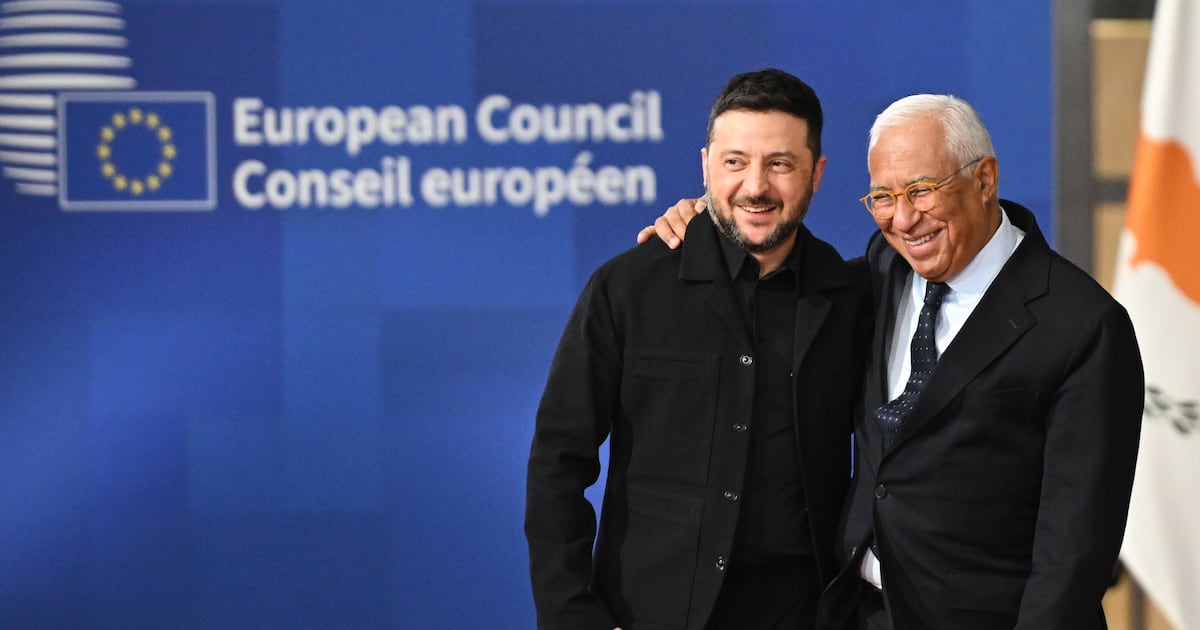
The ongoing conflict in Ukraine has prompted European leaders to emphasize that any peace agreement must not equate to capitulation to Russia. In a recent interview, António Costa, President of the European Council, highlighted the need for a just and lasting resolution to the war while addressing concerns about a potential 28-point peace proposal put forward by US officials.
During a discussion with various European media outlets, Costa stressed the importance of focusing on the overarching goal of peace rather than getting bogged down in preliminary negotiations. “We need to specify that we are talking on November 26, 2025, at 16:45,” he stated, reflecting on the rapidly evolving situation. The proposed plan, which raised alarms in Kyiv and among European allies, included contentious points that could force Ukraine to cede territory to Russia.
Concerns have been mounting regarding the potential for the Biden administration to pressure Ukraine into an unfavorable deal to claim diplomatic success. The proposed points in the US plan have spurred intense diplomatic efforts from Ukraine and its European partners to counter suggestions that undermine Ukrainian sovereignty, particularly regarding territorial concessions.
Costa clarified that the recent proposal should not be viewed as an official US plan. He referenced statements from US Secretary of State Marco Rubio, who characterized it as merely a working document rather than a finalized negotiation strategy. “All efforts, especially from President Trump, to push Russia to the negotiating table are very welcome,” Costa added, reinforcing the need for a coordinated European response.
European leaders maintain that any peace negotiations must involve them directly, as the implications of a truce significantly affect continental security. “What we agreed with the United States is that when it comes to negotiating issues regarding the European Union, they need to talk with the European Union,” Costa noted.
Reflecting on the EU’s strategy, Costa indicated that the bloc’s peace efforts commenced on February 24, 2022, coinciding with the onset of the full-scale invasion by Russia. Throughout the conflict, EU nations have collectively provided substantial military and financial assistance to Ukraine while imposing strict economic sanctions on Russia to disrupt its war financing.
As the conflict drags on, Costa underscored the urgency of finding a resolution. “This war has already lasted too long. It’s time for Russia to stop the aggression,” he stated, emphasizing that “peace cannot mean capitulation” but rather must lead to an effective and enduring resolution.
Looking ahead, the upcoming summit on December 18, 2025, will test Costa’s leadership as EU leaders are expected to finalize plans for continued financial support to Ukraine. European Commission President Ursula von der Leyen has proposed utilizing €180 billion in Russian central bank assets, presently frozen in Europe due to sanctions, as collateral for a loan to aid Ukraine’s military efforts over the next two years.
Despite concerns from the Belgian government regarding potential legal ramifications of using these assets for a “reparations” loan, negotiations are ongoing to secure agreement among EU member states. Costa expressed optimism about resolving the legal and technical issues before the summit, emphasizing the clear political commitment from EU leaders to support Ukraine.
“This is a powerful message,” Costa remarked, urging that Russia should comprehend the EU’s resolve to assist Ukraine despite the conflict’s prolonged nature.
Since assuming office as President of the European Council, Costa has prioritized mending the relationship between the Council and the Commission, which had been strained under his predecessor. He remarked on the improved dynamics, stating, “This is very good for my work, for her work, and for the image of the European Union.”
As Costa prepares for the December summit, he acknowledges that his role is to facilitate decision-making among the leaders of the 27 EU member states. The outcomes of the upcoming discussions will be crucial in shaping the EU’s continued support for Ukraine and addressing the challenges posed by the ongoing conflict.

Irish Stone Lifting Revolution Gains Momentum Amid Covid Recovery

Health Insurers Hike Prices Again; Average Premiums Near €2,000

Health Insurers Hike Prices Again: Average Premiums Soar 8%

Dublin Man Gets 20-Month Suspended Sentence for Money Laundering

Transforming Teen Anxiety: Building Self-Belief Through Experience

Helen Flanagan Dazzles in Red Lingerie Amid Online Criticism

Former Councillor Receives Suspended Sentence for Harassment

New Research Reveals Connection’s Role in Audio Consumption

Neville Critiques Manchester United’s Softness After West Ham Draw

Tributes Surge for 9-Year-Old Leon Briody After Cancer Battle

Aimee Osbourne Joins Family for Emotional Tribute to Ozzy

Danny Healy-Rae Considers Complaint After Altercation with Garda

Ireland Enjoys Summer Heat as Hurricane Erin Approaches Atlantic

Hawaii Commemorates 80 Years Since Hiroshima Bombing with Ceremony

Newcastle West Woman Patricia Foley Found Safe After Urgent Search

Fianna Fáil TDs Urgently Consider Maire Geoghegan-Quinn for Presidency

Couple Convicted of Murdering Two-Year-Old Grandson in Wales

Gaza Aid Distribution Tragedy: 20 Killed Amid Ongoing Violence
-
 Top Stories3 months ago
Tributes Surge for 9-Year-Old Leon Briody After Cancer Battle
-
 Entertainment4 months ago
Aimee Osbourne Joins Family for Emotional Tribute to Ozzy
-
 Politics4 months ago
Danny Healy-Rae Considers Complaint After Altercation with Garda
-
 Top Stories4 months ago
Ireland Enjoys Summer Heat as Hurricane Erin Approaches Atlantic
-
 World5 months ago
Hawaii Commemorates 80 Years Since Hiroshima Bombing with Ceremony
-
 Top Stories3 months ago
Newcastle West Woman Patricia Foley Found Safe After Urgent Search
-
 Top Stories5 months ago
Fianna Fáil TDs Urgently Consider Maire Geoghegan-Quinn for Presidency
-
 World5 months ago
Couple Convicted of Murdering Two-Year-Old Grandson in Wales
-
 World5 months ago
Gaza Aid Distribution Tragedy: 20 Killed Amid Ongoing Violence
-

 World5 months ago
Aristocrat Constance Marten and Partner Convicted of Infant Murder
-

 Top Stories4 months ago
Climbing Errigal: A Must-Do Summer Adventure in Donegal
-

 Top Stories4 months ago
Hike Donegal’s Errigal Mountain NOW for Unforgettable Summer Views