
World
Modi Hosts Putin in Delhi to Strengthen Bilateral Ties

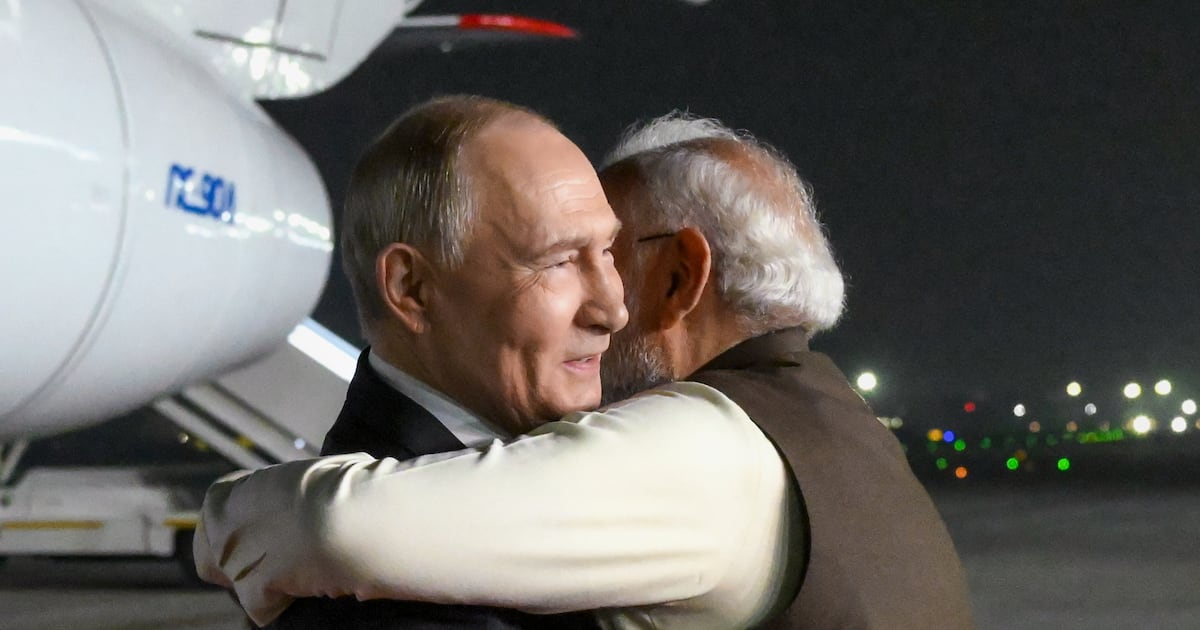
During a significant two-day visit, Indian Prime Minister Narendra Modi warmly welcomed Russian President Vladimir Putin in New Delhi. This meeting underscored India’s commitment to securing vital oil and defense interests while asserting its independent foreign policy amid increasing scrutiny from Western nations, particularly the United States.
Strengthening Economic and Defense Cooperation
The visit allowed both leaders to reinforce their partnership, which has been under pressure due to the ongoing conflict in Ukraine. For India, aligning with Russia serves as a strategic advantage in balancing relations with the West. The two nations are navigating this delicate situation by emphasizing their mutual interests, particularly in defense and energy.
Modi’s reception of Putin was particularly noteworthy. By personally greeting him at the airport, Modi signaled to Western powers that India remains steadfast in its partnership with Moscow. This gesture broke with diplomatic protocol, reflecting India’s determination to maintain strategic autonomy. Analysts suggest that the summit aimed to counteract U.S. tariffs imposed on Indian imports linked to oil purchases from Russia.
Despite recent reductions in Russian crude imports to align with U.S. expectations, Modi’s actions indicate a resistance to external pressures regarding India’s relations with Russia. A senior Western diplomat in Delhi noted, “By engaging Putin so prominently, India was also sending an overt message of defiance.”
Key Defense Agreements and Future Prospects
The defense relationship between India and Russia has been a cornerstone of their bilateral ties for over six decades. Approximately 65 percent of India’s military hardware originates from Russia, underscoring its importance. Discussions between the defense ministers focused on India’s acquisition of an additional five S-400 air defense systems and replacement missiles that were used during the four-day conflict with Pakistan in May.
Reports indicate that India is also exploring the procurement of Sukhoi-57 fifth-generation fighter jets, upgrades for its existing Sukhoi-30 fleet, and the leasing of further nuclear-powered attack submarines. India aims to enhance its cruise missile technology, particularly the BrahMos, which is jointly developed with Russia, and further cooperation on sensitive military projects.
For Putin, this visit to India—his first in four years—was an opportunity to reaffirm Russia’s global standing and seek economic partnerships. It reflects Russia’s strategy to extend its influence in Asia despite Western sanctions and diplomatic isolation. Both nations are working to enhance cooperation in sectors beyond arms and energy, including infrastructure investment and attracting Indian workers to fill labor shortages in Russia.
Overall, this meeting between Modi and Putin highlights a mutual commitment to navigate international pressures while safeguarding national interests. For India, it is about ensuring critical military and energy supplies, while for Russia, it is a chance to secure reliable partnerships and economic lifelines amidst global challenges.

Donegal Eateries Win Prestigious Food Awards—Winners Announced!

Urgent Recall: Children’s Tableware Labeled Microwavable Unsafe

Flu Cases Surge in Ireland: Nine Dead and Hundreds Hospitalised

Eleanor McEvoy Reflects on Christmas Joy After Daughter’s Birth

Researchers Explore the Black Stork’s Possible Irish Origins

WPP Media Study Uncovers Challenges in Irish Language Advertising

FIFA Unveils Groups for 2026 World Cup in Washington Ceremony

Modi Hosts Putin in Delhi to Strengthen Bilateral Ties

Woodberry Grill at Arena7 Reopens for Christmas Lunches Dec 8!

Tributes Surge for 9-Year-Old Leon Briody After Cancer Battle

Aimee Osbourne Joins Family for Emotional Tribute to Ozzy

Danny Healy-Rae Considers Complaint After Altercation with Garda

Ireland Enjoys Summer Heat as Hurricane Erin Approaches Atlantic

Hawaii Commemorates 80 Years Since Hiroshima Bombing with Ceremony

Newcastle West Woman Patricia Foley Found Safe After Urgent Search

Fianna Fáil TDs Urgently Consider Maire Geoghegan-Quinn for Presidency

Couple Convicted of Murdering Two-Year-Old Grandson in Wales

Gaza Aid Distribution Tragedy: 20 Killed Amid Ongoing Violence
-
 Top Stories3 months ago
Tributes Surge for 9-Year-Old Leon Briody After Cancer Battle
-
 Entertainment4 months ago
Aimee Osbourne Joins Family for Emotional Tribute to Ozzy
-
 Politics4 months ago
Danny Healy-Rae Considers Complaint After Altercation with Garda
-
 Top Stories4 months ago
Ireland Enjoys Summer Heat as Hurricane Erin Approaches Atlantic
-
 World5 months ago
Hawaii Commemorates 80 Years Since Hiroshima Bombing with Ceremony
-
 Top Stories3 months ago
Newcastle West Woman Patricia Foley Found Safe After Urgent Search
-
 Top Stories5 months ago
Fianna Fáil TDs Urgently Consider Maire Geoghegan-Quinn for Presidency
-
 World5 months ago
Couple Convicted of Murdering Two-Year-Old Grandson in Wales
-
 World5 months ago
Gaza Aid Distribution Tragedy: 20 Killed Amid Ongoing Violence
-

 World5 months ago
Aristocrat Constance Marten and Partner Convicted of Infant Murder
-
 Top Stories4 months ago
Climbing Errigal: A Must-Do Summer Adventure in Donegal
-
 Top Stories4 months ago
Hike Donegal’s Errigal Mountain NOW for Unforgettable Summer Views