
World
Thailand Strikes Cambodian Military Amid Escalating Border Tensions

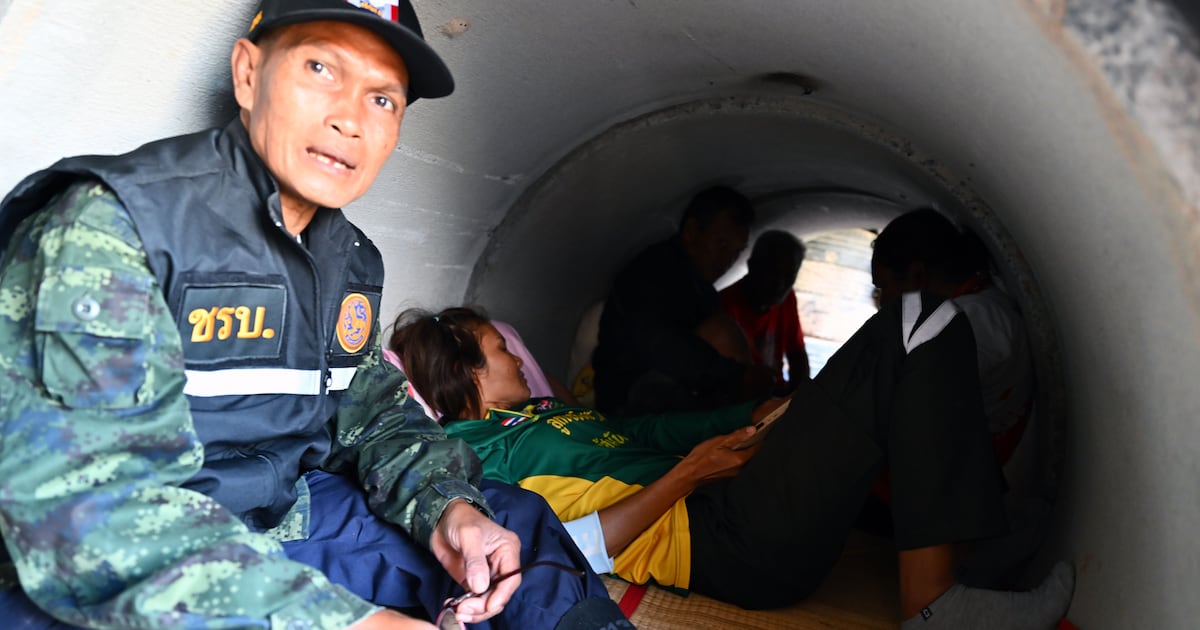
Thailand launched air strikes on Cambodian military positions on Monday, escalating tensions along the border following a deadly skirmish. The Thai military reported that these actions, which included both ground operations and F-16 air strikes, were a response to Cambodian forces opening fire at various locations, resulting in the deaths of at least two Thai soldiers and injuries to eight others.
Both nations have accused each other of initiating cross-border fire, reviving a longstanding conflict that has intermittently flared for decades. In a briefing, army spokesperson Winthai Suvaree stated, “Thailand was left with no choice but to act in self-defence after observing continued Cambodian attacks against Thai forces.” He further claimed that Cambodia has a history of violating ceasefire agreements.
In response, the Cambodian defence ministry issued a statement asserting that it did not retaliate to the strikes. This latest military engagement jeopardizes a peace accord brokered by the United States and Malaysia, as well as the ongoing trade negotiations between the US and Thailand, which are crucial for Thai Prime Minister Anutin Charnvirakul ahead of upcoming elections.
Intelligence reports indicated that Cambodian forces had deployed additional troops and long-range weapons, which posed a threat to a Thai commercial airport and nearby civilian areas, including a hospital. Thailand has accused Cambodia of targeting non-military zones close to the border, a claim that the Cambodian government has denied. Furthermore, the Cambodian minister of information described Thailand’s military actions as “provocative” and accused them of disseminating false information.
The Thai air force confirmed that all missions were conducted in accordance with security protocols and international law, emphasizing a commitment to civilian safety. Mr. Anutin convened a meeting with security agencies to discuss the escalating situation along the border.
Tensions between Thailand and Cambodia intensified in July 2023, culminating in five days of military confrontations that resulted in nearly four dozen fatalities and the displacement of over 300,000 people. Following these clashes, a ceasefire agreement was reached in early July, and a peace accord was signed in October 2023 during a ceremony attended by Donald Trump. This agreement also included provisions for deploying observers from the Association of Southeast Asian Nations (ASEAN) to monitor the ceasefire.
Despite the peace accord, Mr. Anutin suspended the agreement last month after a fatal shooting incident, emphasizing the need to prioritize national interests and the safety of Thai citizens over the implications for US trade negotiations. In a televised address, he stated, “The government stands ready to take whatever measures necessary to protect our security, our border integrity, and the safety of our people.”
As the situation develops, the international community watches closely, given the potential implications for regional stability and US diplomatic efforts in Southeast Asia. The ASEAN secretariat has not yet responded to requests for comment regarding the current escalation in hostilities.

Urgent: Glenamaddy Ulster Bank Accommodation Plans REJECTED

Urgent Appeal for Witnesses After Cyclist Strikes Pedestrian in Fermanagh

Lando Norris Crowned F1 World Champion After Thrilling Race

Thailand Strikes Cambodian Military Amid Escalating Border Tensions

Drones Threaten Security During Zelenskiy’s Visit to Ireland

Wrightbus Welcomes New CEO Axel J. Maschka to Lead Expansion

Paudie Moloney Joins 2026 Dancing with the Stars Line-Up

€4.6 Million Funding for Engineering Apprenticeships at Donegal ATU

Urgent: Status Yellow Wind Alert Issued for All of Ireland Tomorrow

Tributes Surge for 9-Year-Old Leon Briody After Cancer Battle

Aimee Osbourne Joins Family for Emotional Tribute to Ozzy

Danny Healy-Rae Considers Complaint After Altercation with Garda

Ireland Enjoys Summer Heat as Hurricane Erin Approaches Atlantic

Hawaii Commemorates 80 Years Since Hiroshima Bombing with Ceremony

Newcastle West Woman Patricia Foley Found Safe After Urgent Search

Fianna Fáil TDs Urgently Consider Maire Geoghegan-Quinn for Presidency

Couple Convicted of Murdering Two-Year-Old Grandson in Wales

Gaza Aid Distribution Tragedy: 20 Killed Amid Ongoing Violence
-
 Top Stories3 months ago
Tributes Surge for 9-Year-Old Leon Briody After Cancer Battle
-
 Entertainment4 months ago
Aimee Osbourne Joins Family for Emotional Tribute to Ozzy
-
 Politics4 months ago
Danny Healy-Rae Considers Complaint After Altercation with Garda
-
 Top Stories4 months ago
Ireland Enjoys Summer Heat as Hurricane Erin Approaches Atlantic
-
 World5 months ago
Hawaii Commemorates 80 Years Since Hiroshima Bombing with Ceremony
-
 Top Stories3 months ago
Newcastle West Woman Patricia Foley Found Safe After Urgent Search
-
 Top Stories5 months ago
Fianna Fáil TDs Urgently Consider Maire Geoghegan-Quinn for Presidency
-
 World5 months ago
Couple Convicted of Murdering Two-Year-Old Grandson in Wales
-
 World5 months ago
Gaza Aid Distribution Tragedy: 20 Killed Amid Ongoing Violence
-

 World5 months ago
Aristocrat Constance Marten and Partner Convicted of Infant Murder
-

 Top Stories4 months ago
Climbing Errigal: A Must-Do Summer Adventure in Donegal
-

 Top Stories4 months ago
Hike Donegal’s Errigal Mountain NOW for Unforgettable Summer Views