
World
UK Inquiry Reveals Earlier Lockdown Could Have Saved 23,000 Lives

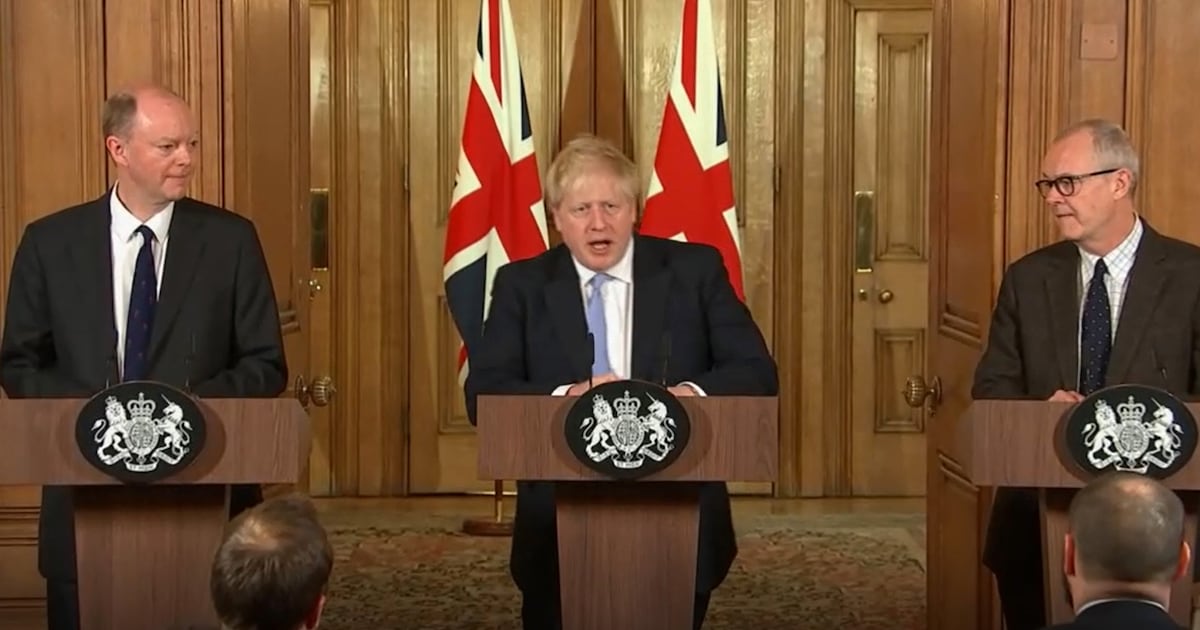
The UK Covid-19 inquiry has concluded that the government’s response to the pandemic in March 2020 was “too little, too late.” The findings suggest that an earlier lockdown could have potentially saved **23,000 lives** during the first wave of the virus in England. This report underscores the significant impact of timing in public health decisions, particularly in the early stages of the outbreak.
According to the inquiry, which has examined **2 million documents** and conducted public hearings over **69 days**, the total number of Covid-19 related deaths in the UK has reached approximately **230,000**. Of these, **30,000** occurred during the later Omicron wave, despite a substantial portion of the population being vaccinated by that time.
The inquiry revealed that in early 2020, UK government advisers estimated that up to **80%** of the population would contract the virus if the government pursued its then-active strategy of “herd immunity.” This approach was ultimately abandoned as the severity of the pandemic became clear. A full lockdown, as recommended by some experts, was not implemented until a week later than it could have been, resulting in thousands of avoidable deaths.
The inquiry also highlighted the political dynamics affecting the government’s response. A notable incident occurred when press conferences featuring politicians **Michelle O’Neill** and **Arlene Foster** were suspended for **10 weeks** due to a controversy regarding O’Neill’s attendance at an IRA funeral. This period of suspended communication hindered the public’s access to essential information during a critical time.
The report consists of **756 pages** across two volumes, detailing the inquiry’s findings, which include testimony from **166 witnesses** and involvement from **53 core participants**, including key politicians and their advisers. The current political module is the second of **10** modules planned for this inquiry.
The timeline of the inquiry traces back to **January 25, 2020**, when a coach carrying tourists from Wuhan, the epicenter of the virus outbreak, crossed into the Republic of Ireland. Notably, one individual on that coach displayed symptoms upon entering the country, marking one of the earliest known instances of the virus’s presence in the UK.
The UK Covid-19 inquiry aims to provide clarity and accountability regarding the government’s handling of the pandemic. As the investigation continues, it seeks to inform future public health strategies and ensure that lessons learned from this crisis lead to better preparedness for future health emergencies.

Irish Stone Lifting Revolution Gains Momentum Amid Covid Recovery

Health Insurers Hike Prices Again; Average Premiums Near €2,000

Health Insurers Hike Prices Again: Average Premiums Soar 8%

Dublin Man Gets 20-Month Suspended Sentence for Money Laundering

Transforming Teen Anxiety: Building Self-Belief Through Experience

Helen Flanagan Dazzles in Red Lingerie Amid Online Criticism

Former Councillor Receives Suspended Sentence for Harassment

New Research Reveals Connection’s Role in Audio Consumption

Neville Critiques Manchester United’s Softness After West Ham Draw

Tributes Surge for 9-Year-Old Leon Briody After Cancer Battle

Aimee Osbourne Joins Family for Emotional Tribute to Ozzy

Danny Healy-Rae Considers Complaint After Altercation with Garda

Ireland Enjoys Summer Heat as Hurricane Erin Approaches Atlantic

Hawaii Commemorates 80 Years Since Hiroshima Bombing with Ceremony

Newcastle West Woman Patricia Foley Found Safe After Urgent Search

Fianna Fáil TDs Urgently Consider Maire Geoghegan-Quinn for Presidency

Couple Convicted of Murdering Two-Year-Old Grandson in Wales

Gaza Aid Distribution Tragedy: 20 Killed Amid Ongoing Violence
-
 Top Stories3 months ago
Tributes Surge for 9-Year-Old Leon Briody After Cancer Battle
-
 Entertainment4 months ago
Aimee Osbourne Joins Family for Emotional Tribute to Ozzy
-
 Politics4 months ago
Danny Healy-Rae Considers Complaint After Altercation with Garda
-
 Top Stories4 months ago
Ireland Enjoys Summer Heat as Hurricane Erin Approaches Atlantic
-
 World5 months ago
Hawaii Commemorates 80 Years Since Hiroshima Bombing with Ceremony
-
 Top Stories3 months ago
Newcastle West Woman Patricia Foley Found Safe After Urgent Search
-
 Top Stories5 months ago
Fianna Fáil TDs Urgently Consider Maire Geoghegan-Quinn for Presidency
-
 World5 months ago
Couple Convicted of Murdering Two-Year-Old Grandson in Wales
-
 World5 months ago
Gaza Aid Distribution Tragedy: 20 Killed Amid Ongoing Violence
-

 World5 months ago
Aristocrat Constance Marten and Partner Convicted of Infant Murder
-

 Top Stories4 months ago
Climbing Errigal: A Must-Do Summer Adventure in Donegal
-

 Top Stories4 months ago
Hike Donegal’s Errigal Mountain NOW for Unforgettable Summer Views