
World
Zelenskyy Faces Tough Decision as Trump Pushes Peace Deal

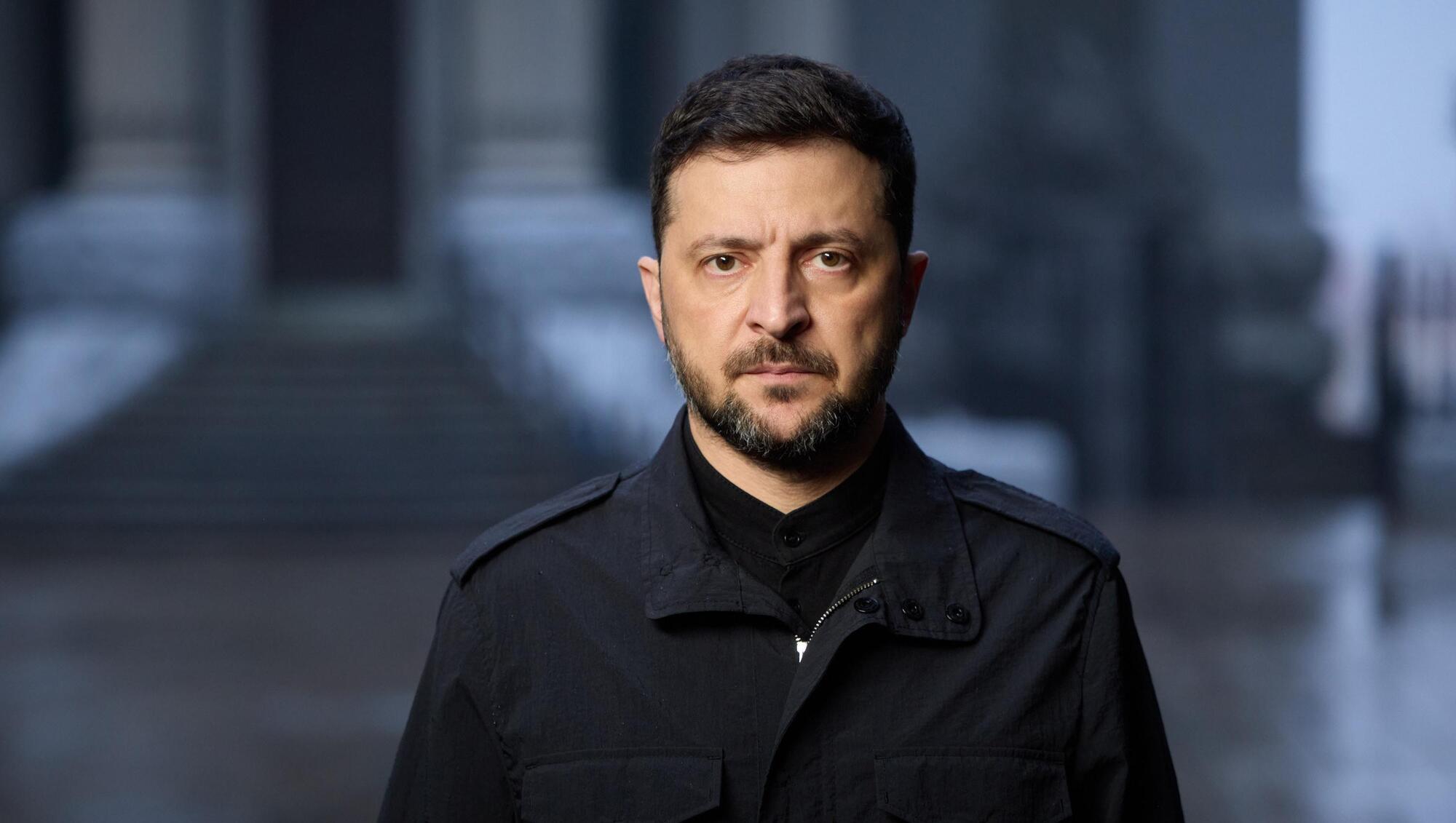
Volodymyr Zelenskyy has described Ukraine’s situation as one of the most challenging moments in its history. His remarks follow a demand from former US President Donald Trump for Kyiv to accept a controversial “peace plan” that would require Ukraine to cede territory to Russia and make significant concessions. Trump announced that he expects Zelenskyy to sign the deal by November 23, 2023, coinciding with Thanksgiving in the United States, which many European and Ukrainian officials have condemned as tantamount to a “capitulation.”
In a grave 10-minute address outside his presidential palace, Zelenskyy expressed the dilemma facing Ukraine: maintain national dignity or risk losing a crucial ally in the US, which appears determined to resolve the conflict on Moscow’s terms. The pressure on Ukraine has intensified, with Zelenskyy stating, “Now the pressure on Ukraine is one of the heaviest.” The options before Ukraine are stark: accept Trump’s 28-point proposal or endure an “extremely difficult winter” as millions face energy shortages due to the destruction of infrastructure by Russian forces.
Zelenskyy warned that agreeing to the US-Russian plan could result in a loss of “freedom, dignity and justice.” He emphasized the danger of trusting a nation that has already attacked Ukraine twice, vowing never to compromise the country’s interests or constitution. “We did not betray Ukraine then [in 2022], and we will not do so now,” he declared.
Trump, speaking on Fox radio, asserted that the upcoming Thursday was an “appropriate time” for Zelenskyy to formalize the agreement. He claimed that Ukraine could not prevent Russia from taking control of the Donbas region by military force. US officials indicate that Trump is pursuing an “aggressive timeline” to end the conflict and is prepared to exert unprecedented pressure on Kyiv, including threats to withdraw vital intelligence sharing and military support if Ukraine does not comply.
European leaders have voiced their opposition to the proposal. The 28-point plan calls for Ukraine to relinquish control of the eastern Donbas region, limit its military capabilities, and forgo joining NATO, while excluding European peacekeepers from the situation. Following a phone conversation with US Vice President JD Vance, who has previously advocated for a swift resolution with Russia, Zelenskyy provided a cautious update on the discussions, stating that both sides had explored many details of the proposed peace plan.
In a show of solidarity, leaders from Western countries, including French President Emmanuel Macron, German Chancellor Friedrich Merz, and UK opposition leader Keir Starmer, reached out to Zelenskyy to reaffirm their support for Ukraine. They emphasized that any agreement must be fair and respect Ukraine’s boundaries. Contrary to Trump’s proposal, they argued that the current line of contact should serve as the starting point for any territorial negotiations.
The EU’s foreign policy chief, Kaja Kallas, warned that a peace deal rewarding aggression would set a perilous global precedent, stating, “If you just give in to the aggression, then you invite more aggression.” Zelenskyy paid tribute to the resilience of Ukrainians enduring nearly four years of invasion, hinting at the potential need for compromises while acknowledging the overwhelming desire among citizens for the war to conclude.
He expressed a commitment to working constructively with Washington on the US plan, proposing alternative measures to safeguard Ukraine’s national interests. The peace proposal was crafted by Russian envoy Kirill Dmitriev and Trump’s special representative Steve Witkoff during a meeting in Miami, with Ukraine and Europe excluded from the discussions. Zelenskyy underscored his intention to ensure that Ukraine’s sovereignty is preserved.
Despite the ongoing diplomatic efforts, the reaction from Ukrainian civil society has largely been negative, with many viewing the plan as unfair and akin to surrender. The sentiment is compounded by a recent corruption scandal involving Zelenskyy’s former business partner and members of his cabinet, adding to the pressure on his administration.
Critics, including experts from the Brookings Institution, have labeled the proposal’s drafting as “appalling,” arguing that its acceptance would position Russia as the dominant power in Europe. As Zelenskyy navigates this complex situation, he faces the daunting task of balancing national interests against the backdrop of international pressures and the dire realities of ongoing conflict.

Irish Stone Lifting Revolution Gains Momentum Amid Covid Recovery

Health Insurers Hike Prices Again; Average Premiums Near €2,000

Health Insurers Hike Prices Again: Average Premiums Soar 8%

Dublin Man Gets 20-Month Suspended Sentence for Money Laundering

Transforming Teen Anxiety: Building Self-Belief Through Experience

Helen Flanagan Dazzles in Red Lingerie Amid Online Criticism

Former Councillor Receives Suspended Sentence for Harassment

New Research Reveals Connection’s Role in Audio Consumption

Neville Critiques Manchester United’s Softness After West Ham Draw

Tributes Surge for 9-Year-Old Leon Briody After Cancer Battle

Aimee Osbourne Joins Family for Emotional Tribute to Ozzy

Danny Healy-Rae Considers Complaint After Altercation with Garda

Ireland Enjoys Summer Heat as Hurricane Erin Approaches Atlantic

Hawaii Commemorates 80 Years Since Hiroshima Bombing with Ceremony

Newcastle West Woman Patricia Foley Found Safe After Urgent Search

Fianna Fáil TDs Urgently Consider Maire Geoghegan-Quinn for Presidency

Couple Convicted of Murdering Two-Year-Old Grandson in Wales

Gaza Aid Distribution Tragedy: 20 Killed Amid Ongoing Violence
-
 Top Stories3 months ago
Tributes Surge for 9-Year-Old Leon Briody After Cancer Battle
-
 Entertainment4 months ago
Aimee Osbourne Joins Family for Emotional Tribute to Ozzy
-
 Politics4 months ago
Danny Healy-Rae Considers Complaint After Altercation with Garda
-
 Top Stories4 months ago
Ireland Enjoys Summer Heat as Hurricane Erin Approaches Atlantic
-
 World5 months ago
Hawaii Commemorates 80 Years Since Hiroshima Bombing with Ceremony
-
 Top Stories3 months ago
Newcastle West Woman Patricia Foley Found Safe After Urgent Search
-
 Top Stories5 months ago
Fianna Fáil TDs Urgently Consider Maire Geoghegan-Quinn for Presidency
-
 World5 months ago
Couple Convicted of Murdering Two-Year-Old Grandson in Wales
-
 World5 months ago
Gaza Aid Distribution Tragedy: 20 Killed Amid Ongoing Violence
-

 World5 months ago
Aristocrat Constance Marten and Partner Convicted of Infant Murder
-

 Top Stories4 months ago
Climbing Errigal: A Must-Do Summer Adventure in Donegal
-

 Top Stories4 months ago
Hike Donegal’s Errigal Mountain NOW for Unforgettable Summer Views